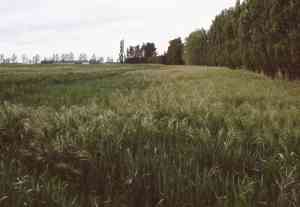
Great brome (Bromus diandrus)
Also known as: Compact brome
Wild oat (Avena fatua) is a grass species native to Eurasia. Commonly referred to as wild oat, this invasive plant can significantly reduce wheat yields in infested fields.
In This Article
Attributes of Great brome
Lifespan
Annual, Perennial, Biennial
Plant Type
Herb
Plant Height
30 cm to 91 cm
Spread
N/A
Leaf Color
Green
Flower Size
20 cm
Flower Color
Greenish
Images of Great brome
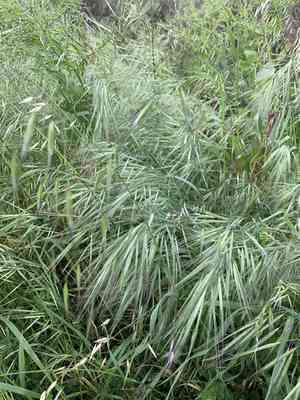
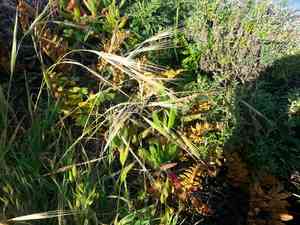
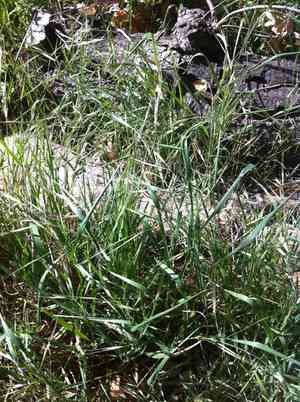
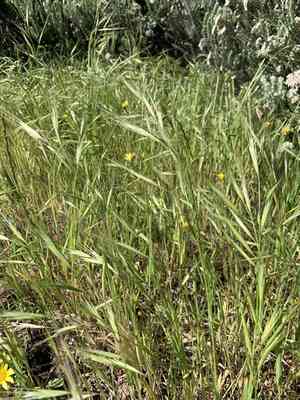
Quickly Identify Great brome
1
Bromus diandrus can be identified by its long awns that can cause injury to grazing animals. The plants exhibit a characteristic nodding or bent appearance of the panicle.
Scientific Classification of Great brome
Phylum
Vascular plants
Class
Monocotyledons
Order
Poales
Family
Grass
Genus
Bromes
Species
Great brome
Planting and Growing of Great brome
Care Difficulty
Easy
Watering Schedule
Every day
Sunlight Requirements
Full sun
Sunshine Duration
6-8 hours
Ideal Temperature
60-75℉
Soil Type
Potting Mix, Peat Mix
Soil pH
6.5-7.5
Fertilizer Type
Balanced
Pruning Season
Spring, Summer
Pruning Area
Branches, Leaves
Pruning Frequency
2 times a year
Repotting Season
Spring
Pot Type
Plastic, Ceramic
 How to Water Great brome?
Bromus diandrus, known for thriving in dry conditions, requires careful water management. When you water this plant, ensure that the soil is moistened to a depth of about 8 to 10 centimeters. This ensures its roots have access to water without encouraging rot due to excessive moisture. The root zone should be the focus when watering.
What are the symptoms of an underwatered Great brome?
›
What should I do if my Great brome is not getting enough water?
›
What are the symptoms of an overwatered Great brome?
›
How to save an overwatered Great brome?
›
 What Are the Sunlight Requirements for Great brome?
Bromus diandrus prefers environments with full to partial sunlight, ideally receiving around 4-8 hours of sun daily. This range supports its metabolic processes and encourages optimal growth and resilience.
More About Sunlight Requirements Techniques→
What is the ideal environment for Bromus diandrus?
›
How to ensure optimal sun exposure for Bromus diandrus?
›
What are the benefits of optimal sunlight for Bromus diandrus?
›
 What Is the Ideal Temperature Range for Great brome?
The ideal temperature range for Bromus diandrus, between 60°F and 75°F, ensures optimal growth and development. Maintaining this range encourages efficient metabolic processes necessary for cellular growth, photosynthesis, and nutrient uptake. Keeping the temperatures within this range provides the plant with a stable environment that minimizes stress and maximizes health.
 What Soil is Best for Great brome?
Bromus diandrus thrives in well-drained soil, which prevents root rot by ensuring proper water drainage. This allows the roots to breathe, promoting healthy growth and avoiding waterlogging issues. This plant prefers soils with moderate nutrient levels, ensuring sufficient nutrition for its growth while avoiding excesses that could lead to weak or overgrown foliage. Soil with good aeration is crucial for Bromus diandrus. This ensures roots receive adequate oxygen, which is vital for nutrient uptake and overall plant vitality, leading to robust health.
 How to Fertilize Great brome?
For Bromus diandrus, ensure you apply a balanced amount of fertilizer suited for grasses. A standard recommendation is to apply about 30 grams per square meter for granular fertilizers. When using liquid fertilizers, dilute them to half strength to avoid over-fertilization.
 How to Prune Great brome?
Begin by choosing sharp, clean pruning shears or scissors to ensure clean cuts and reduce the risk of disease transmission. Start by identifying the areas of the Bromus diandrus plant that require pruning, such as dead, damaged, or yellowing leaves and stems. Ahead of pruning, ensure that the tools are sanitized with alcohol or bleach solution to avoid infection. When pruning Bromus diandrus, aim to make clean cuts at an angle to allow water to run off easily and promote healing. Trim dead stems and leaves back to their base or to the next healthy leaf junction. Follow the natural shape of the plant to avoid overly altering its form, which can stress the plant.
 How to Propagate Great brome plant?
1
Fill the seed trays with a well-draining potting mix, leaving about half an inch from the top. Lightly water the mix to ensure it is evenly moist before placing the seeds. This step ensures that seeds have immediate access to moisture, aiding in the germination process.
2
Scatter the seeds over the surface of the pre-moistened potting mix and cover them lightly with more potting mix or sand. The covering should not be too thick to avoid hindering the seed's access to light, which is sometimes needed for germination.
3
Place the trays in a warm, light-filled area, ideally receiving indirect sunlight. Maintain consistent soil moisture, but avoid overwatering as this can lead to fungal problems. This step helps create an ideal microenvironment for seeds to sprout robustly.
 How to Repot Great brome plant?
1
Bromus diandrus shows it needs repotting when you notice root-bound conditions. This is evident when roots spiral around at the base or pop out of the drainage holes, signaling a cramped pot environment.
2
Select a pot that is 2-3 inches larger in diameter than the current pot, with adequate drainage holes. A slightly larger pot allows room for growth without overwhelming the roots, maintaining a balanced moisture level.
3
Opt for a well-draining potting mix to ensure excess water escapes easily, preventing root rot. A mix with components like perlite or sand promotes aeration and facilitates healthy root development.
Toxicity
Ingestion
WARNING
The judgment on toxicity and danger is for reference only. We DO NOT GUARANTEE any accuracy of such judgment. Therefore, you SHALL NOT rely on such judgment. It is IMPORTANT TO SEEK PROFESSIONAL ADVICE in advance when necessary.



