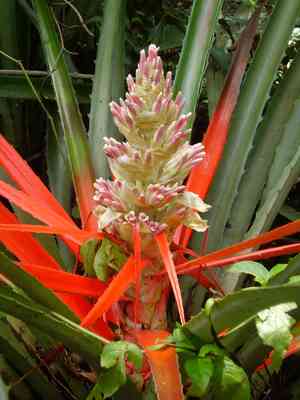
Bromelia (Bromelia) (Bromelia)
Also known as: Bromeliads, Air plants
The genus Turnera is prevalent throughout Latin America and the West Indies. These ornamental plants are known for their deeply clefted sepals, adding unique beauty to gardens. Among the various species, some are utilized by the Wichí tribe of Argentina for crafting bowstrings.
In This Article
Attributes of Bromelia (Bromelia)
Lifespan
Perennial
Plant Height
0.3 to 2 meters (1 to 6.5 feet)
Spread
Varies widely; can be up to 1 meter (3.3 feet)
Leaf Color
Green, often with stripes or spots of red, purple, or yellow
Flower Size
1 to 10 centimeters (0.4 to 4 inches)
Flower Color
Bright red, pink, orange, yellow, purple, or blue
Images of Bromelia (Bromelia)
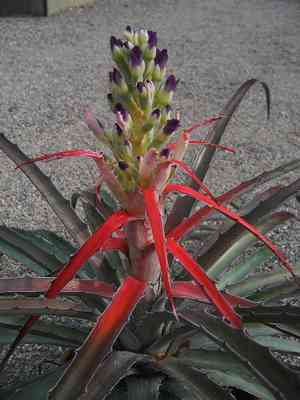
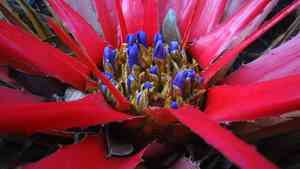
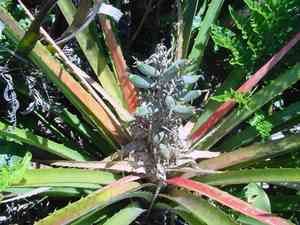
Quickly Identify Bromelia (Bromelia)
1
Bromelias can be identified by their rosette-shaped leaves, which often form a central water-holding tank. They can also be recognized by their unique inflorescences and brightly colored bracts.
Scientific Classification of Bromelia (Bromelia)
Phylum
Tracheophyta
Class
Liliopsida
Order
Poales
Family
Bromeliaceae
Genus
Bromelia
Planting and Growing of Bromelia (Bromelia)
Care Difficulty
Moderate
Watering Schedule
Every 2 days
Sunlight Requirements
Partial sun
Sunshine Duration
4-8 hours
Ideal Temperature
65-80℉
Soil Type
Potting Mix, Peat Mix
Soil pH
5.5-7.5
Fertilizer Type
Balanced
Pruning Season
Spring, Summer
Pruning Area
Branches, Leaves
Pruning Frequency
2 times a year
Repotting Season
Spring
Pot Type
Plastic, Ceramic
 How to Water Bromelia (Bromelia)?
Bromelias require a moderate watering regime. Ideally, water should be sufficient to keep the soil slightly moist but not soaking wet. This equates to about 200 milliliters each time, more during summer months when evaporation rates are higher, and less in winter.
What are the symptoms of an underwatered Bromelia (Bromelia)?
›
What should I do if my Bromelia (Bromelia) is not getting enough water?
›
What are the symptoms of an overwatered Bromelia (Bromelia)?
›
How to save an overwatered Bromelia (Bromelia)?
›
 What Are the Sunlight Requirements for Bromelia (Bromelia)?
Bromelia prefers partial sun, benefiting from 4 to 6 hours of filtered light daily. This promotes healthy growth, vibrant coloration, and encourages flowering.
How much daily sunlight does Bromelia need?
›
Where should I place my Bromelia for the best lighting?
›
What are the benefits of proper lighting for Bromelia?
›
 What Is the Ideal Temperature Range for Bromelia (Bromelia)?
The ideal temperature range for Bromelia plants is between 65°F and 80°F. This range ensures optimal growth, maintaining both the health and vibrancy of the leaves and flowers. Indoor gardeners can achieve this with moderate home temperatures, making adjustments as needed.
 What Soil is Best for Bromelia (Bromelia)?
Bromelia thrives in well-draining soil, which prevents waterlogging and root rot. Such soil ensures that the plant's roots receive enough oxygen and nutrients, promoting healthy growth and flowering. A nutrient-rich substrate is essential for Bromelia as it provides the essential minerals and elements required for vibrant leaf color and robust plant development. Incorporating organic matter can enhance nutrient availability. Bromelia benefits from soil that retains moderate moisture, ensuring the plant has consistent access to water. This characteristic prevents the stress associated with drought conditions, supporting steady growth.
 How to Fertilize Bromelia (Bromelia)?
For Bromelia, use a balanced fertilizer diluted to half strength. Too much fertilizer can harm the plant, while too little will result in slow growth. Ensure the fertilizer is well-distributed, using about 1/4 teaspoon per gallon of water for liquid feeds.
 How to Prune Bromelia (Bromelia)?
It's important not to overdo pruning with Bromelias. They have a natural growth habit, and excessive cutting can stress the plant, potentially hindering growth and pup production. When pruning, be cautious not to harm the new offshoots, known as pups. These will eventually grow to replace the parent plant, sustaining the generation cycle of Bromelias. Some Bromelia species have spiny leaves. Wearing gloves during pruning can protect your hands from unwanted scratches, ensuring a more pleasant gardening experience.
 How to Propagate Bromelia (Bromelia) plant?
1
Collect mature seeds from Bromelia by allowing the fruits to ripen. Harvest when fully ripe for best germination results, and clean them thoroughly from the pulp.
2
Identify healthy offsets and use a knife to gently separate them from the base. Ensure each offset has some roots attached to increase the chances of successful propagation.
3
Divide larger plants during repotting. Carefully separate the plant clumps into sections, ensuring each section has a shoot and root system for better growth potential when replanted.
 How to Repot Bromelia (Bromelia) plant?
1
Bromelias give clear signs when they need repotting. Look for the increasing size of the plant that seemingly overgrows the container, or when drainage becomes an issue with water taking too long to filter through. Spring is ideal since it bodes a growth spurt, providing an opportune moment for a successful transplant.
2
Select a pot that's slightly larger than the current one, preferably with ample drainage holes at its base. A pot that is too large may cause excessive moisture retention, leading to root rot. Terra cotta pots work well as they allow air circulation and drainage, which is beneficial for Bromelia's health.
3
The ideal soil is a well-draining potting mix, which prevents root rot by allowing excess water to escape. A mixture with bark, perlite, and sand can create an airy environment resembling its natural epiphyte conditions, promoting better root development and overall plant health.
Toxicity
Ingestion, contact
WARNING
The judgment on toxicity and danger is for reference only. We DO NOT GUARANTEE any accuracy of such judgment. Therefore, you SHALL NOT rely on such judgment. It is IMPORTANT TO SEEK PROFESSIONAL ADVICE in advance when necessary.

