Brighamia (Brighamia) (Brighamia)
Also known as: Hawaiian palm, Cabbage on a stick
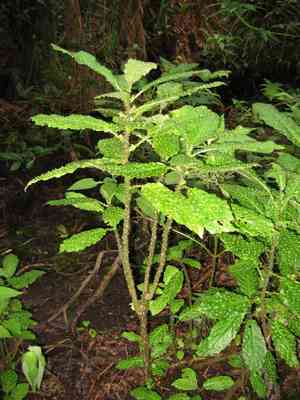
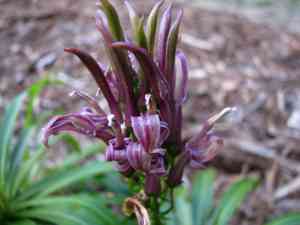
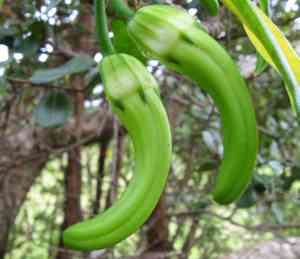
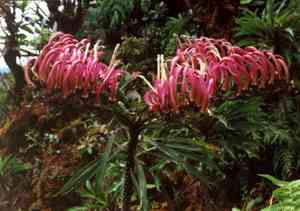
Brighamia plants exhibit a distinct appearance with their stout, succulent stems that can grow quite tall. At the top, they feature a rosette of broad, glossy leaves. Their flowers are elongated, tubular, and usually white or yellow, emitting a pleasant fragrance. These plants also produce capsular fruits. Native to Hawaii, Brighamia are well-adapted to rocky coastal areas and are noted for their unique, palm-like look. Some species face critical endangerment due to their restricted natural habitats.
In This Article
Attributes of Brighamia (Brighamia)
Lifespan
Perennial
Plant Height
1-2 meters
Spread
0.5-1 meters
Leaf Color
Green
Flower Size
5-7 cm
Flower Color
Yellow
Images of Brighamia (Brighamia)
Quickly Identify Brighamia (Brighamia)
1
Brighamia can be identified by its thick, succulent stem that can reach up to several meters in height, its rosette of leaves at the top of the stem, and its trumpet-shaped yellow flowers.
Scientific Classification of Brighamia (Brighamia)
Phylum
Tracheophyta
Class
Magnoliopsida
Order
Asterales
Family
Campanulaceae
Genus
Brighamia
Planting and Growing of Brighamia (Brighamia)
Care Difficulty
Hard
Watering Schedule
Every 3 days
Sunlight Requirements
Partial sun
Sunshine Duration
4-8 hours
Ideal Temperature
65-75℉
Soil Type
Potting Mix, Peat Mix
Soil pH
6.5-7.5
Fertilizer Type
Balanced
Pruning Season
Spring, Summer
Pruning Area
Branches, Leaves
Pruning Frequency
2 times a year
Repotting Season
Spring
Pot Type
Plastic, Ceramic
 How to Water Brighamia (Brighamia)?
For Brighamia, water until moisture is evenly distributed throughout the soil without leaving standing water. Ensure the top 2 inches of the soil are dry before rewatering. Avoid saturation as the plant prefers well-drained conditions.
What are the symptoms of an underwatered Brighamia (Brighamia)?
›
What should I do if my Brighamia (Brighamia) is not getting enough water?
›
What are the symptoms of an overwatered Brighamia (Brighamia)?
›
How to save an overwatered Brighamia (Brighamia)?
›
 What Are the Sunlight Requirements for Brighamia (Brighamia)?
Brighamia thrives best under partial sun conditions, which provides a balance between shade and light. This light range supports photosynthesis, promotes robust growth, and improves the plant's overall resilience.
How much light does Brighamia need?
›
Why is ideal lighting important for Brighamia?
›
What are solutions for ensuring ideal light?
›
 What Is the Ideal Temperature Range for Brighamia (Brighamia)?
The Brighamia plant thrives in temperatures ranging from 65 to 75°F. This ensures optimal growth conditions that mimic the plant's natural habitat. Keeping the plant within this range promotes healthy foliage and encourages flowering. It is essential to maintain stable temperatures to avoid stressing the plant.
 What Soil is Best for Brighamia (Brighamia)?
Brighamia requires well-drained soil to prevent root rot. The plant thrives when excess water can easily escape, thereby reducing root disease and promoting healthy growth. This plant thrives in soil that is rich in essential nutrients. Nutrient-rich soil ensures that the plant receives ample nourishment, leading to robust growth and vibrant foliage. Incorporation of moderate organic matter enhances soil fertility and structure. This provides Brighamia with the necessary nutrients while improving water retention without causing waterlogging.
 How to Fertilize Brighamia (Brighamia)?
For Brighamia, it's crucial to apply the right amount of fertilizer to avoid nutrient imbalances. Use about half the recommended amount on the package of a balanced 10-10-10 liquid fertilizer, typically around 1/4 teaspoon per gallon of water. This helps the plant thrive without overloading it with nutrients.
 How to Prune Brighamia (Brighamia)?
Begin by examining the plant for any dead, yellowing, or diseased leaves. Using your sharp pruning shears, gently trim these unwanted parts close to the base without damaging the healthy parts of the plant. Prune to sculpt the plant into a balanced, aesthetic form. Aim to maintain a symmetrical shape by trimming areas where the growth is too dense, allowing light and air to penetrate the inner foliage. Occasionally, pinching the growing tips of branches can help redirect energy to other parts of the plant, encouraging bushier growth. It's a gentle form of pruning that nurtures fuller foliage.
 How to Propagate Brighamia (Brighamia) plant?
1
Gather ripe seeds from the Brighamia plant. It is essential to collect seeds at the right time, which is usually when the seed pods are dry and about to split.
2
Select healthy segments from the plant and use sterilized shears to take cuttings of about 10-15 cm in length. Remove any excess leaves to avoid decay.
3
Insert the cut end of the Brighamia cutting into a pot filled with a moist potting mix. Ensure that it's placed in a warm and bright location, but out of direct sunlight.
 How to Repot Brighamia (Brighamia) plant?
1
Repot Brighamia when you observe signs such as roots outgrowing the pot or soil compacting without proper drainage. Early active growth periods in spring or summer are optimal times to encourage root development and plant recovery post-repotting.
2
Choose a pot that is one size larger than the current one, with ample drainage holes to allow water to escape. A terracotta pot is ideal due to its breathability, which helps prevent root rot by keeping the soil aerated and moisture-balanced.
3
Opt for a well-draining cactus mix containing sand and perlite. This ensures excess water drains efficiently, reducing the risk of root rot. The soil's loose texture also provides the structure needed for healthy root growth.
Learn More About Brighamia (Brighamia) Diseases
Anthracnose
Bacterial Leaf Spot
Bacterial Soft Rot
Bacterial Wilt
Crown Gall
Cyst Nematode
Damping-off
Downy Mildew
Drought Stress
Fusarium Wilt
Gray Mold
Leaf Spot
Mosaic
Nutrient Deficiency
Nutrient Toxicity
Powdery Mildew
Root Rot
Root-knot Nematode
Sooty Mold
Spider Mites
Temperature Stress
Thrips Damage
White Mold

