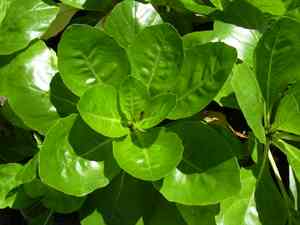
Molokai ohaha (Brighamia rockii)
Also known as: Ālula, Rock's Brighamia
The Pua ʻala (Brighamia insignis) typically stands between 1 to 5 meters in height and features a succulent, tapering stem that resembles a small trunk. Its oval leaves, which measure 6 to 22 cm in length and 1 to 15 cm in width, create a rosette at the plant's apex. The inflorescences consist of clusters with three to eight fragrant, trumpet-shaped flowers that are white to pale yellow.
In This Article
Attributes of Molokai ohaha
Lifespan
Perennial
Plant Type
Shrub
Plant Height
Approximately 1 to 3 meters
Spread
Up to 1 meter
Leaf Color
Green
Flower Size
2 to 3 centimeters
Flower Color
White
Images of Molokai ohaha
Quickly Identify Molokai ohaha
1
Succulent stem, swollen at base, tapers upwards to 3-6 feet (0.9-1.8 meters) tall.
2
Cluster of light green, leathery, spoon-shaped leaves, each about 6 inches (15 cm) long.
3
Notable 4-inch (10 cm) long trumpet-shaped white flowers in clusters of 3 to 8.
4
Mildly fragrant flowers typically bloom in late summer to early fall.
Scientific Classification of Molokai ohaha
Phylum
Vascular plants
Class
Dicotyledons
Order
Asterales
Family
Bellflower
Genus
Brighamia
Species
Molokai ohaha
Planting and Growing of Molokai ohaha
Care Difficulty
Hard
Watering Schedule
Every 2 days
Sunlight Requirements
Partial sun
Sunshine Duration
6-10 hours
Ideal Temperature
60-75℉
Soil Type
Potting Mix, Peat Mix
Soil pH
6.5-7.5
Fertilizer Type
Balanced
Pruning Season
Spring, Summer
Pruning Area
Branches, Leaves
Pruning Frequency
2 times a year
Repotting Season
Spring
Pot Type
Plastic, Ceramic
 How to Water Molokai ohaha?
Brighamia rockii requires a moderate approach to watering. Ensure the soil is soaked thoroughly but not waterlogged, allowing excess moisture to drain out. The soil should remain moist but not continuously damp, which can encourage root rot. During active growth periods, increase the frequency slightly, ensuring the potting mix dries out partially between waterings.
What are the symptoms of an underwatered Molokai ohaha?
›
What should I do if my Molokai ohaha is not getting enough water?
›
What are the symptoms of an overwatered Molokai ohaha?
›
How to save an overwatered Molokai ohaha?
›
 What Are the Sunlight Requirements for Molokai ohaha?
Brighamia rockii ideally needs partial sun with some direct exposure, maximizing photosynthesis and vigor. Optimal lighting encourages robust growth and vibrant foliage colors, essential for its overall health.
How much daily sunlight is optimal?
›
Where should I place it for best growth?
›
What if natural light is insufficient?
›
 What Is the Ideal Temperature Range for Molokai ohaha?
The ideal temperature range for Brighamia rockii is between 60-75°F. This range supports optimal photosynthesis and growth. Inside this range, the plant can efficiently carry out metabolic processes, making it ideal for both vegetative growth and flowering. Additionally, maintaining this temperature helps prevent stress-related diseases and disorders.
 What Soil is Best for Molokai ohaha?
Brighamia rockii thrives in well-draining soils which prevent root rot by swiftly removing excess water. This soil type ensures the roots have air circulation, promoting healthy plant growth. Rich in nutrients, the ideal soil for Brighamia rockii supports robust growth and development. Adequate nutrients like nitrogen, phosphorus, and potassium keep the plant healthy and resilient. The soil should balance moisture retention to keep the roots hydrated without waterlogging them. This balance is crucial for maintaining the plant's hydration and preventing stress.
 How to Fertilize Molokai ohaha?
Brighamia rockii requires balanced nutrients, so liquid fertilizer should be applied at a concentration of half the recommended strength on the packaging. It’s crucial to ensure the fertilizer is well-diluted to avoid any risk of over-fertilization.
 How to Prune Molokai ohaha?
First, assess your Brighamia rockii, identifying any dead or yellow leaves and spent flowers. Using sterilized pruning shears, carefully cut these off close to the base without damaging the stem. Make clean cuts to avoid infection and foster healthy regrowth. To maintain an attractive and tidy shape, observe the natural form of the plant and selectively prune areas that disrupt its symmetry. This often means trimming longer stems back to where they fork with another branch, promoting a fuller appearance.
More About Pruning Techniques→
 How to Propagate Molokai ohaha plant?
1
Prepare a well-draining, sterile growing medium that is suitable for seed germination or cuttings. Mix equal parts of sand, perlite, and peat moss to create an ideal base. Make sure the medium is moistened but not waterlogged.
2
Scatter the seeds onto the prepared growing medium, lightly pressing them into the soil without covering them. Provide gentle misting of water to keep them moist. Place the seed tray in a warm location with indirect sunlight.
3
Select a healthy parent plant and use sanitized pruning shears to cut a stem at a 45-degree angle. The cutting should be 4-6 inches long. Remove the lower leaves and dip the cut end in rooting hormone before planting in the medium.
 How to Repot Molokai ohaha plant?
1
Brighamia rockii should be repotted when its roots start to outgrow the current pot or if you notice the soil is retaining too much moisture. Typically, signs like roots growing out of the drainage holes or stunted growth indicate a need for repotting.
2
Choose a pot that is one size up from the current container. It should have adequate drainage holes to prevent water accumulation, which can lead to root rot. A ceramic or terracotta pot is ideal as it allows the roots to breathe and helps in regulating moisture.
3
Opt for a well-draining potting mix, ideally with a mix of perlite, sand, and quality potting soil. This prevents waterlogging and ensures that the roots have access to necessary air and nutrients, supporting healthy plant growth.
Learn More About Molokai ohaha Diseases
Anthracnose
Bacterial Leaf Spot
Bacterial Soft Rot
Bacterial Wilt
Black Spot
Chemical Injury
Crown Gall
Damping-off
Downy Mildew
Drought Stress
Fusarium Wilt
Gray Mold
Leaf Curl
Leaf Spot
Mosaic
Nutrient Deficiency
Nutrient Toxicity
Powdery Mildew
Root Rot
Root-knot Nematode
Sooty Mold
Spider Mites
Temperature Stress
Thrips Damage
White Mold



