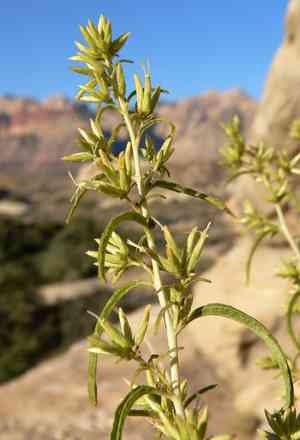
Longleaf brickellbush (Brickellia longifolia)
Also known as: Longleaf Brickellbush
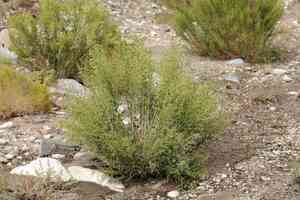
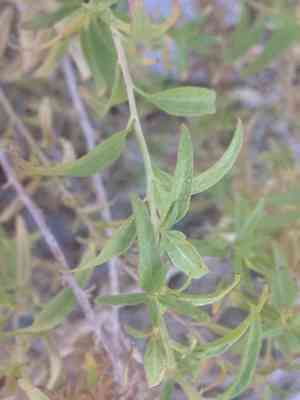
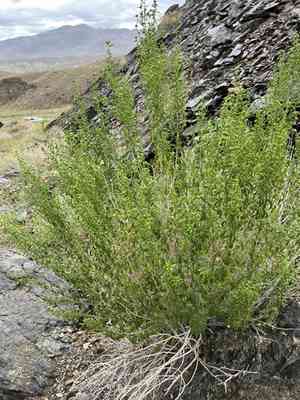
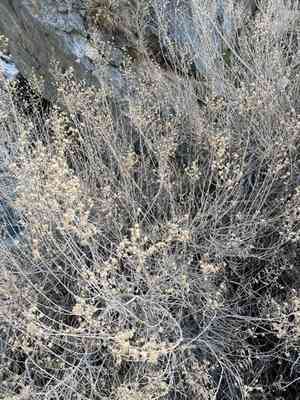
The Brickellia longifolia shrub typically grows to a height of 91 to 183 cm. It features narrow, stalkless leaves that range from 1 to 12 cm in length, ending in a pointed tip. This shrub blooms between summer and fall, producing small green flowers. These flowers are grouped in clusters of 3-5 per head, with each elongated stalk holding multiple clusters at the top of its branches.
In This Article
Attributes of Longleaf brickellbush
Lifespan
Perennial
Plant Type
Shrub
Plant Height
Between 1 to 3 feet (30 to 90 cm)
Spread
Not specifically noted, typically around 1 to 2 feet (30 to 60 cm)
Leaf Color
Green
Flower Size
Approximately 0.25 inches (6 mm)
Flower Color
Whitish to yellowish
Images of Longleaf brickellbush
Quickly Identify Longleaf brickellbush
1
It can be identified by its long, narrow leaves which are dense and hairy, and its small white to yellowish flowers grouped in clusters.
Scientific Classification of Longleaf brickellbush
Phylum
Vascular plants
Class
Dicotyledons
Order
Asterales
Family
Daisy
Genus
Brickellbushes
Species
Longleaf brickellbush
Planting and Growing of Longleaf brickellbush
Care Difficulty
Easy
Watering Schedule
Every 2 days
Sunlight Requirements
Full sun
Sunshine Duration
4-8 hours
Ideal Temperature
60-75℉
Soil Type
Potting Mix, Peat Mix
Soil pH
6.5-7.5
Fertilizer Type
Balanced
Pruning Season
Spring, Summer
Pruning Area
Branches, Leaves
Pruning Frequency
2 times a year
Repotting Season
Spring
Pot Type
Plastic, Ceramic
 How to Water Longleaf brickellbush?
Brickellia longifolia prefers a moderate watering routine where the soil is thoroughly soaked, allowing excess water to drain completely. The key is to ensure that the soil remains moist but never soggy, which can harm the plant's roots.
What are the symptoms of an underwatered Longleaf brickellbush?
›
What should I do if my Longleaf brickellbush is not getting enough water?
›
What are the symptoms of an overwatered Longleaf brickellbush?
›
How to save an overwatered Longleaf brickellbush?
›
 What Are the Sunlight Requirements for Longleaf brickellbush?
The ideal light range for Brickellia longifolia is full sun to partial sun. This exposure range ensures robust growth, allowing the plant to reach its full aesthetic potential by investing the energy from sunlight into lush foliage and flower production.
How much light does Brickellia longifolia need?
›
How can we provide ideal lighting conditions for Brickellia longifolia?
›
What are the benefits of proper lighting for Brickellia longifolia?
›
 What Is the Ideal Temperature Range for Longleaf brickellbush?
The ideal temperature range for Brickellia longifolia is from 60°F to 75°F. This range supports optimal growth and ensures healthy development of the plant. Temperatures within this range facilitate efficient photosynthesis and nutrient uptake.
 What Soil is Best for Longleaf brickellbush?
Brickellia longifolia thrives in well-draining soil to prevent root rot and ensure optimal nutrient uptake. This characteristic is vital as it allows excess water to pass through the soil, reducing waterlogging and fostering a healthier root system. A loamy soil rich in organic matter is essential for this plant. The nutrients from organic material support robust growth, improve soil structure, and increase microorganism activity, which benefits overall plant health. The soil should retain enough moisture without becoming waterlogged. Moderate water retention helps maintain consistent hydration, crucial for the plant during dry spells, ensuring sustained growth and development.
 How to Fertilize Longleaf brickellbush?
For Brickellia longifolia, a balanced fertilizer with equal parts nitrogen, phosphorus, and potassium is ideal. For liquid fertilizers, mix 1/4 teaspoon of fertilizer per gallon of water. Use slow-release granules at a rate of 1 tablespoon per square foot, ensuring it is evenly dispersed around the plant base.
 How to Prune Longleaf brickellbush?
Begin the pruning process by identifying branches that are dead, diseased, or damaged. Remove these first to prevent any potential spread of disease and to encourage healthier growth in other parts of the plant. Prune for shape by selectively cutting back overgrown branches to maintain a bushy and aesthetically pleasing form. This not only enhances the plant's appearance but also facilitates better sunlight penetration and improves internal air circulation. Trim back branches that cross or are growing inward toward the center of the plant. This will promote growth in a more outward direction, enhancing the plant's size and fullness.
More About Pruning Techniques→
 How to Propagate Longleaf brickellbush plant?
1
Select a well-draining potting mix to fill the containers before seed sowing or cutting propagation. Ensure the soil is moist but not waterlogged to promote root development and seed germination effectively.
2
Scatter seeds over the soil surface, then lightly cover them with a thin layer of soil. Water gently to keep the soil consistently moist, which is crucial for germination. Ensure they are in a warm, sunny spot.
3
Take cuttings from healthy, non-flowering shoots. Remove lower leaves and dip the cutting base in rooting hormone before placing it into moist soil. Keep it under indirect sunlight until roots establish.
 How to Repot Longleaf brickellbush plant?
1
Brickellia longifolia usually requires repotting when you notice roots growing out of the drainage holes, the soil is drying out too quickly, or the plant seems to have outgrown its current pot. Observing these indicators will help ensure timely repotting, enhancing health and growth.
2
Select a new pot that is just one size larger than the current one, ensuring at least one drainage hole exists. Using an appropriately sized pot prevents overwatering issues while providing enough room for continued root growth, thereby facilitating a healthy expansion.
3
Opt for a well-draining cactus mix, with components like perlite and sand to ensure proper aeration. This type of soil structure prevents root rot by allowing excess water to drain efficiently, which is crucial for maintaining the plant's health post-repotting.
Toxicity
Ingestion
WARNING
The judgment on toxicity and danger is for reference only. We DO NOT GUARANTEE any accuracy of such judgment. Therefore, you SHALL NOT rely on such judgment. It is IMPORTANT TO SEEK PROFESSIONAL ADVICE in advance when necessary.



