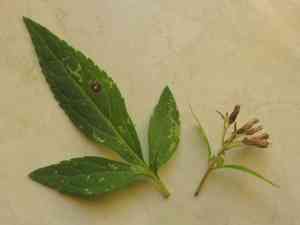
Shrubby brickellbush (Brickellia frutescens)
Also known as: Shrubby Brickellbush, Bushy Brickellia
Brickellia frutescens, also known as shrubby brickellbush, is a flowering plant species in the daisy family. It is found in the desert areas of Arizona, southern Nevada, southern California, and Baja California.
In This Article
Attributes of Shrubby brickellbush
Lifespan
Perennial
Plant Type
Shrub
Plant Height
2 to 5 feet
Spread
Around 3 feet
Leaf Color
Green
Flower Size
0.25 to 0.5 inches
Flower Color
Yellow-green
Images of Shrubby brickellbush
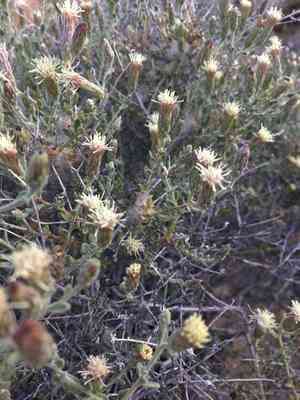
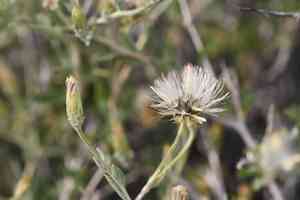
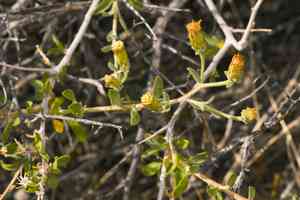
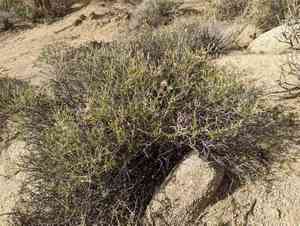
Quickly Identify Shrubby brickellbush
1
Identify Brickellia frutescens by its shrubby growth habit, aromatic leaves, and small, yellow-green flowers. The leaves are lanceolate to ovate, and the plant often has a somewhat bushy appearance.
Scientific Classification of Shrubby brickellbush
Phylum
Vascular plants
Class
Dicotyledons
Order
Asterales
Family
Daisy
Genus
Brickellbushes
Species
Shrubby brickellbush
Planting and Growing of Shrubby brickellbush
Care Difficulty
Easy
Watering Schedule
Every 3 days
Sunlight Requirements
Partial sun
Sunshine Duration
4-6 hours
Ideal Temperature
65-75℉
Soil Type
Potting Mix, Peat Mix
Soil pH
6.5-7.5
Fertilizer Type
Balanced
Pruning Season
Spring, Summer
Pruning Area
Branches, Leaves
Pruning Frequency
2 times a year
Repotting Season
Spring
Pot Type
Plastic, Ceramic
 How to Water Shrubby brickellbush?
For Brickellia frutescens, the recommended watering should ensure the soil remains lightly moist but not soggy. Each watering session should deliver approximately 250 ml of water, depending on the weather and humidity conditions. This plant thrives better with consistent moisture but should not remain in standing water.
What are the symptoms of an underwatered Shrubby brickellbush?
›
What should I do if my Shrubby brickellbush is not getting enough water?
›
What are the symptoms of an overwatered Shrubby brickellbush?
›
How to save an overwatered Shrubby brickellbush?
›
 What Are the Sunlight Requirements for Shrubby brickellbush?
Brickellia frutescens thrives in partial to full sunlight conditions. Ideal lighting promotes compact growth and vibrant blooms, ensuring a healthy plant that endures environmental changes well.
What is the best location for Brickellia frutescens?
›
How can I ensure optimal light exposure for Brickellia frutescens?
›
What are the benefits of ideal light conditions for Brickellia frutescens?
›
 What Is the Ideal Temperature Range for Shrubby brickellbush?
The ideal temperature range for Brickellia frutescens is between 65°F and 75°F. This range ensures optimal growth and development, as it mimics the plant's native habitat conditions. Maintaining temperatures within this range helps the plant carry out photosynthesis efficiently and sustain healthy cellular activities.
 What Soil is Best for Shrubby brickellbush?
Brickellia frutescens thrives in well-drained soils, which prevent waterlogging and root rot. This characteristic ensures that the roots receive adequate air and nutrients, leading to healthier plant growth. While not overly demanding, Brickellia frutescens benefits from soil enriched with organic matter. This enriches the soil's nutrient content, fostering robust growth and vibrant blooms. The plant prefers soil that retains moderate moisture. This balances hydration without causing soggy conditions, supporting balanced growth and reducing drought stress.
 How to Fertilize Shrubby brickellbush?
For Brickellia frutescens, the appropriate amount of fertilizer is important for optimal growth. Use a balanced liquid fertilizer, applying approximately one-quarter of the recommended dosage on the package, diluted in water. For slow-release fertilizers, use a small handful per plant, ensuring the fertilizer is spread evenly across the soil surface.
 How to Prune Shrubby brickellbush?
Be cautious not to remove more than one-third of the plant's total foliage at a time, as over-pruning can stress the plant and impede its growth and flowering potential. Pay attention to the plant's natural growth pattern; avoid drastic changes that could affect its natural beauty. Instead, make small, incremental cuts to gradually shape the plant. Pruning during the growing seasons of spring and summer is ideal as it supports the most vigorous growth and recovery. In contrast, minimize pruning in autumn to prepare the plant for winter dormancy.
More About Pruning Techniques→
 How to Propagate Shrubby brickellbush plant?
1
Choose a healthy parent plant free from diseases and pests. This ensures the cuttings or seeds are of high quality, potentially leading to a higher success rate in propagation.
2
Create a well-draining soil mix using equal parts of sand, loam, and organic compost. A suitable soil mix ensures proper drainage and nutrient availability for the developing roots.
3
Gently insert cuttings into the soil or sow seeds evenly across the surface. Cover seeds lightly, maintaining appropriate spacing to prevent overcrowding, which can hinder growth.
 How to Repot Shrubby brickellbush plant?
1
Recognize the time to repot Brickellia frutescens by observing its root system. If roots start circling the pot or protrude through drainage holes, it's time for a new, spacious home. Also, if the plant's growth appears stunted, a repotting might refresh its vigor.
2
Select a pot that is one size larger than the current one with drainage holes to prevent waterlogging. A pot that's too large can retain excess moisture, leading to root rot. Opt for materials like terra cotta, promoting breathability, which is ideal for maintaining healthy roots.
3
Opt for a well-draining potting mix specifically for cacti or succulents. This kind of soil prevents root rot and allows for proper moisture distribution, which is essential for the health of Brickellia frutescens. Avoid dense soils that can suffocate roots and hinder growth.
Learn More About Shrubby brickellbush Diseases
Anthracnose
Bacterial Leaf Spot
Bacterial Wilt
Crown Gall
Cyst Nematode
Damping-off
Downy Mildew
Drought Stress
Fusarium Wilt
Gray Mold
Leaf Spot
Mosaic
Nutrient Deficiency
Nutrient Toxicity
Powdery Mildew
Root Rot
Root-knot Nematode
Rusts
Sooty Mold
Spider Mites
Temperature Stress
Thrips Damage
White Mold



