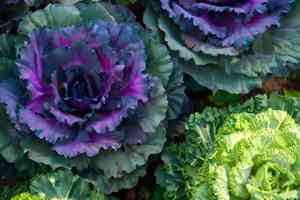
Cabbage (Brassica oleracea)
Also known as: Brussels sprouts, Cauliflower
You might be surprised to learn that many common vegetables like broccoli, cauliflower, kale, kohlrabi, and Brussels sprouts all originated from the wild cabbage plant. Over the centuries, people selectively bred the wild cabbage to create these diverse and edible varieties. Interestingly, the wild form of this plant is also edible.
In This Article
Plant Comprehensive Care Guide: Beginner's Introduction and Key Details
Perfect for beginners starting their plant care journey
→
10 Secrets to Making Cabbage Grow Faster (A Must-Read for Beginners)
Advanced tips to accelerate your plant's growth
→
Care "Black Tech": 10 Little-Known Highly Effective Maintenance Tips
Expert-level techniques for optimal plant care
→
Attributes of Cabbage
Lifespan
Perennial, Biennial, Annual
Plant Type
Herb
Plant Height
60 cm to 1.5 m
Spread
30 cm to 60 cm
Leaf Color
Green Blue Red
Flower Size
2.5 cm
Flower Color
Yellow
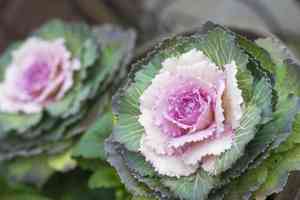
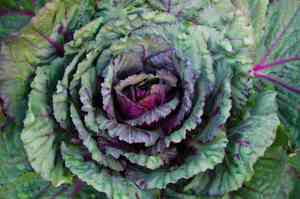
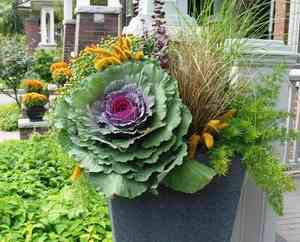
Images of Cabbage
Quickly Identify Cabbage
1
Waxy leaves in varied hues: purple, pink, white.
2
Yellow flowers with cross pattern, attracting pollinators.
3
Elongated siliques with distinctive dehiscence for seed dispersal.
4
Thick stem, pale green to light brown, minimal irregularities.
5
Prominent veins on fleshy, glaucous leaves up to 2 feet long.
Scientific Classification of Cabbage
Phylum
Vascular plants
Class
Dicotyledons
Order
Mustards, capers, and allies
Family
Cruciferae
Genus
Kales
Species
Cabbage
Planting and Growing of Cabbage
Care Difficulty
Easy
Watering Schedule
Every 8 days
Sunlight Requirements
Full sun
Sunshine Duration
6-10 hours
Ideal Temperature
60-70℉
Soil Type
Potting Mix, Peat Mix
Soil pH
6.5-7.5
Fertilizer Type
Balanced
Pruning Season
Spring, Summer
Pruning Area
Branches, Leaves
Pruning Frequency
2 times a year
Repotting Season
Spring
Pot Type
Plastic, Ceramic
 How to Water Cabbage?
Brassica oleracea generally requires around 500 milliliters of water per session. Watering should be thorough but ensure the soil remains well-drained to avoid waterlogging. The principle is to keep the soil consistently moist but not soggy, particularly during active growth periods.
More About Watering Techniques→
What are the symptoms of an underwatered Cabbage?
›
What should I do if my Cabbage is not getting enough water?
›
What are the symptoms of an overwatered Cabbage?
›
How to save an overwatered Cabbage?
›
 What Are the Sunlight Requirements for Cabbage?
Brassica oleracea flourishes best with full sun exposure for 4-6 hours daily. This range supports strong photosynthesis, leading to vigorous growth, robust foliage, and a bountiful harvest.
More About Sunlight Requirements Techniques→
What is the ideal lighting condition for Brassica oleracea?
›
How can I achieve the ideal lighting for my plant?
›
What benefits does the plant get from ideal lighting?
›
 What Is the Ideal Temperature Range for Cabbage?
Brassica oleracea thrives best in temperatures ranging from 60°F to 70°F. This range supports optimal growth and development, ensuring the plant reaches its full potential. Within this range, the plant can effectively photosynthesize, grow robust foliage, and eventually produce flowers and seeds.
 What Soil is Best for Cabbage?
Brassica oleracea thrives in nutrient-rich soil, which ensures that the plant receives the essential minerals for robust growth. Enriched soil fosters healthier leaves and reduces susceptibility to diseases. Soil that offers good drainage prevents waterlogging, which can lead to root rot. This requirement is crucial as it helps maintain the plant's health by ensuring the roots have access to air. While drainage is important, the soil must also retain enough moisture to keep the plant hydrated. This balance supports continuous nutrient uptake and vibrant foliage.
More About Soil→
 How to Fertilize Cabbage?
Brassica oleracea, commonly known for its many varieties such as cabbage, broccoli, and kale, thrives on a moderate amount of nourishment. Typically, when using liquid fertilizers, a dilution of the product at half the recommended strength once every two weeks is sufficient. More concentrated applications can risk burning the plant roots.
More About Fertilizing Techniques→
 How to Prune Cabbage?
Look for stems that are overcrowded or crossing over each other. Removing these will improve air circulation and encourage healthy growth. Start by cutting back to the main stem, removing no more than a third of the plant at one time. Make cuts at a 45-degree angle about 0.25 inches above a bud or leaf node. This encourages new growth to sprout from these nodes and ensures that water does not pool on the cut, which could lead to rot.
More About Pruning Techniques→
 How to Propagate Cabbage plant?
1
Choose healthy parent plants that show no signs of disease or pest infestation. A robust parent plant will pass on its good genes, increasing the likelihood of strong and healthy offspring.
2
Use a well-draining potting mix, rich in organic material, to ensure the cuttings or seeds have the best possible start. The soil should be able to retain moisture while not being waterlogged.
3
For seeds, sow at a shallow depth, about 1/4 inch, and for cuttings, ensure that at least one-third of the cutting is inserted into the soil to encourage root growth.
 How to Repot Cabbage plant?
1
Repot Brassica oleracea when you notice that roots are growing out of drainage holes or becoming exposed at the soil surface. This usually indicates that the plant is root-bound and requires a larger pot. Spring and autumn are ideal times, as the plant is actively growing and can quickly adjust to the new environment.
2
Opt for a pot that is 2-3 inches larger in diameter than the current one. Ensure it has adequate drainage holes to prevent waterlogging, which can lead to root rot. A pot made of breathable material like terracotta helps in maintaining a consistent moisture level and promotes healthy root growth.
3
Select a loamy, well-draining soil mix enriched with organic matter. Such soil ensures that excess water drains away while retaining necessary moisture. The organic matter will provide essential nutrients, promoting robust plant health and vigorous leaf production.
Learn More About Cabbage Diseases
Anthracnose
Bacterial Leaf Spot
Bacterial Soft Rot
Clubroot
Cyst Nematode
Damping-off
Downy Mildew
Drought Stress
Fusarium Wilt
Gray Mold
Leaf Spot
Mosaic
Nutrient Deficiency
Nutrient Toxicity
Powdery Mildew
Root Rot
Root-knot Nematode
Sooty Mold
Spider Mites
Temperature Stress
Thrips Damage
White Mold
Chemical Injury



