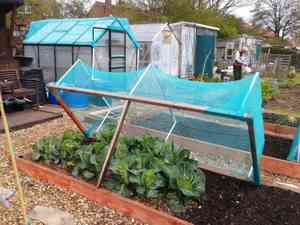
Brassica montana (Brassica montana)
Also known as: Mountain Cabbage
Brassica montana is a perennial plant in the Brassica genus, known for its cabbage-like appearance and is native to certain regions of Europe.
In This Article
Attributes of Brassica montana
Lifespan
Perennial
Plant Height
0.6m
Spread
NA
Leaf Color
Green
Flower Size
NA
Flower Color
Yellow
Images of Brassica montana
Quickly Identify Brassica montana
1
Brassica montana can be identified by its large, broad leaves that resemble a cabbage. It has a stout stem and may produce small yellow flowers typical of the Brassicaceae family.
Scientific Classification of Brassica montana
Phylum
Angiosperms
Class
Eudicots
Order
Brassicales
Family
Brassicaceae
Genus
Brassica
Planting and Growing of Brassica montana
Care Difficulty
Moderate
Watering Schedule
Every 4 days
Sunlight Requirements
Full sun
Sunshine Duration
4-8 hours
Ideal Temperature
60-75℉
Soil Type
Potting Mix, Peat Mix
Soil pH
6.5-7.5
Fertilizer Type
Balanced
Pruning Season
Spring, Summer
Pruning Area
Branches, Leaves
Pruning Frequency
2 times a year
Repotting Season
Spring
Pot Type
Plastic, Ceramic
 How to Water Brassica montana?
Brassica montana appreciates a deep soak, meaning the water should penetrate deeply into the soil. Around 500 milliliters per session works well to ensure the root system receives adequate moisture. The soil should appear visibly moist, but water should not pool for too long.
What are the symptoms of an underwatered Brassica montana?
›
What should I do if my Brassica montana is not getting enough water?
›
What are the symptoms of an overwatered Brassica montana?
›
How to save an overwatered Brassica montana?
›
 What Are the Sunlight Requirements for Brassica montana?
Brassica montana flourishes under full sun to partial sun conditions. This light range encourages healthy foliage growth and efficient photosynthesis needed for significant plant development.
What is the ideal lighting condition for Brassica montana?
›
How can I achieve the ideal lighting for Brassica montana?
›
What are the benefits of providing the ideal lighting for Brassica montana?
›
 What Is the Ideal Temperature Range for Brassica montana?
The ideal temperature range for growing Brassica montana is between 60°F and 75°F. This range allows for optimal growth and photosynthesis, ensuring that the plant has enough warmth to support its physiological processes while not being too hot to cause stress or damage. Maintaining this range is crucial for ensuring healthy development and robust foliage.
 What Soil is Best for Brassica montana?
Brassica montana thrives in nutrient-rich loam soil, providing ample nutrients for rapid growth and healthy leaves. This soil type ensures good moisture retention and drainage, balancing the needs for water and air. Preferring slightly alkaline conditions, Brassica montana benefits from a soil pH between 6.5 and 7.5. This pH range supports optimal nutrient availability, ensuring the plant receives essential minerals for growth. Effective drainage is vital for Brassica montana to prevent root rot and other water-related issues. Loam soil offers excellent drainage properties, protecting the roots from excess moisture, which could lead to decay.
 How to Fertilize Brassica montana?
Brassica montana benefits from moderate fertilization. Use a balanced NPK fertilizer, applying it at a rate of about 1/4 cup per plant for solid fertilizers. Be sure not to exceed this amount to avoid root burn, and always follow manufacturer's instructions when preparing liquid fertilizers to ensure the solution is not too concentrated.
 How to Prune Brassica montana?
Begin by inspecting the entire plant for any dead or damaged leaves. Use sharp pruning shears to cut them away at their base. Next, focus on the stems: if they have grown too leggy, prune them back to promote bushier growth. Aim to maintain an even shape, ensuring light can penetrate all parts of the plant. After trimming, consider watering the plant and applying a balanced fertilizer to stimulate regrowth.
 How to Propagate Brassica montana plant?
1
Collect seeds from mature Brassica montana plants and allow them to dry. Before planting, soak the seeds in warm water for about 12 hours to enhance germination rates.
2
Select a healthy branch, make a clean cut below a node using sharp pruners. Ensure each cutting is about 10 cm long, remove the lower leaves to reduce moisture loss.
3
Gently dig up the plant, separate into smaller sections ensuring each has roots attached. Replant the divisions into prepared soil, lightly firm the soil around the roots.
 How to Repot Brassica montana plant?
1
Repot Brassica montana when you notice roots coming out of the drainage holes or if the plant seems root-bound and is not growing well. Spring and early summer are ideal times because the plant is in active growth and can quickly adapt to a new pot.
2
Opt for a pot that is one size larger than the current pot with good drainage holes. A slightly bigger pot enables roots to spread out properly, which can boost plant health and reduce the risk of waterlogging.
3
Use well-draining loamy soil with good moisture retention properties. This ensures that the plant receives ample nutrients while preventing root rot, providing a supportive environment for healthy growth.
Learn More About Brassica montana Diseases
Anthracnose
Bacterial Leaf Spot
Bacterial Soft Rot
Clubroot
Damping-off
Downy Mildew
Drought Stress
Fusarium Wilt
Gray Mold
Leaf Spot
Mosaic
Nutrient Deficiency
Nutrient Toxicity
Powdery Mildew
Root Rot
Root-knot Nematode
Rusts
Sooty Mold
Spider Mites
Temperature Stress
Thrips Damage
White Mold
Chemical Injury

