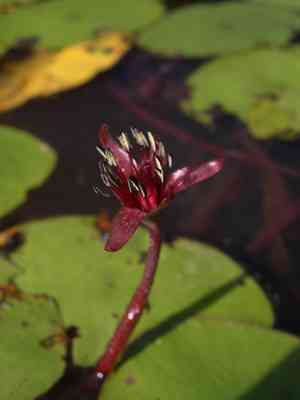
Schreber's watershield (Brasenia schreberi)
Also known as: Water Shield, Dollar Bonnet
Schreber's watershield (Cabomba caroliniana) is an aquatic plant commonly found in ponds and rivers globally. However, it is nearly extinct in Europe. This species often becomes weedy, forming dense growths that can impede boat navigation. Its floating leaves provide food and shelter for fish and other aquatic organisms. In China and Japan, the leaves are cultivated for use as vegetables.
In This Article
Attributes of Schreber's watershield
Lifespan
Perennial
Plant Type
Herb
Plant Height
2 cm to 5 cm
Spread
2 m
Leaf Color
Green Purple Lavender
Flower Size
2.5 cm
Flower Color
Red Yellow Pink Purple
Images of Schreber's watershield
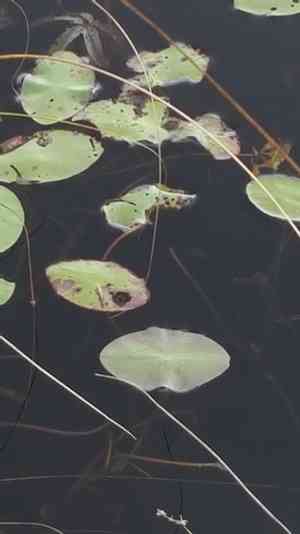
Quickly Identify Schreber's watershield
1
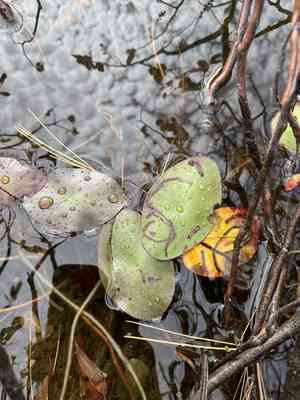
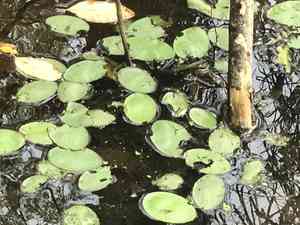
Floating oval leaves with gelatinous coating
2
Purple to red flowers with 3 petals
3
Ellipsoid fruit with persistent style, no dehiscence
4
Slender stems with gel-like coating, minimal branching
5
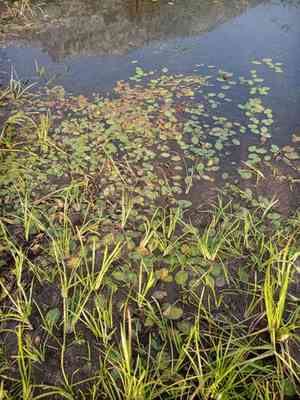
Thrives in water depths from 1 inch to 6 feet
Scientific Classification of Schreber's watershield
Phylum
Vascular plants
Class
Dicotyledons
Order
Water-lilies, fanworts, and allies
Family
Water-shields
Genus
Brasenia
Species
Schreber's watershield
Planting and Growing of Schreber's watershield
Care Difficulty
Easy
Watering Schedule
Every 4 days
Sunlight Requirements
Partial sun
Sunshine Duration
4-8 hours
Ideal Temperature
65-85℉
Soil Type
Potting Mix, Peat Mix
Soil pH
6.5-7.5
Fertilizer Type
Balanced
Pruning Season
Spring, Summer
Pruning Area
Branches, Leaves
Pruning Frequency
2 times a year
Repotting Season
Spring
Pot Type
Plastic, Ceramic
 How to Water Schreber's watershield?
Brasenia schreberi thrives in water-rich environments, so it requires generous watering. You should aim to saturate the soil or aquatic area where it grows with approximately 1000 milliliters of water per session. The goal is to ensure that the substrate remains consistently moist, just like its natural habitat in marshes and shallow waters.
What are the symptoms of an underwatered Schreber's watershield?
›
What should I do if my Schreber's watershield is not getting enough water?
›
What are the symptoms of an overwatered Schreber's watershield?
›
How to save an overwatered Schreber's watershield?
›
 What Are the Sunlight Requirements for Schreber's watershield?
Brasenia schreberi benefits most from partial shade to full shade conditions. Ensuring the plant receives filtered sunlight fosters optimal photosynthesis and growth. This setup prevents leaf burn while maintaining sufficient energy for vibrant and healthy foliage.
More About Sunlight Requirements Techniques→
Optimal sunlight exposure
›
Protecting against excessive sun
›
Maintaining a consistent light schedule
›
 What Is the Ideal Temperature Range for Schreber's watershield?
Brasenia schreberi thrives best within a temperature range of 65 to 85 degrees Fahrenheit. This range promotes optimal growth, healthy foliage, and proper nutrient absorption. Maintaining this temperature ensures the plant remains stress-free and can reach its full aesthetic and functional potential.
 What Soil is Best for Schreber's watershield?
Brasenia schreberi thrives in soils that can retain moisture effectively. This is crucial because the plant typically grows in aquatic environments where consistent water supply is essential for its growth. A soil that maintains moisture supports its lush leaves and ensures healthy development. A nutrient-rich soil is important for Brasenia schreberi as it provides the necessary minerals and nutrients that support its growth in aquatic habitats. Such soils encourage strong root systems and vibrant foliage, essential for its overall health and productivity. Brasenia schreberi prefers a soil pH between 6.5 and 7.5, which is considered slightly acidic to neutral. This pH range ensures optimal nutrient availability and prevents potential toxicity issues, promoting a robust and healthy plant.
 How to Fertilize Schreber's watershield?
Brasenia schreberi generally thrives with balanced fertilization. A recommended dose is ½ teaspoon of liquid fertilizer for every gallon of water during the active growing season. This ensures adequate nutrient supply without overloading the plant’s system.
 How to Prune Schreber's watershield?
Begin by inspecting the plant for any overgrown, intertwined, or crossed stems. Use sharp pruning shears to trim back these areas to maintain the plant's shape and encourage better water circulation and exposure to sunlight. Carefully pluck or snip away any dead or discolored leaves. This helps prevent disease and allows the plant to focus energy on healthy growth. Ensure that you dispose of any cuttings properly.
More About Pruning Techniques→
 How to Propagate Schreber's watershield plant?
1
Collect seeds from mature Brasenia schreberi plants in spring. Ensure the seeds are fully developed by checking their firmness and color, which should be dark and consistent.
2
Scarify the seeds with sandpaper to break the seed coat, which helps to enhance germination rates. Soaking the seeds in warm water overnight can also stimulate sprouting.
3
For division propagation, carefully separate sections of the plant's rhizome in early summer. Ensure each section has a healthy portion of root mass and shoot for successful growth.
 How to Repot Schreber's watershield plant?
1
Brasenia schreberi should be repotted when you notice its growth slowing down or roots poking through the drainage holes. The best time to repot is when the plant is emerging from dormancy in spring, as it will benefit from fresh soil and additional space for optimal growth.
2
Select a pot that is only one size larger than the current one. A pot too large can hold excess moisture, leading to root rot. A well-sized pot ensures proper water drainage and allows roots to breathe, promoting healthy growth.
3
A rich loamy soil mix is ideal for repotting Brasenia schreberi. Such soil retains moisture while providing essential nutrients for the plant. It also has good drainage properties, preventing waterlogging and encouraging root development.



