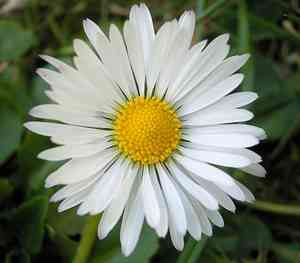
Soft goldaster (Bradburia pilosa)
Also known as: Huisache daisy
The soft goldaster (Chrysopsis pilosa), part of the aster family, is a perennial plant indigenous to the southeastern United States. It features bright yellow, daisy-like flowers and hairy stems and leaves that give it a soft texture. This plant typically reaches heights of up to 1.5 feet and thrives in sunny, sandy environments such as prairies and roadsides. The foliage, when crushed, emits a scent reminiscent of camphor.
In This Article
Attributes of Soft goldaster
Lifespan
Annual
Plant Type
Herb
Plant Height
80 cm
Spread
Not applicable, as it is a herb
Leaf Color
Green
Flower Size
1.8 cm to 3 cm
Flower Color
Yellow
Images of Soft goldaster
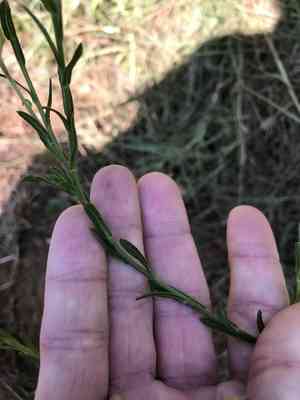
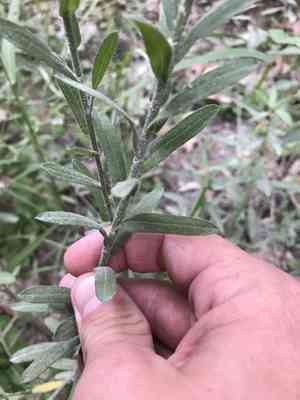
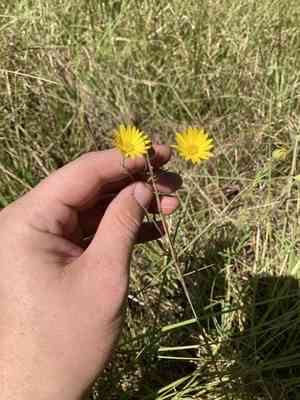
Quickly Identify Soft goldaster
1
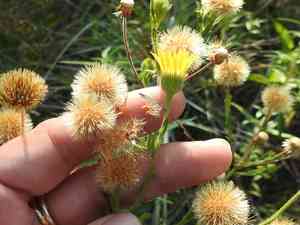
Bradburia pilosa can be identified by its hairy leaves, bright yellow daisy-like flowers, and typically growing in clusters in dry, open areas.
Scientific Classification of Soft goldaster
Phylum
Vascular plants
Class
Dicotyledons
Order
Asterales
Family
Daisy
Genus
Bradburia
Species
Soft goldaster
Planting and Growing of Soft goldaster
Care Difficulty
Easy
Watering Schedule
Every 3 days
Sunlight Requirements
Full sun
Sunshine Duration
6-12 hours
Ideal Temperature
68-77℉
Soil Type
Potting Mix, Peat Mix
Soil pH
6.5-7.5
Fertilizer Type
Balanced
Pruning Season
Spring, Summer
Pruning Area
Branches, Leaves
Pruning Frequency
2 times a year
Repotting Season
Spring
Pot Type
Plastic, Ceramic
 How to Water Soft goldaster?
For Bradburia pilosa, ensuring the soil is consistently moist but not waterlogged is crucial. Water thoroughly at 200 ml to ensure moisture reaches the root zone. The key is to moisten the soil evenly without causing puddles or excess drainage.
What are the symptoms of an underwatered Soft goldaster?
›
What should I do if my Soft goldaster is not getting enough water?
›
What are the symptoms of an overwatered Soft goldaster?
›
How to save an overwatered Soft goldaster?
›
 What Are the Sunlight Requirements for Soft goldaster?
Bradburia pilosa thrives with ideal exposure to full sun. This range supports photosynthetic efficiency, maximizes flowering, and ensures robust growth, contributing to overall plant health and ornamental appeal.
How much sunlight does Bradburia pilosa need?
›
Where should I position the plant for ideal sun exposure?
›
What are the benefits of optimal sunlight for Bradburia pilosa?
›
 What Is the Ideal Temperature Range for Soft goldaster?
The ideal temperature range for the growth of Bradburia pilosa lies between 68°F and 77°F. This range ensures that the plant receives warmth without experiencing extreme heat, which can stress the plant and affect its growth. Maintaining this temperature helps the plant in optimal processes like photosynthesis and moisture retention.
 What Soil is Best for Soft goldaster?
Bradburia pilosa thrives in well-draining soil conditions, which prevent waterlogging and ensure adequate aeration to the roots. This type of soil helps to maintain optimal moisture levels and enables roots to access nutrients efficiently. A nutrient-rich soil composition supports vigorous growth and flowering in Bradburia pilosa. The presence of essential nutrients such as nitrogen, phosphorus, and potassium facilitates lush foliage and robust plant health. Soil that balances moisture retention with free drainage is ideal for Bradburia pilosa. This helps to retain enough water to nourish the plant while preventing excess moisture that could lead to root rot or fungal infections.
 How to Fertilize Soft goldaster?
For Bradburia pilosa, a balanced fertilizer with an NPK ratio of 5-5-5 is ideal. Typically, you should use about 1/4 cup per plant for solid fertilizers and a diluted liquid fertilizer solution at half strength. This provides the necessary nutrients without overwhelming the plant's roots.
 How to Prune Soft goldaster?
Over-pruning can weaken the plant by removing too much foliage or growth. Always leave some leaves and shoots intact to allow for sufficient photosynthesis and recovery, ensuring the plant thrives post-pruning. After pruning, inspect the plant for any signs of pests or disease that may enter through fresh cuts. Applying a light mist of neem oil can safeguard against common issues, keeping the plant healthy and resilient.
More About Pruning Techniques→
 How to Propagate Soft goldaster plant?
1
Collect ripe seeds from the Bradburia pilosa plant, clean them to remove any pulp, and dry them properly. This starts the process by ensuring viability and cleanliness of the seeds.
2
Place the seeds in the seed tray filled with a well-drained, sterile potting mix. Cover the seeds lightly with soil, water gently, and maintain moisture without waterlogging.
3
To propagate using cuttings, select healthy non-flowering shoots of Bradburia pilosa. Cut 4-6 inch sections just below a node to include a few leaves and increase rooting probability.
 How to Repot Soft goldaster plant?
1
Consider repotting Bradburia pilosa when its roots start to appear at the drainage holes, which indicates they need more space. Also, if you notice a significant slow-down in growth during its active growing season, it's time to repot.
2
Select a pot that is only slightly larger than the current one to prevent excess soil moisture. The ideal pot should have adequate drainage holes to avoid waterlogging, which can cause root rot—a common issue for Bradburia pilosa.
3
Choose a well-draining sandy soil mix to provide effective drainage while retaining necessary nutrients. This will help prevent root rot and create an optimal growing environment, as Bradburia pilosa thrives in such conditions.



