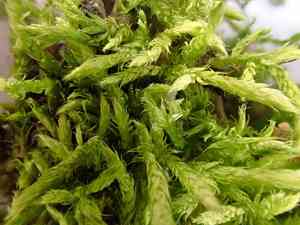
Brachythecium moss (Brachythecium campestre)
Also known as: Field Brachythecium, Campestre Feather Moss
Brachythecium moss is a hardy species that flourishes in moist, shaded areas such as forest floors, stream banks, and decaying logs. It often forms dense, green carpets that blend seamlessly into their surroundings. This moss is particularly adept at retaining moisture, thanks to its feathery stems and leaves. Its preferred habitats are typically well-drained yet humid, allowing it to thrive in temperate climates.
In This Article
Attributes of Brachythecium moss
Lifespan
Perennial
Plant Height
Up to 4 cm
Spread
Does not form a significant crown
Leaf Color
Green
Flower Size
Mosses do not produce flowers
Flower Color
Mosses do not produce flowers
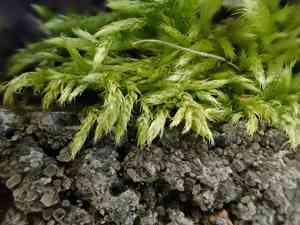
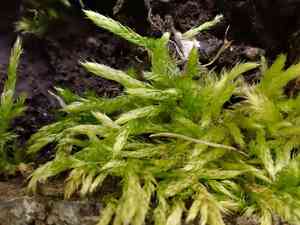
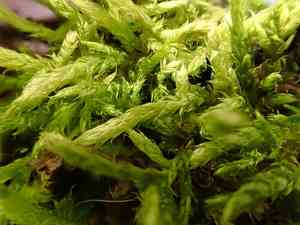
Images of Brachythecium moss
Quickly Identify Brachythecium moss
1
This moss can be identified by its dense, green tufts and finely branched stems. The leaves are narrow, lance-shaped, and have a faint, glossy appearance. It often forms continuous mats on the ground.
Scientific Classification of Brachythecium moss
Phylum
Bryophyta
Class
Bryopsida
Order
Hypnales
Family
Brachytheciaceae
Genus
Brachythecium
Planting and Growing of Brachythecium moss
Care Difficulty
Easy
Watering Schedule
Every 3 days
Sunlight Requirements
Partial sun
Sunshine Duration
4-8 hours
Ideal Temperature
60-75℉
Soil Type
Potting Mix, Peat Mix
Soil pH
6.5-7.5
Fertilizer Type
Balanced
Pruning Season
Spring, Summer
Pruning Area
Branches, Leaves
Pruning Frequency
2 times a year
Repotting Season
Spring
Pot Type
Plastic, Ceramic
 How to Water Brachythecium moss?
For Brachythecium campestre, apply enough water so that the soil is moist but not waterlogged. Use around 100 ml, making sure the water penetrates down to the roots. This helps avoid surface-level watering, which can dry out quickly.
What are the symptoms of an underwatered Brachythecium moss?
›
What should I do if my Brachythecium moss is not getting enough water?
›
What are the symptoms of an overwatered Brachythecium moss?
›
How to save an overwatered Brachythecium moss?
›
 What Are the Sunlight Requirements for Brachythecium moss?
Partial sun, with 2-4 hours of daily exposure, suits Brachythecium campestre. This balance ensures healthy growth by providing enough light for photosynthesis without risking heat stress.
What environmental conditions suit Brachythecium campestre?
›
What is the ideal sunlight exposure?
›
How would optimal lighting impact the plant?
›
 What Is the Ideal Temperature Range for Brachythecium moss?
For optimal growth, Brachythecium campestre thrives best at temperatures between 60°F and 75°F. This range mirrors the conditions found in its natural habitat, providing adequate warmth without causing heat stress. Maintaining this temperature helps ensure proper photosynthesis and nutrient absorption, which are critical for the moss’s vibrant growth.
 What Soil is Best for Brachythecium moss?
Brachythecium campestre thrives in soils with excellently drained textures. Good drainage prevents the accumulation of excess water, which can otherwise lead to root rot and other moisture-related issues. This moss enjoys a soil medium rich in organic matter. Nutrient-dense soils support robust growth and vibrant green coloration, which are hallmarks of healthy Brachythecium campestre. Despite needing well-drained conditions, this plant also appreciates soils that can retain adequate moisture without becoming waterlogged, ensuring it stays hydrated during dry spells.
 How to Fertilize Brachythecium moss?
For Brachythecium campestre, a delicate balance in fertilization is crucial. Use a weak liquid fertilizer diluted to one-quarter strength to avoid overwhelming the plant. Apply 100 ml per watering, ensuring the soil is slightly moist to aid absorption. Excessive fertilizer can harm this moss, so precision in the amount is key.
 How to Prune Brachythecium moss?
Before you begin pruning Brachythecium campestre, ensure your tools are sharp and clean to prevent the spread of disease. Prepare a well-lit workspace where you can easily see what you're doing. Start by removing any dead or brown sections of the moss. Use small shears or scissors and trim carefully to maintain the natural shape of the moss. Ensure to cut close to the stem for a neat appearance. Pruning not only helps maintain the health of Brachythecium campestre but also encourages denser growth. Trim inner sections slightly to foster light penetration and air circulation.
More About Pruning Techniques→
 How to Propagate Brachythecium moss plant?
1
Choose a thriving and healthy patch of Brachythecium campestre for propagation. A healthy parent plant ensures more robust new growth. Look for areas with dense, vibrant green mats and no signs of disease.
2
Use the gardening spade to gently lift a section of the moss clump. Be cautious to dig deep enough to capture the root system but gently enough to avoid damaging the delicate roots of the moss.
3
Once you have lifted the clump, use your hands or the shears to divide it into smaller sections. Each section should have a fair amount of root material to help it re-establish when planted.
 How to Repot Brachythecium moss plant?
1
Repot Brachythecium campestre when growth appears stunted or the pot seems too small. If roots are circling the pot or emerging from drainage holes, it's time for a change. This usually happens every two years.
2
Select a pot one size larger with good drainage holes. This allows space for growth and prevents waterlogging. Ensure it's sturdy and fits the aesthetic of your space for a harmonious look.
3
Opt for a moist, well-draining soil mix, like a blend of peat, loam, and sand. This composition retains enough moisture while allowing excess water to escape, maintaining ideal conditions for moss growth.


