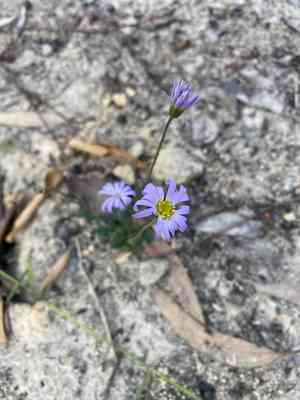
Brachyscome (Brachyscome) (Brachyscome)
Also known as: Swan River Daisy, Cut-leaved Daisy
Brachyscome are annual and perennial herbs and small shrubs. Species have a basal rosette of leaves and/or leaves alternately arranged on the stem. The blades are entire or divided. The flower heads are solitary or borne in small corymbs. The head has a row of ray florets in shades of white, blue, pink, or mauve, and yellow disc florets. These achenes or cypselas are roughly club-shaped but usually incurved and flattened. They often have a membranous rim or wing around the edge that is sometimes wavy or fringed. There are between 65 and 80 species in the genus. Most are endemic to Australia, and a few occur in New Zealand and New Guinea.
In This Article
Attributes of Brachyscome (Brachyscome)
Lifespan
Annual
Plant Height
10-30 cm
Spread
30-60 cm
Leaf Color
Green
Flower Size
2-3 cm
Flower Color
Blue, purple, white
Images of Brachyscome (Brachyscome)
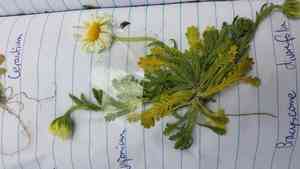
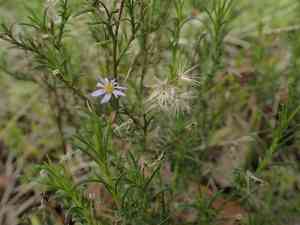
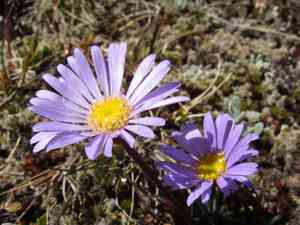
Quickly Identify Brachyscome (Brachyscome)
1
Brachyscome plants can be identified by their small, daisy-like flowers with a central disk surrounded by petal-like ray florets. The foliage is generally fine and almost fern-like. The plants are low-growing and spreading, making them ideal for ground cover.
Scientific Classification of Brachyscome (Brachyscome)
Phylum
Magnoliophyta
Class
Magnoliopsida
Order
Asterales
Family
Asteraceae
Genus
Brachyscome
Planting and Growing of Brachyscome (Brachyscome)
Care Difficulty
Easy
Watering Schedule
Every 4 days
Sunlight Requirements
Full sun
Sunshine Duration
4-8 hours
Ideal Temperature
60-75℉
Soil Type
Potting Mix, Peat Mix
Soil pH
6.5-7.5
Fertilizer Type
Balanced
Pruning Season
Spring, Summer
Pruning Area
Branches, Leaves
Pruning Frequency
2 times a year
Repotting Season
Spring
Pot Type
Plastic, Ceramic
 How to Water Brachyscome (Brachyscome)?
Brachyscome plants thrive best when the soil is kept slightly moist, but not waterlogged. It's advisable to water them thoroughly once every week, making sure the top inch of soil is dry before watering again. A good soak, around 250 ml, should be enough to ensure the water reaches the roots without oversaturating them.
What are the symptoms of an underwatered Brachyscome (Brachyscome)?
›
What should I do if my Brachyscome (Brachyscome) is not getting enough water?
›
What are the symptoms of an overwatered Brachyscome (Brachyscome)?
›
How to save an overwatered Brachyscome (Brachyscome)?
›
 What Are the Sunlight Requirements for Brachyscome (Brachyscome)?
Brachyscome prefers partial to full sun, with benefits including healthy blooms and robust growth. Proper light not only enhances its beauty but also fortifies its resistance to diseases and environmental stress.
What is the ideal amount of sunlight?
›
How can I ensure my plant gets this light?
›
What are the benefits of getting the right amount of sunlight?
›
 What Is the Ideal Temperature Range for Brachyscome (Brachyscome)?
The ideal temperature range for Brachyscome plants is between 60°F and 75°F. In this range, the plant can grow and flourish optimally. This temperature range ensures the highest rate of photosynthesis, leading to healthy growth and vibrant blooms. Maintaining this environment will allow the plants to thrive with minimal stress, resulting in good foliage and flower development.
 What Soil is Best for Brachyscome (Brachyscome)?
Brachyscome thrives in well-drained soil, which prevents root rot by allowing excess water to escape easily. This characteristic promotes healthy root systems and vibrant growth in the plant. Utilizing loamy soil enriched with organic matter ensures that Brachyscome receives the necessary nutrients for robust foliage and prolific blooming. This nutrient availability is critical for optimal plant health. While Brachyscome needs well-draining soil, it's equally important that the soil retains some moisture. Sandy loam balances these needs perfectly, preventing dehydration while protecting against waterlogging.
 How to Fertilize Brachyscome (Brachyscome)?
For Brachyscome, the appropriate amount of fertilizer is crucial. Too much can burn the plant, while too little will not suffice. A balanced, water-soluble fertilizer diluted to half-strength is often ideal. Apply 1-2 tablespoons of liquid fertilizer per gallon of water during the growing season.
 How to Prune Brachyscome (Brachyscome)?
To give your Brachyscome the best shape, start by removing any dead or diseased leaves. Use sharp, clean scissors to snip back the overgrown stems, focusing on the older growth. Cut about a third of each stem's length, which helps stimulate new growth and flowering. Make your cuts just above a leaf node or bud to encourage branching.
 How to Propagate Brachyscome (Brachyscome) plant?
1
Fill seed trays with a well-draining seed mix, sow Brachyscome seeds evenly, cover lightly with soil, and water gently to initiate germination.
2
Select healthy, non-flowering stems, use sharp scissors or pruners to cut 4-6 inch sections, and remove lower leaves before placing in soil or water.
3
Carefully dig up mature Brachyscome clumps, gently separate the roots into smaller clusters, and replant immediately to encourage establishment.
 How to Repot Brachyscome (Brachyscome) plant?
1
Brachyscome should be repotted when you notice the roots are visibly circling the bottom of the pot or when growth slows significantly. Repot early in spring or autumn as these seasons provide optimal conditions for new root development and plant recovery.
2
Select a pot that is merely one size larger than the current pot. This prevents excessive soil dampness and root rot. Ensuring the pot has proper drainage holes is essential for allowing excess water to escape, shielding the roots from waterlogging.
3
Opt for a light, well-draining potting mix to mimic Brachyscome's natural environment. A mix that retains some moisture yet dries out relatively quickly encourages healthy root growth and maintains the right balance of nutrients.
Learn More About Brachyscome (Brachyscome) Diseases
Anthracnose
Bacterial Leaf Spot
Bacterial Soft Rot
Crown Gall
Cyst Nematode
Damping-off
Downy Mildew
Drought Stress
Fusarium Wilt
Gray Mold
Leaf Spot
Mosaic
Nutrient Deficiency
Nutrient Toxicity
Powdery Mildew
Root Rot
Root-knot Nematode
Rusts
Sooty Mold
Spider Mites
Temperature Stress
Thrips Damage
White Mold

