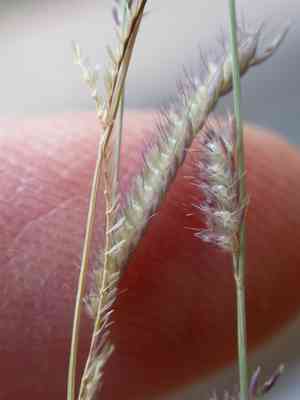
Six-weeks grama (Bouteloua barbata)
Also known as: Sixweeks grama, Six-weeks grama, Six Weeks Grama
There are three distinct varieties of this species. Var. barbata is an annual plant featuring decumbent stems that can root at the nodes. Var. rothrockii, occasionally classified as a separate species, is a perennial with upright stems. Lastly, var. sonorae, found only in northern Mexico, propagates through stolons.
In This Article
Attributes of Six-weeks grama
Lifespan
Perennial
Plant Type
Grass
Plant Height
4-24 inches
Spread
Approximately 6-12 inches
Leaf Color
Green
Flower Size
Small, typically less than 0.5 inch
Flower Color
Purplish or greenish, turning yellowish as it matures
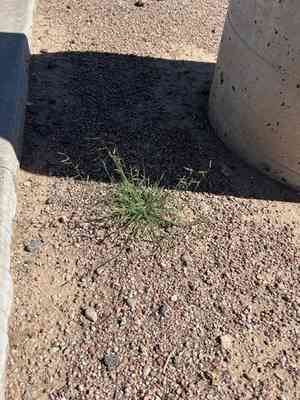
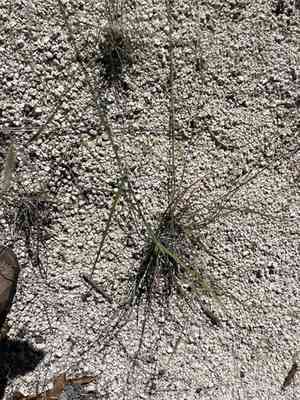
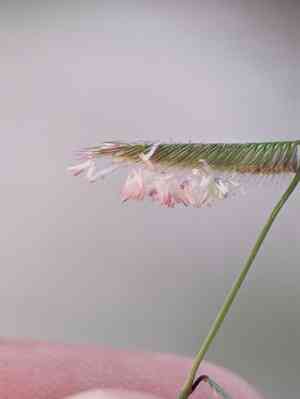
Images of Six-weeks grama
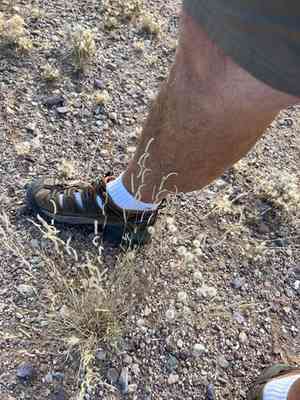
Quickly Identify Six-weeks grama
1
Bouteloua barbata can be identified by its short height, tufted growth habit, and the characteristic shape of its seed heads, which are typically small and grouped in terminal clusters. The seeds are oblong and the leaves are narrow and approximately 1-3 inches long.
Scientific Classification of Six-weeks grama
Phylum
Vascular plants
Class
Monocotyledons
Order
Poales
Family
Grass
Genus
Grama grasses
Species
Six-weeks grama
Planting and Growing of Six-weeks grama
Care Difficulty
Easy
Watering Schedule
Every 2 days
Sunlight Requirements
Full sun
Sunshine Duration
4-8 hours
Ideal Temperature
60-80℉
Soil Type
Potting Mix, Peat Mix
Soil pH
6.5-7.5
Fertilizer Type
Balanced
Pruning Season
Spring, Summer
Pruning Area
Branches, Leaves
Pruning Frequency
2 times a year
Repotting Season
Spring
Pot Type
Plastic, Ceramic
 How to Water Six-weeks grama?
When watering Bouteloua barbata, aim for approximately 200 ml each time. Ensure the soil is moistened evenly, but avoid waterlogging. The principle is to maintain a balanced moisture level, allowing the soil to dry slightly between waterings.
What are the symptoms of an underwatered Six-weeks grama?
›
What should I do if my Six-weeks grama is not getting enough water?
›
What are the symptoms of an overwatered Six-weeks grama?
›
How to save an overwatered Six-weeks grama?
›
 What Are the Sunlight Requirements for Six-weeks grama?
Bouteloua barbata prefers a full sun light range, receiving at least 8 hours of direct sunlight daily. Ideal light supports optimal growth, encouraging healthier foliage, robustness, and enhanced flowering performance.
What is the optimal lighting condition for Bouteloua barbata?
›
How can Bouteloua barbata get ideal sunlight?
›
Benefits of ideal lighting for Bouteloua barbata
›
 What Is the Ideal Temperature Range for Six-weeks grama?
The ideal temperature range for growing Bouteloua barbata is between 60°F and 80°F. This range provides optimal conditions for photosynthesis and growth, ensuring that the plant can maintain healthy metabolic activity. Within this range, the plant is less likely to experience stress and can grow vigorously.
 What Soil is Best for Six-weeks grama?
Bouteloua barbata thrives in well-drained soil conditions. This type of soil helps prevent root rot and other moisture-related diseases, allowing the plant to absorb nutrients effectively while also facilitating healthy growth. This grass adapts well to nutrient-poor soils, making it ideal for areas where rich, fertile soil is not present. Its ability to grow in less fertile grounds ensures that it can flourish without the need for frequent fertilization. Bouteloua barbata is well-suited to dry, drought-prone soils. This tolerance makes it a great choice for planting in arid environments, as the plant can maintain its vitality with minimal water.
 How to Fertilize Six-weeks grama?
For Bouteloua barbata, applying 1/4 strength liquid fertilizer or up to 1 pound of slow-release granules per 100 square feet of soil area is recommended to maintain healthy growth without overloading the plant with nutrients.
 How to Prune Six-weeks grama?
The ideal time to prune Bouteloua barbata is in early spring or late fall. Avoid pruning during extreme temperatures in midsummer or winter to minimize plant stress and ensure optimal recovery. Begin by identifying dead or diseased stems and leaves. Carefully remove these to prevent the spread of any potential diseases and to encourage new, healthy growth on the plant. Use sharp, clean shears to make precise cuts. Cut just above a node to encourage branching and bushier growth. Avoid cutting more than one-third of the plant at once to prevent shock.
More About Pruning Techniques→
 How to Propagate Six-weeks grama plant?
1
Spread the seeds evenly over moist soil in the seed trays. Ensure that the seeds are not buried too deep to allow sunlight to initiate the germination process.
2
Water the seeds gently to avoid washing them away. Maintain a consistent level of moisture in the soil without making it soggy.
3
Provide adequate sunlight by placing the trays in a sunny spot. The ideal temperature for Bouteloua barbata seed germination is around 20-25°C.
 How to Repot Six-weeks grama plant?
1
Bouteloua barbata should be repotted when the roots begin to emerge from the drainage holes, indicating excessive root growth. Furthermore, if the plant's growth seems stunted or the soil dries quickly after watering, it's time to consider repotting.
2
Choose a pot slightly larger than the current one, preferably with drainage holes to prevent waterlogging. A terracotta pot is excellent as it allows moisture to evaporate, preventing root rot. This ensures the plant’s roots have room to breathe and expand, promoting healthy growth.
3
Opt for a well-draining sandy soil mix. Such a mix prevents water from stagnating around the roots, which could lead to root rot. The soil's structure should be porous to allow for air circulation, crucial for root health and overall plant vigor.



