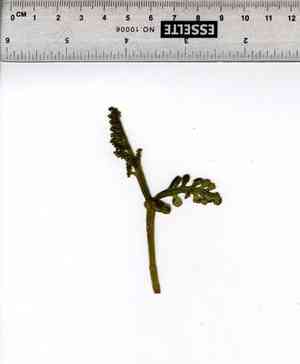
Spathulate botrychium (Botrychium spathulatum)
Also known as: Spathulate moonwort
Spathulate botrychium, known for its distinct lobed frond that emerges from an underground rhizome, flourishes in shaded forest environments. It prefers moist, nutrient-rich soils and benefits from the diffused light found beneath the forest canopy. This delicate fern also produces a separate, slender fertile stalk.
In This Article
Attributes of Spathulate botrychium
Lifespan
Perennial
Plant Type
Fern
Plant Height
10-20 cm
Spread
Not Applicable
Leaf Color
Green
Flower Size
Not Applicable
Flower Color
Not Applicable
Images of Spathulate botrychium
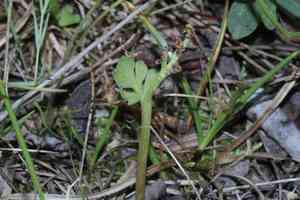
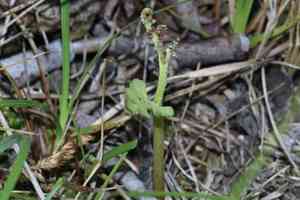
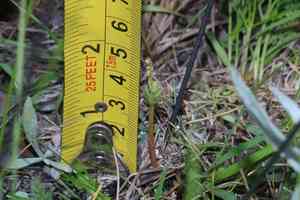
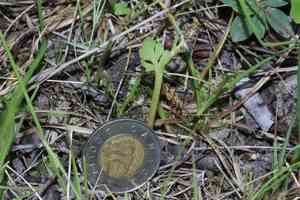
Quickly Identify Spathulate botrychium
1
Botrychium spathulatum can be identified by its small, thick fronds and the sporangia clustered on stalked reproductive structures. The sterile fronds are typically broader and more spathulate (spoon-shaped).
Scientific Classification of Spathulate botrychium
Phylum
Vascular plants
Class
Psilotopsida
Order
Ophioglossales
Family
Adder's-tongue
Genus
Moonworts
Species
Spathulate botrychium
Planting and Growing of Spathulate botrychium
Care Difficulty
Hard
Watering Schedule
Every 2 days
Sunlight Requirements
Full shade
Sunshine Duration
6-12 hours
Ideal Temperature
60-75℉
Soil Type
Potting Mix, Peat Mix
Soil pH
6.5-7.5
Fertilizer Type
Balanced
Pruning Season
Spring, Summer
Pruning Area
Branches, Leaves
Pruning Frequency
Once a year
Repotting Season
Spring
Pot Type
Plastic, Ceramic
 How to Water Spathulate botrychium?
For Botrychium spathulatum, the recommended watering amount is about 150 milliliters per session. This ensures that the soil remains evenly moist but not saturated. It is essential to water until the surface feels consistently damp, but avoid allowing the plant to sit in standing water, which can lead to root rot.
What are the symptoms of an underwatered Spathulate botrychium?
›
What should I do if my Spathulate botrychium is not getting enough water?
›
What are the symptoms of an overwatered Spathulate botrychium?
›
How to save an overwatered Spathulate botrychium?
›
 What Are the Sunlight Requirements for Spathulate botrychium?
Partial shade or dappled sunlight is ideal for Botrychium spathulatum, promoting robust, healthy frond growth while minimizing the risk of sun damage. These conditions support consistent energy and water distribution throughout the plant.
Optimal Light Level
›
Benefits of Ideal Light
›
Solutions for Ideal Light
›
 What Is the Ideal Temperature Range for Spathulate botrychium?
The ideal temperature range for growing Botrychium spathulatum is between 60°F and 75°F. This range provides a moderate climate that supports photosynthesis and healthy growth without causing stress to the plant. Maintaining this temperature ensures optimal physiological processes.
 What Soil is Best for Spathulate botrychium?
Botrychium spathulatum thrives in well-drained soil to prevent waterlogging, which can lead to root rot. Ensuring good drainage helps the roots breathe and enhances overall plant health. This plant prefers soil that is not overly rich in nutrients. A balance is ideal, where the soil supports growth without causing excessive foliage at the expense of plant structure. While good drainage is important, the soil should also retain adequate moisture to support the plant's hydration, providing a consistent environment that ensures steady plant development.
 How to Fertilize Spathulate botrychium?
For Botrychium spathulatum, it's important to apply fertilizer at a modest rate. When using liquid fertilizer, dilute it by half to provide the nutrients without overwhelming the plant. For slow-release fertilizers, use approximately 1 tablespoon per square foot to maintain balanced growth.
 How to Prune Spathulate botrychium?
Start by identifying fronds that are brown, yellowed, or damaged. These are the ones you'll want to remove first. Approach the plant from different angles to ensure you've identified all areas requiring attention. Using clean, sharp scissors or pruners, cut the problematic fronds at their base, close to the main stem. Take care not to damage the healthy parts of the plant while doing so. After pruning, monitor the plant closely for any signs of stress, such as wilting or additional frond discoloration. Ensure proper watering and light conditions to help the plant recover and thrive.
More About Pruning Techniques→
 How to Propagate Spathulate botrychium plant?
1
Carefully collect sporangia from mature parts of the plant, usually in late summer when they are most abundant. Ensure that spores are collected in a dry environment to preserve viability.
2
Prepare a sterile growth medium using equal parts peat and sand. Moisten the medium thoroughly without making it waterlogged, ensuring it is ready for spore sowing or division planting.
3
Gently dig around the plant and lift the root clump. Use a sharp knife to divide the clump into sections, each with a good balance of roots and foliage, and replant quickly to prevent drying out.
 How to Repot Spathulate botrychium plant?
1
Botrychium spathulatum shows signals that it's time for repotting when its growth slows down or roots start to appear from the drainage holes. Ideally, repot during Spring and early Summer when the plant is in active growth, which allows it to recover quickly in its new pot.
2
Select a pot with adequate drainage, such as a terracotta or ceramic pot with holes at the bottom. The pot should be slightly larger than the current one to accommodate root expansion but not too large to prevent water pooling. A correctly sized pot helps maintain optimal moisture levels for healthy growth.
3
Choose a well-draining loamy soil to ensure adequate moisture retention while allowing excess water to escape. Such soil prevents root rot and provides the necessary nutrients for Botrychium spathulatum's growth. Using the right mix ensures the plant maintains its vigor and health throughout the year.



