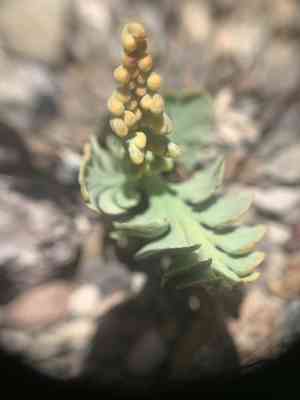
Crater lake grapefern (Botrychium pumicola)
Also known as: Pumice grape fern
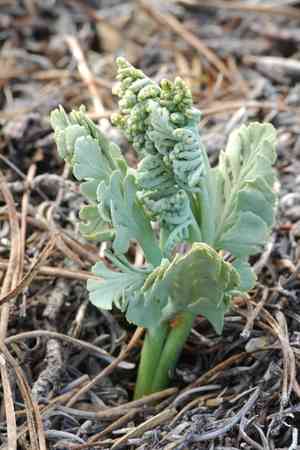
The Crater Lake grapefern (Botrychium pumicola) is a small, perennial fern characterized by its delicate appearance. Its young fiddleheads open into triangular, segmented fronds. This fern is specially adapted to grow in volcanic soils, allowing it to flourish in rugged environments, showcasing its resilience and unique ecological niche.
In This Article
Attributes of Crater lake grapefern
Lifespan
Perennial
Plant Type
Fern
Plant Height
Under 10 cm
Spread
N/A
Leaf Color
Bluish-green
Flower Size
N/A (Ferns do not produce flowers)
Flower Color
N/A
Images of Crater lake grapefern
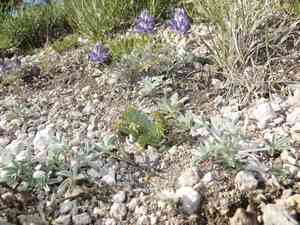
Quickly Identify Crater lake grapefern
1
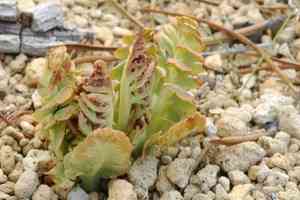
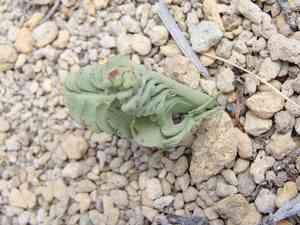
This fern can be identified by its small size, typically less than 10 cm in height, and its unique habitat in pumice soils. The leaves are fan-shaped with a glaucous, bluish tint.
Scientific Classification of Crater lake grapefern
Phylum
Vascular plants
Class
Psilotopsida
Order
Ophioglossales
Family
Adder's-tongue
Genus
Moonworts
Species
Crater lake grapefern
Planting and Growing of Crater lake grapefern
Care Difficulty
Hard
Watering Schedule
Every day
Sunlight Requirements
Partial sun
Sunshine Duration
4-8 hours
Ideal Temperature
55-75℉
Soil Type
Potting Mix, Peat Mix
Soil pH
6.5-7.5
Fertilizer Type
Balanced
Pruning Season
Spring, Summer
Pruning Area
Branches, Leaves
Pruning Frequency
2 times a year
Repotting Season
Spring
Pot Type
Plastic, Ceramic
 How to Water Crater lake grapefern?
The watering amount for Botrychium pumicola should be moderate. Ensure that the soil is lightly moist but not soggy, as excess water can harm the plant's delicate root system. Usually, watering with around 100 milliliters per session suffices, but always check the soil moisture first.
What are the symptoms of an underwatered Crater lake grapefern?
›
What should I do if my Crater lake grapefern is not getting enough water?
›
What are the symptoms of an overwatered Crater lake grapefern?
›
How to save an overwatered Crater lake grapefern?
›
 What Are the Sunlight Requirements for Crater lake grapefern?
Botrychium pumicola thrives in partial sun with 3 to 5 hours of light daily. This balanced exposure fosters robust growth and vibrant foliage by optimizing photosynthesis while minimizing light stress and dehydration risk.
What is the ideal amount of sunlight for Botrychium pumicola?
›
How can I achieve ideal sunlight conditions for Botrychium pumicola?
›
What are the benefits of ideal lighting conditions for Botrychium pumicola?
›
 What Is the Ideal Temperature Range for Crater lake grapefern?
The ideal temperature range for Botrychium pumicola is between 55°F and 75°F. This range supports optimal physiological processes, including nutrient uptake and growth rate. These temperatures mimic the plant's natural habitat, ensuring that the cellular processes perform efficiently, which leads to a healthy plant.
 What Soil is Best for Crater lake grapefern?
Botrychium pumicola thrives in well-draining soil that allows excess water to percolate, preventing root rot. Well-draining soil ensures the roots have access to both water and air, promoting vigorous growth. This plant prefers soil with moderate fertility levels. Soil that's too rich in nutrients can lead to excessive foliage growth at the expense of the delicate fronds, whereas balanced fertility supports healthy, sustainable development. Maintaining soil pH between 6.5 and 7.5 ensures optimal nutrient availability for Botrychium pumicola. This pH range supports the microbial activity needed for nutrient breakdown and absorption.
 How to Fertilize Crater lake grapefern?
When fertilizing Botrychium pumicola, one should apply a light hand. Given its natural habitat with lower nutrient levels, aim for about 1/4 strength of all-purpose liquid fertilizer per application. This ensures the plant remains healthy without overwhelming its root system.
 How to Prune Crater lake grapefern?
Begin your pruning session with the right tools. Use sharp scissors or small pruning shears to achieve clean cuts, which reduce trauma to the plant. Make sure your tools are clean to prevent the spread of disease. Gather a small rake or your hands to clear away debris, and always wear gloves to protect your hands from sharp edges or allergens. Start by examining the plant for dead or discolored fronds. Cut these fronds at the base, close to the soil, but avoid damaging any new shoots. Work your way around the plant methodically, ensuring you do not miss any hidden damaged fronds. If the plant is dense, thin it slightly for better air circulation, promoting a healthier environment for new growth. Avoid cutting any fronds that are still green and healthy, as they contribute to photosynthesis.
More About Pruning Techniques→
 How to Propagate Crater lake grapefern plant?
1
Begin by filling a seed tray with sterile potting mix. Scatter Botrychium pumicola seeds evenly across the surface and lightly cover them with a thin layer of soil, ensuring they remain in contact with the mix.
2
After sowing, water the seeds gently with a spray bottle to moisten the soil without dislocating the seeds. Keep the soil consistently moist but not waterlogged throughout the germination period.
3
Place the seed tray in a location with indirect sunlight. Botrychium pumicola seeds require light for germination, so ensure the area receives sufficient natural light while protecting the seeds from direct sun exposure.
 How to Repot Crater lake grapefern plant?
1
Botrychium pumicola should be repotted when you notice its roots straining against the pot walls or visibly protruding from the drainage holes. Other signs include a significant slowdown in growth or the soil compacting excessively. Although they prefer stability, repotting is essential when these circumstances arise to provide them space they desperately need.
2
Select a pot that is only slightly larger than the current one. A few extra centimeters in diameter will suffice as it encourages reasonable growth without overwhelming the plant. Ensure your chosen pot has ample drainage holes to prevent water accumulation which could lead to root rot.
3
Opt for a gritty, well-draining soil mix that replicates the natural rocky pumice conditions Botrychium pumicola thrives in. This soil type significantly benefits the plant by allowing rapid drainage of water while providing enough aeration around the roots, which is vital for their health.



