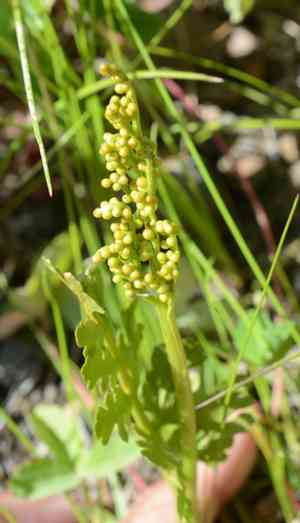
Northern moonwort (Botrychium pinnatum)
Also known as: Northern Moonwort
Northern moonwort (Botrychium pinnatum) is a fern characterized by its finely divided, lace-like fronds, which give it a delicate and intricate appearance. This plant thrives in moist, shaded environments such as woodlands, where it benefits from the protection of the canopy and the understory vegetation. These conditions help maintain the soil moisture levels essential for its growth. Northern moonwort often grows discreetly among other plants, shielding it from direct sunlight and preserving the humidity it requires.
In This Article
Attributes of Northern moonwort
Lifespan
Perennial
Plant Type
Fern
Plant Height
10-20 cm
Spread
N/A
Leaf Color
Green
Flower Size
N/A
Flower Color
N/A
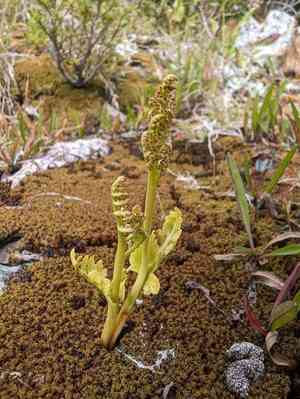
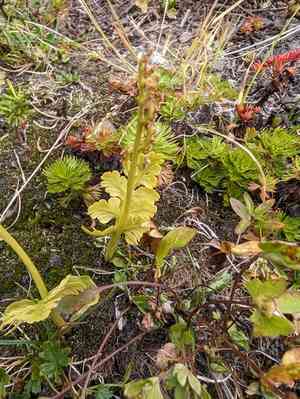
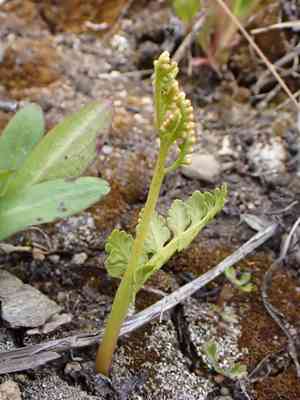
Images of Northern moonwort
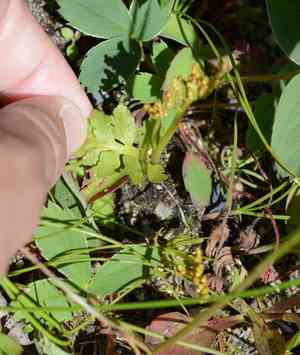
Quickly Identify Northern moonwort
1
Identifying Botrychium pinnatum involves looking for its distinctive pinnate (feather-like) leaves with narrow segments and a tall spore-producing spike. The leaves typically arise from a single, small stalk.
Scientific Classification of Northern moonwort
Phylum
Vascular plants
Class
Psilotopsida
Order
Ophioglossales
Family
Adder's-tongue
Genus
Moonworts
Species
Northern moonwort
Planting and Growing of Northern moonwort
Care Difficulty
Hard
Watering Schedule
Every 2 days
Sunlight Requirements
Partial sun
Sunshine Duration
6-10 hours
Ideal Temperature
60-75℉
Soil Type
Potting Mix, Peat Mix
Soil pH
6.5-7.5
Fertilizer Type
Balanced
Pruning Season
Spring, Summer
Pruning Area
Branches, Leaves
Pruning Frequency
2 times a year
Repotting Season
Spring
Pot Type
Plastic, Terracotta
 How to Water Northern moonwort?
Botrychium pinnatum, a unique and delicate fern, requires a mindful watering approach. The rule of thumb is to keep the soil slightly moist, never soggy, mimicking its natural habitat that enjoys consistent moisture without drowning the roots.
What are the symptoms of an underwatered Northern moonwort?
›
What should I do if my Northern moonwort is not getting enough water?
›
What are the symptoms of an overwatered Northern moonwort?
›
How to save an overwatered Northern moonwort?
›
 What Are the Sunlight Requirements for Northern moonwort?
Botrychium pinnatum thrives in partial sun to full shade. Ideal light helps maintain vibrant foliage, supports consistent growth patterns, and strengthens the plant's overall health.
How to Achieve Ideal Light?
›
Actions for Ideal Light Conditions
›
Benefits of Ideal Light
›
 What Is the Ideal Temperature Range for Northern moonwort?
Botrychium pinnatum thrives best in a temperate climate with temperatures ranging between 60°F and 75°F. This range supports optimal metabolic processes and ensures healthy growth and development of the plant.
 What Soil is Best for Northern moonwort?
Botrychium pinnatum thrives in well-drained soils, which prevents waterlogging and root rot. Well-draining conditions also ensure oxygen reaches the roots, facilitating robust growth and nutrient uptake. This plant benefits from soils with moderate organic matter, which aids in nutrient availability. Organic matter improves soil structure, holding moisture while allowing excess to drain away, creating a balanced environment. Botrychium pinnatum prefers soils that maintain moderate moisture. Consistent moisture avoids stress from drought while preventing fungal growth that can occur in excessive humidity.
 How to Fertilize Northern moonwort?
For Botrychium pinnatum, use a balanced 10-10-10 liquid fertilizer diluted to half strength, applying approximately 1 cup per plant base. Ensure the soil is evenly moist but not waterlogged to prevent root burn.
 How to Prune Northern moonwort?
When pruning Botrychium pinnatum, use sharp and clean scissors or pruning shears to carefully remove dead or damaged fronds. Begin by inspecting the plant for any yellow or brown leaves, as these are often indicators of fronds that are ready to be pruned. Make clean cuts to avoid tearing the plant tissue, which can lead to disease. Focus on maintaining the natural shape of the plant by only removing the necessary fronds. Avoid over-pruning, as this can stress the plant and stunt its growth. Aim to keep the Botrychium pinnatum looking neat and tidy while ensuring that its characteristic delicate appearance is preserved.
More About Pruning Techniques→
 How to Propagate Northern moonwort plant?
1
Collect the mature spores from the fertile fronds of Botrychium pinnatum. This should be done carefully to avoid damage to the plant. Ensure that the spores are fully matured, and store them in a cool, dry place until they're ready to be sown.
2
Sow the collected spores onto a sterilized substrate in propagation trays. Lightly mist the substrate to keep it moist but not waterlogged. Place the trays in a location with indirect sunlight and maintain a warm ambient temperature for optimal germination.
3
During division propagation, gently separate the rhizomes ensuring each segment has a few fronds and roots. Replant the divisions in a shaded area with moist, well-drained soil, ensuring adequate spacing for growth.
 How to Repot Northern moonwort plant?
1
Botrychium pinnatum needs repotting when it becomes root-bound, which is evident by roots growing out of the drainage holes, diminished growth, or when the soil becomes compacted and water-logged. These signals typically appear in the spring or summer, offering the best window to transfer your plant to a larger container.
2
Choose a pot that is slightly larger than the current one, with ample drainage holes. A pot that's 1-2 inches wider in diameter will ensure the rhizome has enough room to grow, preventing overcrowding and supporting healthy root development, which leads to a robust plant.
3
Opt for a moist, well-draining soil mix that is rich in organic matter. Such soil balances moisture retention and drainage perfectly and provides essential nutrients, mimicking the plant's natural forest floor habitat, which promotes healthy growth and prevents root rot.



