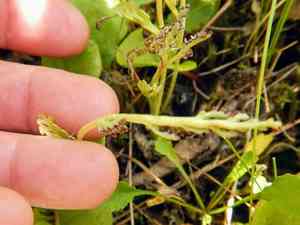
Pale botrychium (Botrychium pallidum)
Also known as: Pale Moonwort
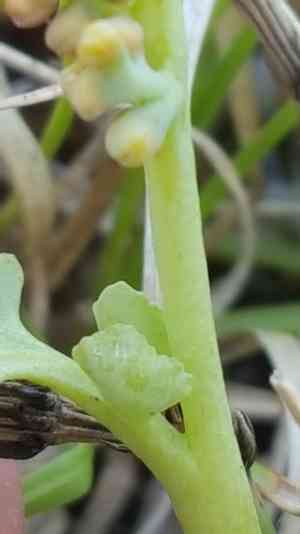
Pale botrychium is a delicate fern characterized by its light green, triangular fronds with finely divided leaflets, giving it a lacy look. This plant is notable for its spore-bearing structures that grow among the leaflets, essential for its reproduction. It usually thrives in moist, shaded environments with rich, well-drained soil, reflecting its need for a stable and nurturing habitat to prosper.
In This Article
Attributes of Pale botrychium
Lifespan
Perennial
Plant Type
Fern
Plant Height
10 to 20 cm
Spread
Not applicable as it has a single upright leaf
Leaf Color
Pale Green
Flower Size
Not applicable, reproduces via spores
Flower Color
Not applicable
Images of Pale botrychium
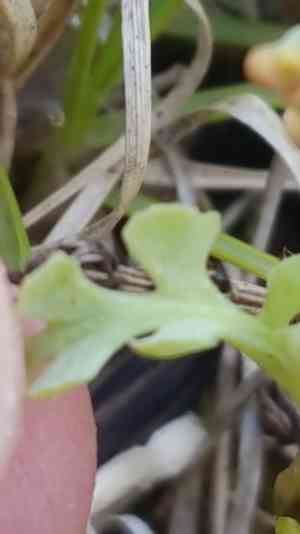
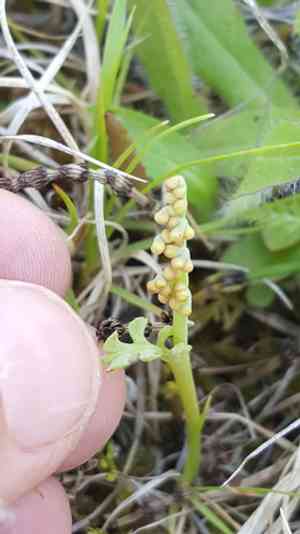
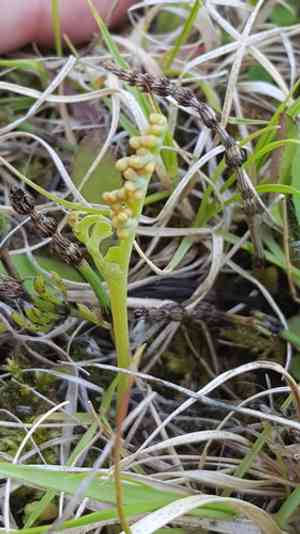
Quickly Identify Pale botrychium
1
It can be identified by its segmented fronds with a pale green, almost translucent appearance. The plant typically has a single leaf divided into a sterile and a fertile segment.
Scientific Classification of Pale botrychium
Phylum
Vascular plants
Class
Psilotopsida
Order
Ophioglossales
Family
Adder's-tongue
Genus
Moonworts
Species
Pale botrychium
Planting and Growing of Pale botrychium
Care Difficulty
Hard
Watering Schedule
Every 2 days
Sunlight Requirements
Partial sun
Sunshine Duration
6-10 hours
Ideal Temperature
60-75℉
Soil Type
Potting Mix, Peat Mix
Soil pH
6.5-7.5
Fertilizer Type
Balanced
Pruning Season
Spring, Summer
Pruning Area
Branches, Leaves
Pruning Frequency
2 times a year
Repotting Season
Spring
Pot Type
Ceramic, Plastic
 How to Water Pale botrychium?
For Botrychium pallidum, a delicate balance in moisture is key. Ensure the soil is evenly moist but not waterlogged. Use 100ml of water per session, enough to moisten the topsoil without soaking through.
What are the symptoms of an underwatered Pale botrychium?
›
What should I do if my Pale botrychium is not getting enough water?
›
What are the symptoms of an overwatered Pale botrychium?
›
How to save an overwatered Pale botrychium?
›
 What Are the Sunlight Requirements for Pale botrychium?
Partial sun exposure ensures Botrychium pallidum thrives by balancing its light needs. Adequate sunlight aids photosynthesis, resulting in strong growth and vibrant fronds.
What is the ideal lighting setup for Botrychium pallidum?
›
How can I create optimal lighting conditions for this plant indoors?
›
What are the benefits of providing the ideal lighting conditions?
›
 What Is the Ideal Temperature Range for Pale botrychium?
Botrychium pallidum thrives best in temperatures ranging from 60°F to 75°F. In this range, the plant can efficiently carry out photosynthesis and absorb essential nutrients, leading to vigorous growth. Ensuring the environment remains within this range maximizes the ornamental value and health of the plant.
 What Soil is Best for Pale botrychium?
Botrychium pallidum thrives in soil that retains moisture well without becoming waterlogged, which helps ensure the roots receive constant hydration necessary for healthy growth. This plant prefers soil rich in organic matter, as it provides essential nutrients for sustained growth and development. Well-drained soil is crucial for Botrychium pallidum, as it prevents root rot and other diseases that could occur if the roots are left in standing water.
 How to Fertilize Pale botrychium?
When it comes to Botrychium pallidum, it's essential to be cautious with the amount of fertilizer used. For liquid fertilizers, apply a solution diluted to approximately one-quarter strength to avoid overwhelming the plant. For slow-release fertilizers, using a small handful sprinkled around the base of the plant can suffice, as this species thrives in low-nutrient environments.
 How to Prune Pale botrychium?
Begin by identifying any dead or yellowing fronds, which can be removed to prevent any disease from spreading. Use sharp, clean scissors or pruning shears to cut these fronds at their base where they meet the stem. Maintain the plant's natural shape by selectively removing any fronds that are crossing or crowding the plant. This opens up the center of the plant to more light and air, reducing the risk of mildew and promoting vibrant growth.
More About Pruning Techniques→
 How to Propagate Pale botrychium plant?
1
Carefully collect mature spores by harvesting sporangia from healthy plants and gently shaking them to release the spores onto a clean sheet of paper.
2
Sprinkle the spores evenly onto the surface of the prepared sterile potting mix without covering them, as they require light to germinate.
3
Maintain a consistent level of humidity by covering the container with clear plastic or a glass lid, ensuring to mist the surface regularly to keep it moist.
 How to Repot Pale botrychium plant?
1
Botrychium pallidum should be repotted when you observe signs such as roots appearing on the surface or through the drainage holes. If the growth appears stunted or the soil dries out too quickly, these are also indicators that it's time to refresh the growing environment. These signs ensure that the plant is not root-bound and has adequate nutrients.
2
Select a pot that is one size larger than the current one and has adequate drainage holes to prevent waterlogging. Opting for a pot with good drainage helps prevent root diseases and supports healthier growth. Ensure the pot is deep enough to accommodate the root system without crowding.
3
A well-aerated, loamy soil mixture with good drainage properties is ideal for Botrychium pallidum. Such soil allows for adequate root ventilation and prevents water from accumulating, thus reducing the risk of root rot. A balance of moisture retention and aeration fosters a thriving environment for plant roots.



