Palmyra palms (Borassus)(Borassus)

Palmyra palms (Borassus) (Borassus)

Also known as: Palmyra Palm, Toddy Palm, Sugar Palm

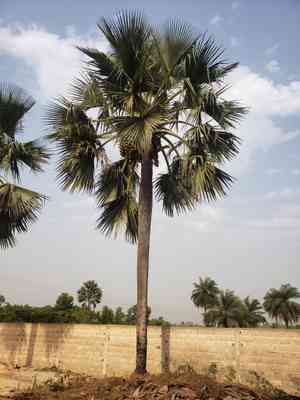
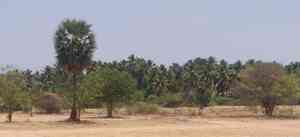
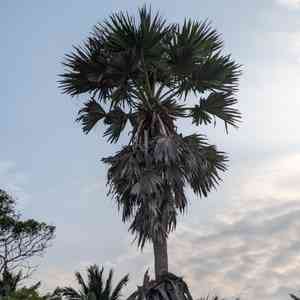
Palmyra palms, known scientifically as a genus of fan palms, are indigenous to tropical areas of Africa, Asia, and New Guinea. These tall palms can reach heights of up to 30 meters and feature sturdy trunks marked by distinct leaf scars. Their fan-shaped leaves measure between 2 to 3 meters in length, and most species have spines along the petiole edges, except for B. heineanus. The palms are dioecious, meaning male and female flowers grow on separate plants. The fruits are spherical, ranging in size from 15 to 25 cm in diameter, and contain 1 to 3 large seeds. Depending on the species, the fruit color varies from black and brown to yellow and orange.

Attributes of Palmyra palms (Borassus)

Lifespan
Perennial
Plant Height
Up to 30 meters (98 feet)
Spread
8-10 meters (26-33 feet)
Leaf Color
Green
Flower Size
5-7.5 cm (2-3 inches)
Flower Color
Yellowish

ForwardPlant - Identify plants with a snap

Identify and diagnose plants, get toxicity alerts, and explore safety guides for all types of fungi.

Try for Free

Images of Palmyra palms (Borassus)

Palmyra palms (Borassus)(Borassus)

Quickly Identify Palmyra palms (Borassus)

1
Borassus palms can be identified by their large, fan-shaped leaves, stout trunks, and prominent leaf scars. The trunk is typically straight and unbranched, covered with old leaf bases.

Scientific Classification of Palmyra palms (Borassus)

Phylum
Magnoliophyta
Class
Liliopsida
Order
Arecales
Family
Arecaceae
Genus
Borassus

Planting and Growing of Palmyra palms (Borassus)

Care Difficulty
Hard
Watering Schedule
Every 2 days
Sunlight Requirements
Full sun
Sunshine Duration
6-10 hours
Ideal Temperature
75-90℉
Soil Type
Potting Mix, Peat Mix
Soil pH
6.5-7.5
Fertilizer Type
Balanced
Pruning Season
Spring, Summer
Pruning Area
Branches, Leaves
Pruning Frequency
2 times a year
Repotting Season
Spring
Pot Type
Plastic, Ceramic

water icon How to Water Palmyra palms (Borassus)?

For Borassus, water them thoroughly but not excessively, following the principle of deep soaking. This means ensuring that the water penetrates the soil down to the roots, approximately 500 ml per watering session. This ensures that the roots receive adequate moisture without causing waterlogging.
What are the symptoms of an underwatered Palmyra palms (Borassus)? ›
What should I do if my Palmyra palms (Borassus) is not getting enough water? ›
What are the symptoms of an overwatered Palmyra palms (Borassus)? ›
How to save an overwatered Palmyra palms (Borassus)? ›

sunlight icon What Are the Sunlight Requirements for Palmyra palms (Borassus)?

Sunlight Requirements: Full sun
Duration of light: 8-10 hours daily
Borassus prefers full sun conditions. Ideal lighting ensures the palm's leaves are robust, aiding in nutrient synthesis, and fostering optimal growth conditions.
What is the optimal sunlight for Borassus? ›
How can I ensure my Borassus receives its ideal lighting? ›
What are the benefits of ideal lighting for Borassus? ›

temperature icon What Is the Ideal Temperature Range for Palmyra palms (Borassus)?

Ideal Temperature: 75 ~ 90℉
Borassus species thrive in tropical climates where temperatures range between 75°F and 90°F. This range ensures optimal cell function and growth, as these temperatures mimic the plant's natural habitat.

soil icon What Soil is Best for Palmyra palms (Borassus)?

Soil type: Sandy soil, Loam
Soil PH: 6.5 ~ 7.5
Borassus prefers well-draining soils that prevent waterlogging and allows roots to breathe. This is crucial for avoiding root rot and promoting healthy growth. Soils enriched with organic matter are ideal as they provide essential nutrients for Borassus to thrive. This enriches the soil's fertility and supports robust plant growth. Aerated soil is vital for Borassus because it facilitates root expansion and nutrient absorption. Increased soil oxygen levels foster a healthier root system and vigorous plant development.

fertilize icon How to Fertilize Palmyra palms (Borassus)?

Fertilizer type: Balanced
For Borassus palms, it's recommended to use about half a cup of liquid fertilizer per plant when applying. Additionally, for slow-release fertilizers, use two to four ounces per plant annually, depending on plant size and soil fertility levels.

prune icon How to Prune Palmyra palms (Borassus)?

Pruning Time: Autumn, Winter
Be aware that palms can release a sticky sap when cut. This can stain clothing and attract pests if not managed properly. Do not cut too close to the trunk as this can injure the plant. Leave a small stub to ensure regrowth and prevent trunk damage.

propagate icon How to Propagate Palmyra palms (Borassus) plant?

Propagate Time: Spring, Early summer
1
First, Borassus seeds need to be soaked in water for 24-48 hours to soften the seed coat. This process helps to speed up germination by allowing moisture to penetrate the seed more effectively.
2
After preparation, sow the seeds in seedling trays filled with a quality potting mix. Make a shallow hole, place the seed, and cover lightly with soil. Ensure the seeds are spaced adequately to prevent overcrowding.
3
Place the trays in a warm, bright location but out of direct sunlight. Maintain a consistent temperature between 25-30°C (77-86°F) for optimal germination. Water regularly to keep the soil moist but never waterlogged.

repot icon How to Repot Palmyra palms (Borassus) plant?

Repotting frequency: Once every 2-3 years
1
Borassus shows signs like roots emerging from drainage holes or slowed growth when it needs repotting. These indicators, typically visible in spring, signal that the plant requires more space or nutrients.
2
Select a pot that's one size larger than the current one, with ample drainage holes. Ensuring space for growth and proper drainage helps prevent root rot, fostering a healthier, more robust plant.
3
Opt for a sandy, well-draining soil mix to mimic Borassus's natural habitat. This choice facilitates optimal water retention without water stagnation, supporting the plant's root health and growth.

ForwardPlant - Identify plants with a snap

Find the best spots for them to optimize their health, simply using your phone.

Try for Free