Bontia (Bontia) (Bontia)
Also known as: None
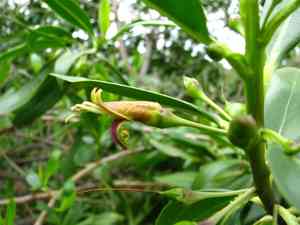
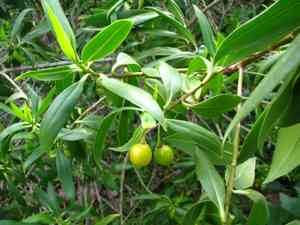
Bontia is a monotypic genus of flowering plants in the family Scrophulariaceae. The only species it contains is Bontia daphnoides, commonly known as wild olive or wild boxwood. It is native to the Caribbean region and some parts of Central and South America.
In This Article
Attributes of Bontia (Bontia)
Lifespan
Perennial
Plant Height
2-4 meters
Spread
1-3 meters
Leaf Color
Green
Flower Size
1-2 cm
Flower Color
White to pale pink
Images of Bontia (Bontia)
Quickly Identify Bontia (Bontia)
1
Bontia can be identified by its evergreen, leathery leaves and small, white to pale pink flowers which are tubular in shape. The plant features a bushy growth habit and is often found in coastal habitats.
Scientific Classification of Bontia (Bontia)
Phylum
Tracheophyta
Class
Magnoliopsida
Order
Lamiales
Family
Scrophulariaceae
Genus
Bontia
Planting and Growing of Bontia (Bontia)
Care Difficulty
Moderate
Watering Schedule
Every 2 days
Sunlight Requirements
Full sun
Sunshine Duration
4-6 hours
Ideal Temperature
70-85℉
Soil Type
Potting Mix, Peat Mix
Soil pH
6.5-7.5
Fertilizer Type
Balanced
Pruning Season
Spring, Summer
Pruning Area
Branches, Leaves
Pruning Frequency
2 times a year
Repotting Season
Spring
Pot Type
Plastic, Ceramic
 How to Water Bontia (Bontia)?
For Bontia, ensure the soil is thoroughly soaked until water drains from the bottom of the pot. This ensures moisture reaches the root zone, crucial for its health. Allow the soil surface to dry before the next watering to prevent waterlogging.
What are the symptoms of an underwatered Bontia (Bontia)?
›
What should I do if my Bontia (Bontia) is not getting enough water?
›
What are the symptoms of an overwatered Bontia (Bontia)?
›
How to save an overwatered Bontia (Bontia)?
›
 What Are the Sunlight Requirements for Bontia (Bontia)?
Full sun exposure is ideal for Bontia, promoting robust growth and vibrant foliage. Access to ample light ensures efficient photosynthesis and supports the plant’s structural and physiological development.
What is the preferred light intensity for Bontia?
›
How can I achieve the ideal light conditions for Bontia?
›
What are the benefits of optimal lighting for Bontia?
›
 What Is the Ideal Temperature Range for Bontia (Bontia)?
The ideal temperature range for the growth of Bontia is between 70°F to 85°F. Within this range, the plant can photosynthesize efficiently and uptake nutrients from the soil without stress. Maintaining this temperature range helps in robust leaf and flower development.
 What Soil is Best for Bontia (Bontia)?
Bontia thrives in soil that is rich in nutrients, which supports vigorous growth and lush foliage. Utilizing organic compost or well-rotted manure as soil amendments can dramatically enhance nutrient availability. The roots of Bontia require soil that does not retain excess moisture to prevent root rot. Opting for loamy soil with a good balance of sand ensures proper drainage while retaining essential moisture and nutrients. Although Bontia prefers well-draining soil, it's crucial to strike a balance wherein the soil retains enough moisture. Adding organic matter can improve moisture retention whilst preventing waterlogging.
 How to Fertilize Bontia (Bontia)?
For Bontia, use a balanced fertilizer with an N-P-K ratio of 10-10-10. Apply liquid fertilizer at a strength of 1/4 teaspoon per gallon of water. Slow-release granules should be scattered at a rate of 1 tablespoon per square foot.
 How to Prune Bontia (Bontia)?
Start by removing any dead, damaged, or diseased stems. This helps to stop the spread of disease and encourages healthy new growth. Trim the outer stems back to maintain the desired shape. This may involve reducing excess growth that alters the symmetry of the plant. Prune internal branches to allow better air circulation and sunlight penetration. This reduces the risk of fungal infections and promotes a healthier plant.
 How to Propagate Bontia (Bontia) plant?
1
Collect robust seeds from healthy Bontia plants. Soak the seeds in room temperature water for 24 hours to soften their outer shell, which enhances germination rates.
2
Select semi-hardwood stem cuttings, ideally 4-6 inches in length. Ensure each cutting has at least two leaf nodes, removing the leaves from the lower node to facilitate rooting.
3
For seeds, scatter them evenly on moistened soil in trays, cover lightly with soil. For cuttings, insert the lower end in moist soil or water. Maintain consistent moisture without over-watering.
 How to Repot Bontia (Bontia) plant?
1
In ‘Bontia,’ look for slow growth, root-bound conditions, or a compacted soil surface as signals for repotting. Typically, this need arises every two years or when the plant seems pot-bound, indicating its roots have outgrown their container.
2
Select a pot that is one size larger than the current one, with ample drainage holes. A pot that is too big can hold excess moisture, which may lead to root rot, while the right-sized pot promotes optimal root growth and healthier plant development.
3
Use a well-draining sandy soil mix to ensure proper aeration and moisture management. This soil type allows for excess water to drain easily, preventing the roots from rotting while still retaining enough moisture for healthy plant growth.
Learn More About Bontia (Bontia) Diseases
Anthracnose
Bacterial Leaf Spot
Bacterial Soft Rot
Bacterial Wilt
Black Spot
Chemical Injury
Crown Gall
Cyst Nematode
Damping-off
Downy Mildew
Drought Stress
Fusarium Wilt
Gray Mold
Leaf Curl
Leaf Spot
Mosaic
Nutrient Deficiency
Nutrient Toxicity
Powdery Mildew
Root Rot
Root-knot Nematode
Rusts
Sooty Mold
Spider Mites
Temperature Stress
Thrips Damage
White Mold

