Bombycilaena (Bombycilaena) (Bombycilaena)
Also known as: False cudweed
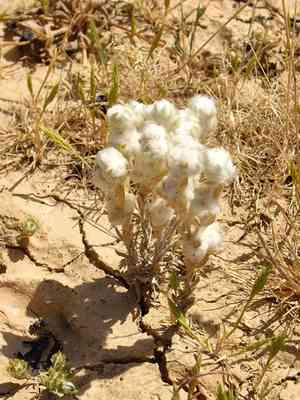
Bombycilaena are distinctive for their small size and unique, fuzzy appearance, often likened to cotton. These annual plants are densely covered in hairs, which give them their characteristic woolly look. Although the genus is relatively small, its distribution is quite broad, primarily spanning the Mediterranean region and extending into parts of Europe and North Africa. Some species have also been identified in North America. Typically found in dry, open areas such as grasslands and rocky terrains, Bombycilaena plants are well-adapted to arid conditions and poor soils.
In This Article
Attributes of Bombycilaena (Bombycilaena)
Lifespan
Perennial
Plant Height
Around 5-15 cm
Spread
Small tufts, not applicable
Leaf Color
Green to gray-green, often appearing woolly
Flower Size
Approximately 2-3 mm
Flower Color
White to yellowish
Images of Bombycilaena (Bombycilaena)
Quickly Identify Bombycilaena (Bombycilaena)
1
Recognizing Bombycilaena involves noting their woolly or cottony appearance, small height, and the presence of small clustered flower heads.
Scientific Classification of Bombycilaena (Bombycilaena)
Phylum
Magnoliophyta
Class
Magnoliopsida
Order
Asterales
Family
Asteraceae
Genus
Bombycilaena
Planting and Growing of Bombycilaena (Bombycilaena)
Care Difficulty
Moderate
Watering Schedule
Every 2 days
Sunlight Requirements
Partial sun
Sunshine Duration
4-8 hours
Ideal Temperature
65-75℉
Soil Type
Potting Mix, Peat Mix
Soil pH
6.5-7.5
Fertilizer Type
Balanced
Pruning Season
Spring, Summer
Pruning Area
Branches, Leaves
Pruning Frequency
Once a year
Repotting Season
Spring
Pot Type
Plastic, Ceramic
 How to Water Bombycilaena (Bombycilaena)?
For Bombycilaena, a plant native to arid regions, watering should be done thoughtfully. Each time you water, ensure the soil is moistened but not waterlogged—approximately 150 ml should suffice. The key is moderation, allowing the soil to dry out between waterings.
What are the symptoms of an underwatered Bombycilaena (Bombycilaena)?
›
What should I do if my Bombycilaena (Bombycilaena) is not getting enough water?
›
What are the symptoms of an overwatered Bombycilaena (Bombycilaena)?
›
How to save an overwatered Bombycilaena (Bombycilaena)?
›
 What Are the Sunlight Requirements for Bombycilaena (Bombycilaena)?
Bombycilaena thrives with partial sun exposure, benefiting from dappled light that enhances its ability to photosynthesize effectively, leading to lush growth.
How does Bombycilaena thrive best?
›
How can you achieve ideal lighting for Bombycilaena?
›
What are the benefits of ideal lighting for Bombycilaena?
›
 What Is the Ideal Temperature Range for Bombycilaena (Bombycilaena)?
The ideal temperature range for growing Bombycilaena is between 65°F to 75°F. This range supports optimal metabolic processes, ensuring healthy growth and vibrant foliage. Maintaining these temperatures also minimizes stress on the plant, which can occur from fluctuations. Aim for consistent temperatures to achieve the best results.
 What Soil is Best for Bombycilaena (Bombycilaena)?
Bombycilaena thrives in well-drained soil as it prevents waterlogging, reducing the risk of root rot. A soil with good drainage allows air to reach the roots for healthier growth. Rich organic matter in the soil is beneficial for Bombycilaena, providing essential nutrients that promote lush growth and vibrant foliage. Regular addition of compost can help maintain soil fertility. Maintaining moderate soil moisture levels is crucial for Bombycilaena. It supports consistent growth without the stress of drought or overwatering, leading to a healthier plant overall.
 How to Fertilize Bombycilaena (Bombycilaena)?
For Bombycilaena, apply liquid fertilizer sparingly. Use a diluted solution, typically about half the recommended strength on the label, to avoid overwhelming the plant. A volume of around 100 to 150 ml per application should suffice, ensuring adequate nutrient supply without risking nutrient burn.
 How to Prune Bombycilaena (Bombycilaena)?
Begin by inspecting the plant for any dead or wilted foliage and branches. Use sterilized pruning scissors to cut these parts off at a 45-degree angle, close to the base of the plant. Ensure to make clean cuts to avoid infecting the plant with diseases. Trim back overgrown branches to encourage the plant to spread out evenly. Make sure to step back periodically and assess the plant's shape for a symmetrical appearance.
 How to Propagate Bombycilaena (Bombycilaena) plant?
1
Fill a seed tray with a well-draining seed-starting mix. Ensure that the mix is moistened before sowing the seeds of Bombycilaena to promote successful germination.
2
Use the pruning shears to take cuttings from healthy mother plants. Select non-flowering stems, as they have more energy for root development compared to stems with flowers.
3
Sow the Bombycilaena seeds evenly across the seed tray. Cover them lightly with a layer of vermiculite or fine compost, and maintain a warm environment to facilitate germination.
 How to Repot Bombycilaena (Bombycilaena) plant?
1
Bombycilaena indicates the need for repotting when you observe its roots begin to circle around the pot's interior or when you notice a significant slowdown in its growth. Repotting during its growing seasons ensures the plant has optimum conditions to adapt to its new environment.
2
Select a pot that is slightly larger than the current one, ideally with good drainage holes. A pot that is too large can retain excess water, leading to root rot, while a pot that is too small can stunt growth. The right size helps balance moisture and allows for steady growth.
3
Opt for a well-draining sandy soil mix that mimics its natural habitat conditions. This soil will ensure adequate drainage, preventing waterlogging and promoting healthy root development. It also allows proper air circulation around the roots.

