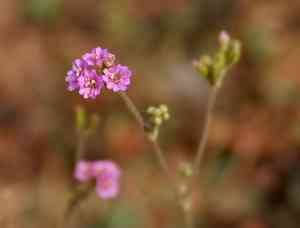
Spiderlings (Boerhavia) (Boerhavia)
Also known as: Spiderling, Hogweed
The Spiderlings plant, a herbaceous annual or perennial, is native to southwestern North America and Africa. Known for its spidery-patterned slender stems, it thrives in warm, tropical climates. This plant is versatile and can be used for various purposes, including foraging.
In This Article
Attributes of Spiderlings (Boerhavia)
Lifespan
Perennial
Plant Height
20-50 cm
Spread
20-50 cm
Leaf Color
Green
Flower Size
0.5-1 cm
Flower Color
Pink, White
Images of Spiderlings (Boerhavia)
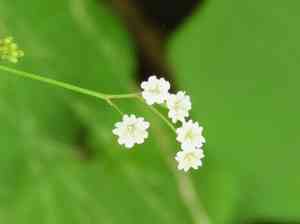
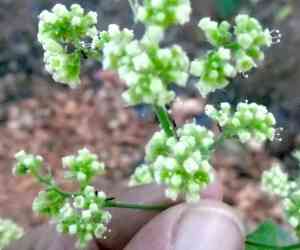
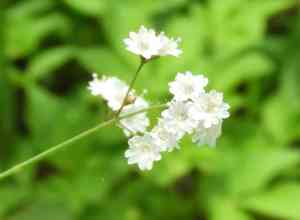
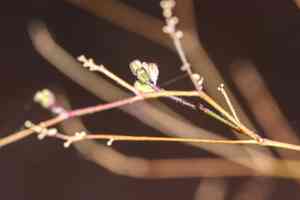
Quickly Identify Spiderlings (Boerhavia)
1
Boerhavia can be identified by its prostrate or ascending growth habit, small star-shaped flowers, and sticky seeds that adhere to clothing and animal fur.
Scientific Classification of Spiderlings (Boerhavia)
Phylum
Magnoliophyta
Class
Magnoliopsida
Order
Caryophyllales
Family
Nyctaginaceae
Genus
Boerhavia
Planting and Growing of Spiderlings (Boerhavia)
Care Difficulty
Easy
Watering Schedule
Every 2 days
Sunlight Requirements
Partial sun
Sunshine Duration
6-10 hours
Ideal Temperature
68-77℉
Soil Type
Potting Mix, Peat Mix
Soil pH
6.5-7.5
Fertilizer Type
Balanced
Pruning Season
Spring, Summer
Pruning Area
Branches, Leaves
Pruning Frequency
2 times a year
Repotting Season
Spring
Pot Type
Plastic, Ceramic
 How to Water Spiderlings (Boerhavia)?
For Boerhavia, ensure each watering session saturates the surrounding soil but avoids creating puddles. You’re aiming for the earth to absorb 250 ml of water every session, maintaining just the right level of moisture without oversaturation.
What are the symptoms of an underwatered Spiderlings (Boerhavia)?
›
What should I do if my Spiderlings (Boerhavia) is not getting enough water?
›
What are the symptoms of an overwatered Spiderlings (Boerhavia)?
›
How to save an overwatered Spiderlings (Boerhavia)?
›
 What Are the Sunlight Requirements for Spiderlings (Boerhavia)?
Boerhavia thrives best under partial to full sun, allowing for about 6-8 hours of exposure. This range supports optimal growth, ensuring healthy foliage and robust structural development.
What is the ideal lighting condition for Boerhavia?
›
How to achieve these ideal lighting conditions?
›
What benefits does Boerhavia gain from ideal lighting?
›
 What Is the Ideal Temperature Range for Spiderlings (Boerhavia)?
Ensure Boerhavia thrives by maintaining a temperature range of 68 to 77 degrees Fahrenheit. This range supports robust growth, allowing the plant to photosynthesize efficiently and develop healthy foliage and flowers. Staying within this temperature zone ensures the plant's metabolic functions are at their peak performance.
 What Soil is Best for Spiderlings (Boerhavia)?
Boerhavia thrives in well-drained soil, which helps prevent waterlogging that could lead to root rot. Well-drained conditions allow optimal air circulation and nutrient absorption, crucial for the plant's growth and health. Adapted to survive in nutrient-poor soils, Boerhavia does not demand rich, fertile ground. It can efficiently utilize limited resources, making it perfect for low-maintenance gardening in challenging environments. While preferring dry conditions, Boerhavia benefits from soil that retains some moisture without becoming boggy. This balance ensures the plant receives enough hydration during dry spells without risking root damage.
 How to Fertilize Spiderlings (Boerhavia)?
For Boerhavia, less is often more when it comes to fertilization. A quarter-strength balanced liquid fertilizer once in two weeks is ample during the growing season. This modest dosing helps prevent nutrient overload while supplying just enough nourishment for optimal growth.
 How to Prune Spiderlings (Boerhavia)?
Begin by examining your Boerhavia to identify areas that require pruning. Look for dead, diseased, or overgrown stems that need attention. This assessment will guide your pruning strategy. Remove any dead or diseased leaves and stems first to prevent the spread of pathogens. Cut a few centimeters below the affected area to ensure complete removal of the problem. Focus on shaping the Boerhavia by trimming excess growth that disrupts its natural form. Aim to promote airflow and light penetration by thinning out dense areas. Once you've pruned, step back to assess your work. Adjustments may be necessary to ensure a balanced look. This step helps maintain the aesthetics of the plant. Dispose of all the pruned material properly and clean your tools with a disinfectant to prevent the spread of disease for future pruning sessions.
 How to Propagate Spiderlings (Boerhavia) plant?
1
For seed propagation, prepare the soil by mixing potting soil with sand for better drainage. Fill the seed tray with this mixture to provide a healthy base for seeds to germinate.
2
Sow the seeds evenly on the surface of the soil and cover them lightly with a thin layer of soil. Water gently to avoid displacing the seeds, ensuring the soil remains moist but not waterlogged.
3
For cutting propagation, select a healthy, mature plant and use pruning shears to take 4-6 inch cuttings. Remove the lower leaves and dip the cut ends in rooting hormone to encourage root development.
 How to Repot Spiderlings (Boerhavia) plant?
1
Boerhavia needs repotting when roots start circling the pot's bottom or emerging through drainage holes. Additionally, if growth noticeably slows despite proper care, it might be time to refresh the soil nutrients by repotting.
2
Select a pot with adequate drainage holes to prevent waterlogging, which can lead to root rot. An ideal pot should be one size larger than the previous to allow root expansion without overwhelming the plant, promoting healthier growth.
3
Opt for a well-draining potting mix composed of equal parts sand, peat, and loam. This mixture ensures adequate drainage while retaining some moisture, preventing root rot and fostering a robust root system.
Learn More About Spiderlings (Boerhavia) Diseases
Anthracnose
Bacterial Leaf Spot
Bacterial Soft Rot
Bacterial Wilt
Damping-off
Downy Mildew
Drought Stress
Fusarium Wilt
Gray Mold
Leaf Spot
Mosaic
Nutrient Deficiency
Nutrient Toxicity
Powdery Mildew
Root Rot
Root-knot Nematode
Rusts
Sooty Mold
Spider Mites
Temperature Stress
Thrips Damage
White Mold
Chemical Injury

