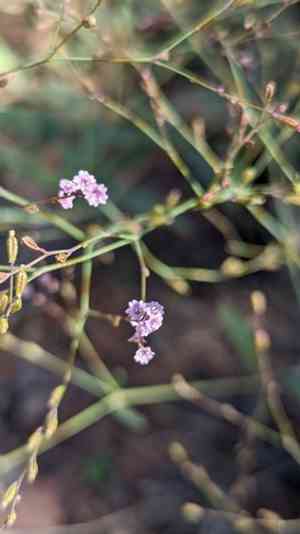
Boerhavia torreyana (Boerhavia torreyana)
Also known as: Slimstems Spiderling, Torrey's Spiderling
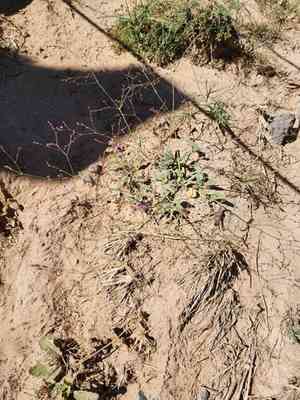
Boerhavia torreyana, known as spreading spiderling, is a hardy perennial herb that prospers in desert landscapes. It features reddish stems and green, oval-shaped leaves that are somewhat fleshy, helping it conserve water. The plant produces small, pink flowers in clusters at the ends of its branches, which not only attract pollinators but also demonstrate its ability to endure tough conditions.
In This Article
Attributes of Boerhavia torreyana
Lifespan
Perennial
Plant Type
Herb
Plant Height
15-45 cm
Spread
Not typically measured due to its sprawling nature
Leaf Color
Green
Flower Size
Around 0.3 cm
Flower Color
Pink to reddish
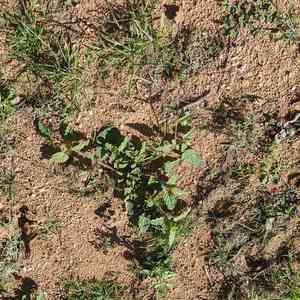
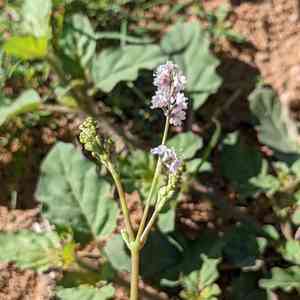
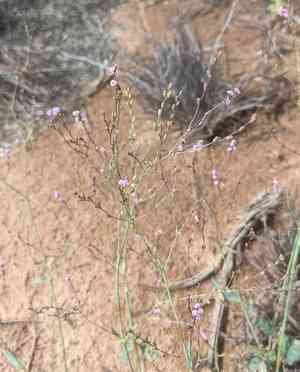
Images of Boerhavia torreyana
Quickly Identify Boerhavia torreyana
1
Boerhavia torreyana can be identified by its slender, sprawling stems and small, tubular flowers. Its leaves are ovate and arranged oppositely on the stems. The flowers are usually pink to reddish and grouped in clusters.
Scientific Classification of Boerhavia torreyana
Phylum
Vascular plants
Class
Dicotyledons
Order
Caryophyllales
Family
Four o'clock
Genus
Spiderlings
Species
Boerhavia torreyana
Planting and Growing of Boerhavia torreyana
Care Difficulty
Moderate
Watering Schedule
Every 2 days
Sunlight Requirements
Full sun
Sunshine Duration
4-6 hours
Ideal Temperature
65-80℉
Soil Type
Potting Mix, Peat Mix
Soil pH
6.5-7.5
Fertilizer Type
Balanced
Pruning Season
Spring, Summer
Pruning Area
Branches, Leaves
Pruning Frequency
2 times a year
Repotting Season
Spring
Pot Type
Plastic, Ceramic
 How to Water Boerhavia torreyana?
Boerhavia torreyana, commonly known as spreading spiderling, thrives in well-drained soil. It's essential to water deeply but infrequently, allowing the top 1-2 inches of soil to dry out between waterings. This encourages the roots to grow deeper, seeking moisture, and enhances the plant's drought resistance.
What are the symptoms of an underwatered Boerhavia torreyana?
›
What should I do if my Boerhavia torreyana is not getting enough water?
›
What are the symptoms of an overwatered Boerhavia torreyana?
›
How to save an overwatered Boerhavia torreyana?
›
 What Are the Sunlight Requirements for Boerhavia torreyana?
Boerhavia torreyana thrives in partial to full sun exposure. Ideal light promotes vigorous growth, healthy foliage, and abundant blooms. Adequate sunlight ensures strong, resilient plants capable of withstanding environmental stresses.
What is the best location for Boerhavia torreyana?
›
How can I ensure Boerhavia torreyana receives adequate light indoors?
›
What are the benefits of providing optimal light for Boerhavia torreyana?
›
 What Is the Ideal Temperature Range for Boerhavia torreyana?
The ideal temperature range for Boerhavia torreyana growth is between 65°F and 80°F. This range ensures the plant has adequate warmth for photosynthesis without the stress of excessive heat. Maintaining this temperature range promotes optimal growth and blooming.
 What Soil is Best for Boerhavia torreyana?
Boerhavia torreyana requires well-drained soil to thrive, as excess water can cause root rot. This need for good drainage is crucial for promoting healthy root development and ensuring the plant can absorb nutrients effectively. This plant benefits from soil that provides sufficient nutrients, particularly nitrogen and potassium. These nutrients aid in fostering lush foliage and support the plant's overall robustness against environmental stresses. While fast-draining soils are preferred, Boerhavia torreyana also requires soil that retains an adequate amount of moisture to sustain it through dry periods, providing a consistent supply of water without the risk of waterlogging.
 How to Fertilize Boerhavia torreyana?
For Boerhavia torreyana, it's vital to use a balanced fertilizer with an equal ratio of nitrogen, phosphorus, and potassium. For liquid fertilizers, dissolve at half the recommended strength to avoid over-fertilization. Use approximately 100 ml per small plant to ensure adequate nutrient supply without saturation.
 How to Prune Boerhavia torreyana?
Start by examining the plant for overgrown, dead, or damaged areas, which typically consist of dry or discolored stems and leaves. These are your primary targets for pruning, as removing them directs energy to healthier parts of the plant. Always use sharp, sterilized pruning shears or scissors to make clean cuts. This minimizes stress to the plant and reduces the risk of infection or damage. When trimming a stem, make cuts at a 45-degree angle near a node or branch junction. This method encourages new, vigorous growth and allows water to drain off easily, preventing disease. Avoid pruning more than one-third of the plant at any given time. Over-pruning can stress Boerhavia torreyana, potentially leading to stunted growth or plant shock.
More About Pruning Techniques→
 How to Propagate Boerhavia torreyana plant?
1
Collect seeds from mature plants in late summer to early autumn. Allow them to dry thoroughly before storing them in a cool, dry place. Ensuring seeds are free of moisture prevents mold and rot, maintaining their viability for the next season.
2
Select healthy stems for cuttings, removing leaves from the lower half to expose nodes where roots will form. Dipping the cut end in rooting hormone before planting encourages quicker and more robust root development.
3
For both seeds and cuttings, plant in a well-draining soil mix. Keep the soil consistently moist but not waterlogged. Covering the cuttings with plastic can create a mini greenhouse effect, promoting high humidity necessary for root growth.
 How to Repot Boerhavia torreyana plant?
1
It's time to repot Boerhavia torreyana when you notice roots growing out of the drainage holes or circling the root ball. Additionally, if water isn't properly draining or the plant appears stunted despite healthy care, these are strong signals the plant needs more space to thrive.
2
Select a pot that's about 2 inches larger in diameter than the current one. Ensure it has ample drainage holes to allow excess water to escape, preventing root rot. A slightly bigger pot facilitates root expansion and helps the plant absorb more nutrients, promoting vigorous growth.
3
Use a well-draining sandy soil mix, possibly adding some perlite or pumice to enhance aeration. This soil mix prevents water retention, reducing the risk of root rot and providing a healthy growing environment for Boerhavia torreyana.


