
Coulter's spiderling (Boerhavia coulteri)
Also known as: Coulter spiderling
Coulter's spiderling (Boerhavia coulteri) is a resilient plant native to the arid regions of the southwestern United States and northern Mexico. This ground-cover plant forms extensive, spreading mats and is known to attract various butterfly and moth species. Among them are the New Mexico Polymnia Moth (Archirhoe neomexicana), the Starry Crambid Moth (Disclisioprocta stellata), and the White-lined Sphinx Moth (Hyles lineata). These insects are drawn to the plant's nectar and the habitat it provides.
In This Article
Attributes of Coulter's spiderling
Lifespan
Perennial
Plant Type
Herb
Plant Height
Up to 0.3 meters
Spread
Up to 0.5 meters
Leaf Color
Green
Flower Size
Approximately 0.3 centimeters
Flower Color
Pink to red
Images of Coulter's spiderling
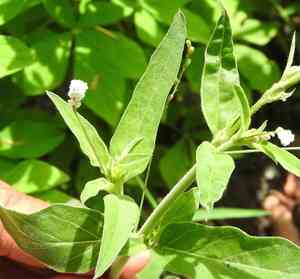
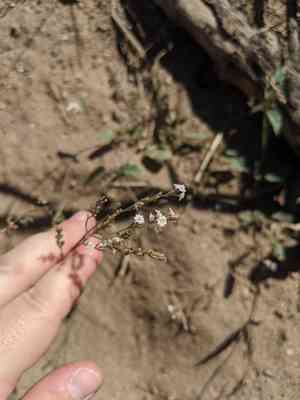
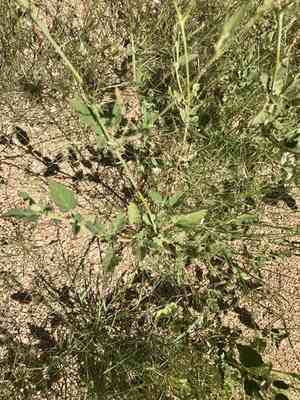

Quickly Identify Coulter's spiderling
1
Boerhavia coulteri can be identified by its ground-hugging habit, small reddish or pinkish flowers, and sticky seeds that often cling to fur or clothing.
Scientific Classification of Coulter's spiderling
Phylum
Vascular plants
Class
Dicotyledons
Order
Caryophyllales
Family
Four o'clock
Genus
Spiderlings
Species
Coulter's spiderling
Planting and Growing of Coulter's spiderling
Care Difficulty
Moderate
Watering Schedule
Every 4 days
Sunlight Requirements
Full sun
Sunshine Duration
6-10 hours
Ideal Temperature
65-75℉
Soil Type
Potting Mix, Peat Mix
Soil pH
6.5-7.5
Fertilizer Type
Balanced
Pruning Season
Spring, Summer
Pruning Area
Branches, Leaves
Pruning Frequency
2 times a year
Repotting Season
Spring
Pot Type
Plastic, Terracotta
 How to Water Coulter's spiderling?
Boerhavia coulteri requires watering until the topsoil feels moist but not soggy. A consistent watering amount of about 200 ml per session is usually sufficient, depending on the plant's size and environmental conditions. It's important to ensure that water penetrates through the soil to the root zone without waterlogging it. This helps facilitate optimal nutrient absorption while preventing root rot.
What are the symptoms of an underwatered Coulter's spiderling?
›
What should I do if my Coulter's spiderling is not getting enough water?
›
What are the symptoms of an overwatered Coulter's spiderling?
›
How to save an overwatered Coulter's spiderling?
›
 What Are the Sunlight Requirements for Coulter's spiderling?
Preferring full to partial sun, Boerhavia coulteri benefits from exposure to 4-6 hours of sunlight daily. Adequate sunlight promotes lush growth, strong root development, and optimal flowering conditions benefiting overall plant vigor.
What type of sunlight is best for Boerhavia coulteri?
›
How can you provide ideal sunlight conditions for this plant?
›
What are the benefits of ideal light conditions for the plant?
›
 What Is the Ideal Temperature Range for Coulter's spiderling?
Boerhavia coulteri thrives best in a temperature range of 65°F to 75°F. This range allows the plant to maintain optimal metabolic functions, including photosynthesis and nutrient uptake. Ensuring consistent temperatures within this range promotes robust growth and flowering.
 What Soil is Best for Coulter's spiderling?
Boerhavia coulteri thrives in well-drained soil conditions. The plant's roots need to breathe and excessive water can lead to root rot. Ensuring good drainage improves root health and promotes vigorous growth. This plant prefers soils that are not overly rich. Too much fertilizer can lead to excessive foliage growth with less flowering. A balanced, minimal nutrient level in the soil ensures healthy development and flowering patterns. While the plant can tolerate dry conditions, it benefits from a soil that retains enough moisture to keep its roots hydrated without being waterlogged. Proper moisture levels will keep Boerhavia coulteri foliage lush.
 How to Fertilize Coulter's spiderling?
Boerhavia coulteri requires careful attention to fertilization. Generally, a diluted liquid fertilizer at half strength is recommended, about 10-20 milliliters per application. For slow-release granular fertilizers, use a light sprinkle around the base, approximately 5 grams per plant, ensuring it doesn’t touch the stem. Excessive fertilization can lead to nutrient burn, so it’s crucial to start with modest amounts and adjust based on the plant's response.
 How to Prune Coulter's spiderling?
Begin by removing any dead or diseased branches, as these can sap the plant's energy. Next, trim back any overgrown or crossing branches to maintain the desired shape. Focus on creating an open center to increase airflow, which will help reduce the risk of fungal diseases. Boerhavia coulteri benefits from being shaped regularly to prevent it from becoming too wild. Trim around the edges and selectively cut back longer growths to encourage bushier, denser foliage, which not only looks tidy but also supports robust flowering.
More About Pruning Techniques→
 How to Propagate Coulter's spiderling plant?
1
Begin by filling a seed tray with potting mix. Sow Boerhavia coulteri seeds on the surface and gently press them into the soil. Ensure they are spread out evenly to prevent overcrowding.
2
Moisten the soil using a water mister to keep it damp but not waterlogged. Ensure the soil remains moist throughout the germination period, checking daily for dryness.
3
Place the seed tray in a location with bright, indirect light. If natural light is insufficient, use grow lights to ensure the seedlings receive ample light for at least 12 hours a day.
 How to Repot Coulter's spiderling plant?
1
A Boerhavia coulteri plant should be repotted when it shows signs of being root-bound, such as roots growing out of the drainage holes or stunted growth. Early spring is the ideal time to repot, as the plant is coming out of dormancy and can recover more quickly.
2
Choose a pot slightly larger than the current one, with ample drainage holes to prevent waterlogging. A terracotta pot works well as it allows excess moisture to escape, reducing the risk of root rot and maintaining a healthy root environment.
3
Select a well-draining sandy mix, rich in organic matter for repotting. This type of soil mimics Boerhavia coulteri's natural environment and provides the necessary nutrients while ensuring that excess water drains away, preventing root rot.
Learn More About Coulter's spiderling Diseases
Anthracnose
Bacterial Leaf Spot
Bacterial Soft Rot
Bacterial Wilt
Chemical Injury
Damping-off
Downy Mildew
Drought Stress
Fusarium Wilt
Gray Mold
Leaf Curl
Leaf Spot
Mosaic
Nutrient Deficiency
Nutrient Toxicity
Powdery Mildew
Root Rot
Root-knot Nematode
Rusts
Sooty Mold
Spider Mites
Temperature Stress
Thrips Damage
White Mold


