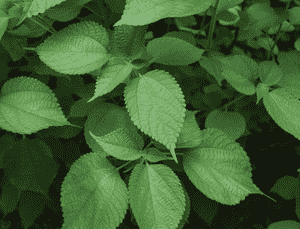
Chinese grass (Boehmeria nivea)
Also known as: China grass
Hemp is a traditional fiber crop that has been cultivated for thousands of years. The fibers from hemp are significantly stronger than those from cotton, approximately eight times as strong. Despite its durability, hemp is not commonly used in modern textiles due to the high costs and labor-intensive nature of its collection and processing.
In This Article
Attributes of Chinese grass
Lifespan
Perennial
Plant Type
Herb, Shrub
Plant Height
50 cm to 1.5 m
Spread
2.5 m to 3 m
Leaf Color
Dark green on the upper side, whitish on the underside
Flower Size
1 mm to 3 mm
Flower Color
Green Yellow
Images of Chinese grass
Quickly Identify Chinese grass
1
Boehmeria nivea can be identified by its heart-shaped, serrated leaves with a fine, white woolly coating on the underside. The stems are typically stiff and covered with fine hair. It produces small, greenish-white flowers in clusters.
Scientific Classification of Chinese grass
Phylum
Vascular plants
Class
Dicotyledons
Order
Roses, elms, figs, and allies
Family
Nettle
Genus
False nettles
Species
Chinese grass
Planting and Growing of Chinese grass
Care Difficulty
Easy
Watering Schedule
Every 3 days
Sunlight Requirements
Partial sun
Sunshine Duration
6-12 hours
Ideal Temperature
60-75℉
Soil Type
Potting Mix, Peat Mix
Soil pH
6.5-7.5
Fertilizer Type
Balanced
Pruning Season
Spring, Summer
Pruning Area
Branches, Leaves
Pruning Frequency
Once a year
Repotting Season
Spring
Pot Type
Plastic, Ceramic
 How to Water Chinese grass?
When it comes to watering Boehmeria nivea, it’s crucial to ensure the soil is evenly moist. Aim for about 500 ml per watering session. Water the plant thoroughly until you notice it draining from the bottom of the pot, which ensures the roots are evenly moistened. Remember, the key is to water deeply but infrequently.
What are the symptoms of an underwatered Chinese grass?
›
What should I do if my Chinese grass is not getting enough water?
›
What are the symptoms of an overwatered Chinese grass?
›
How to save an overwatered Chinese grass?
›
 What Are the Sunlight Requirements for Chinese grass?
Boehmeria nivea ideally requires partial sun to full shade environments. Such conditions foster green, healthy leaves and robust growth patterns, essential for the plant's overall health and vigor. It avoids the risks of sunburn and stress, promoting a sustained, lush foliage.
More About Sunlight Requirements Techniques→
How much light does Boehmeria nivea need?
›
What is the ideal setting for Boehmeria nivea lighting?
›
How can you achieve the best growth through lighting for Boehmeria nivea?
›
 What Is the Ideal Temperature Range for Chinese grass?
Boehmeria nivea, commonly known as ramie, thrives best in temperatures ranging from 60°F to 75°F. This range provides optimal conditions for growth, ensuring vitality and robustness. Consistent maintenance of this temperature range helps in achieving healthy foliage and prevents stress that could impede growth and productivity.
 What Soil is Best for Chinese grass?
Boehmeria nivea thrives best in soils that offer excellent drainage. This ensures its roots are not waterlogged, preventing root rot while providing essential aeration for robust growth. A nutrient-rich soil, abundant in organic matter, is vital for Boehmeria nivea. It enhances the plant’s rapid growth and vigor, supplying nutrients essential for lush foliage and strong fiber production. The plant prefers soil that maintains consistent moisture without becoming soggy. This balance helps ensure steady growth and prevents stress in its delicate root systems.
 How to Fertilize Chinese grass?
For Boehmeria nivea, it's essential to measure the fertilizer amount accurately. Use approximately 5 to 10 grams of balanced fertilizer per liter of water when applying liquid fertilizer. Ensure you do not over-saturate the soil, as this plant requires balanced nutrition without excessive salt buildup, which can harm the roots.
 How to Prune Chinese grass?
Trim the Boehmeria nivea to improve air flow through the branches. Focus on removing any overcrowded or crossing branches to allow sunlight and air to penetrate the center of the plant, which reduces the risk of fungal diseases. Prune to maintain the desired shape and size of the plant. Boehmeria nivea naturally has a bushy form, so regular trimming can help keep it looking tidy and encourage a more structured appearance. When making cuts, always prune just above a leaf bud. This promotes new growth in the direction the bud is pointing, giving you control over the plant's future growth pattern.
More About Pruning Techniques→
 How to Propagate Chinese grass plant?
1
Collect seeds from a mature Boehmeria nivea plant and clean them to remove any debris. Soak the seeds in water overnight to improve germination rates before sowing them evenly in a seedling tray filled with potting mix.
2
Select a healthy, disease-free parent plant and use sharp pruning shears to cut a 4-6 inch stem. Remove the lower leaves from the cutting and dip the cut end in rooting hormone to enhance root development.
3
Uplift a well-established Boehmeria nivea plant and gently separate the root clumps into smaller sections, ensuring each section has a portion of the root system. Replant these divisions in prepared planting beds with suitable soil conditions.
 How to Repot Chinese grass plant?
1
Repotting is needed when Boehmeria nivea shows signs like roots growing out of the drainage holes, soil drying out quickly, or stunted growth. These indicators reveal that the plant has outgrown its current pot and requires more space to spread its roots and thrive.
2
Choose a pot with drainage holes to prevent waterlogging, which can lead to root rot. Opt for a pot that is one size larger than the current one to provide room for growth but avoid overly large pots as they retain excess moisture, causing harm to your plant.
3
Use well-draining potting mix that is rich in organic matter to ensure proper aeration and moisture retention. This type of soil helps maintain the plant's health by allowing excess water to drain away, preventing the roots from sitting in water for too long.
Learn More About Chinese grass Diseases
Anthracnose
Bacterial Leaf Spot
Bacterial Soft Rot
Bacterial Wilt
Crown Gall
Cyst Nematode
Damping-off
Downy Mildew
Drought Stress
Fusarium Wilt
Gray Mold
Leaf Spot
Mosaic
Nutrient Deficiency
Nutrient Toxicity
Root Rot
Root-knot Nematode
Rusts
Sooty Mold
Spider Mites
Temperature Stress
Thrips Damage
White Mold
Chemical Injury



