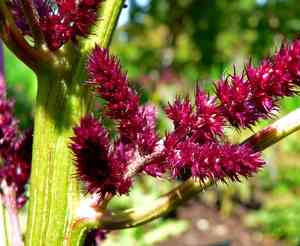
Leafy goosefoot (Blitum virgatum)
Also known as: Strawberry blite
Leafy goosefoot (Chenopodium foliosum) is a versatile edible plant originating from Eurasia. Its leaves can be cooked similar to spinach or enjoyed fresh in salads. The plant also produces fruit clusters that resemble a blend of strawberries and raspberries, offering a mildly sweet taste. Despite being cultivated for its nutritious leaves and fruits, leafy goosefoot often exhibits weedy characteristics, particularly in disturbed or cultivated soils.
In This Article
Attributes of Leafy goosefoot
Lifespan
Annual
Plant Type
Herb
Plant Height
40 cm
Spread
20-40 cm
Leaf Color
Green
Flower Size
8 mm
Flower Color
Yellow Green
Images of Leafy goosefoot
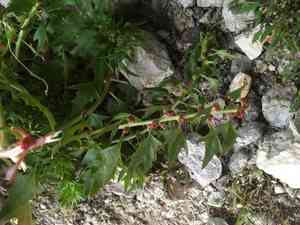
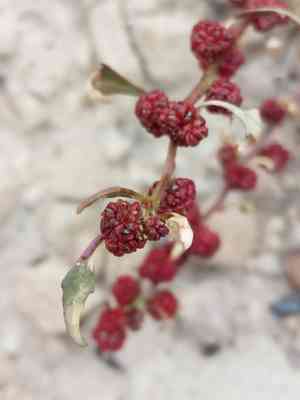
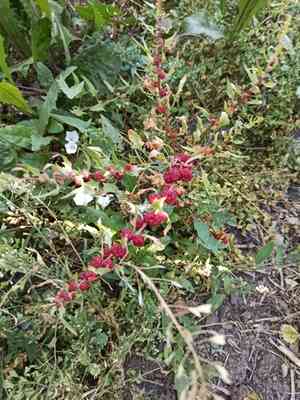
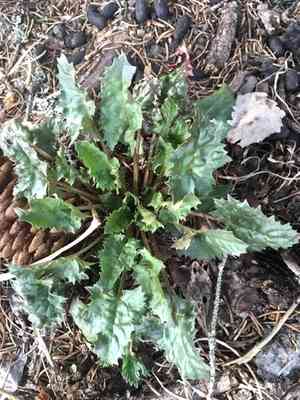
Quickly Identify Leafy goosefoot
1
Look for its distinctive bright red berries, triangular to lance-shaped leaves with a slightly wavy margin, and erect, slightly branching stems. The leaves resemble those of spinach.
Scientific Classification of Leafy goosefoot
Phylum
Vascular plants
Class
Dicotyledons
Order
Caryophyllales
Family
Amaranth
Genus
Blitum
Species
Leafy goosefoot
Planting and Growing of Leafy goosefoot
Care Difficulty
Easy
Watering Schedule
Every 4 days
Sunlight Requirements
Full sun
Sunshine Duration
4-6 hours
Ideal Temperature
60-75℉
Soil Type
Potting Mix, Peat Mix
Soil pH
6.5-7.5
Fertilizer Type
Balanced
Pruning Season
Spring, Summer
Pruning Area
Branches, Leaves
Pruning Frequency
2 times a year
Repotting Season
Spring
Pot Type
Plastic, Ceramic
 How to Water Leafy goosefoot?
Blitum virgatum prefers its soil to be evenly moist. Aim for about 250 milliliters of water per session, ensuring the water penetrates to the root zone but does not leave the soil soggy. Always check the top inch of soil; if it feels dry, it’s time to water.
What are the symptoms of an underwatered Leafy goosefoot?
›
What should I do if my Leafy goosefoot is not getting enough water?
›
What are the symptoms of an overwatered Leafy goosefoot?
›
How to save an overwatered Leafy goosefoot?
›
 What Are the Sunlight Requirements for Leafy goosefoot?
Half-sun to full-sun exposure helps Blitum virgatum maintain its growth and health. Proper light supports photosynthesis and robust foliage.
Optimal Light Duration
›
Solution for Ideal Lighting
›
Benefits of Ideal Light Exposure
›
 What Is the Ideal Temperature Range for Leafy goosefoot?
The ideal temperature range for Blitum virgatum cultivation is between 60°F and 75°F. This range ensures optimal growth and development, allowing the plant to photosynthesize efficiently and maintain healthy physiological processes. Temperatures within this range are neither too hot nor too cold, minimizing stress and maximizing growth potential.
 What Soil is Best for Leafy goosefoot?
Blitum virgatum thrives in nutrient-rich soils as these provide the essential minerals and nutrients the plant needs for robust growth. The presence of organic matter like compost can greatly enhance the fertility of the soil, fueling healthy foliage and vibrant growth. Proper drainage is crucial for Blitum virgatum to prevent root rot caused by waterlogged conditions. Selecting or preparing soil that has good drainage capabilities ensures the roots have access to oxygen and prevents the stagnation of water around them. While good drainage is essential, the soil should also retain enough moisture to support consistent hydration. A balance needs to be struck where the soil retains moisture but does not become overly soggy.
 How to Fertilize Leafy goosefoot?
For Blitum virgatum, applying a basic 10-10-10 liquid fertilizer at half strength every two weeks during the growing season should suffice. This keeps the soil enriched without overloading the plant. A single application should typically not exceed one tablespoon per gallon of water for liquid fertilizers.
 How to Prune Leafy goosefoot?
While pruning is beneficial, be cautious not to over-prune Blitum virgatum. Removing too much foliage can stress the plant, slowing its growth and affecting its overall health. After pruning, keep an eye out for signs of pests. Open cuts may attract insects, so monitor your plant closely and treat any infestations promptly to prevent them from spreading. Understand your plant's growth patterns when deciding how much to prune. During active seasons, your Blitum virgatum will bounce back quickly, while dormant periods may require a lighter touch.
More About Pruning Techniques→
 How to Propagate Leafy goosefoot plant?
1
Fill seed trays with potting soil, leaving about 1 cm of space from the top. Water the soil lightly to ensure it's evenly moist but not soggy. Make sure the trays have drainage holes to prevent waterlogging.
2
Scatter Blitum virgatum seeds evenly over the soil surface. Cover them lightly with a thin layer of soil, roughly 5 mm deep. This ensures that seeds have a consistent cover for optimal germination.
3
Keep the seed trays in a warm, sunny spot and maintain consistent moisture. Water gently when the soil feels dry to the touch but avoid overwatering as it may lead to fungal diseases. Maintaining a temperature around 18-24°C can enhance germination rates.
 How to Repot Leafy goosefoot plant?
1
Blitum virgatum shows signs of needing a new pot when roots start emerging from the drainage holes, the growth seems stunted, or the potting mix dries out rapidly. The best time to repot is in early spring or during the growing season in summer, allowing the plant to acclimate quickly.
2
Select a pot that is only slightly larger than the current one, ideally 1-2 inches wider in diameter. This ensures that the plant is not overwhelmed by excess soil, which can retain too much moisture and lead to root rot. A pot with drainage holes is essential to prevent waterlogging and promote healthy root growth.
3
Use a well-draining potting mix, preferably one designed for leafy vegetables. A mix with a balance of peat, vermiculite, and perlite works well. This composition allows for adequate aeration and moisture retention, which is crucial for the healthy growth of Blitum virgatum.
Learn More About Leafy goosefoot Diseases
Anthracnose
Bacterial Leaf Spot
Bacterial Soft Rot
Bacterial Wilt
Chemical Injury
Damping-off
Downy Mildew
Drought Stress
Fusarium Wilt
Gray Mold
Leaf Spot
Mosaic
Nutrient Deficiency
Nutrient Toxicity
Powdery Mildew
Root Rot
Root-knot Nematode
Rusts
Sooty Mold
Spider Mites
Temperature Stress
Thrips Damage
White Mold



