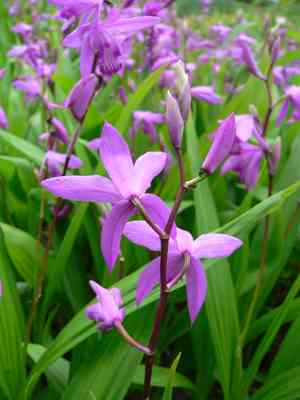
Chinese ground orchid (Bletilla striata)
Also known as: Hardy orchid, Hyacinth orchid
The Bletilla striata, commonly known as the Chinese Ground Orchid, is a robust terrestrial orchid. Unlike its more delicate relatives, it is simple to cultivate outdoors. It flourishes in rich, loamy soil, preferring morning sunlight and afternoon shade. Growing from rhizomes, these orchids come in various colors.
In This Article
Attributes of Chinese ground orchid
Lifespan
Perennial
Plant Type
Herb
Plant Height
30 cm to 60 cm
Spread
15 cm to 30 cm
Leaf Color
Green
Flower Size
2.5 cm to 6 cm
Flower Color
Pink White Purple
Images of Chinese ground orchid
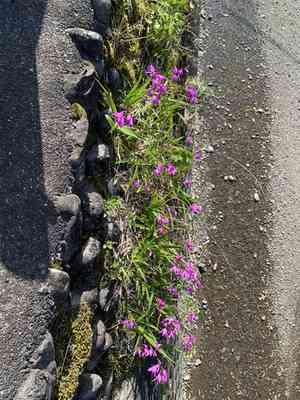
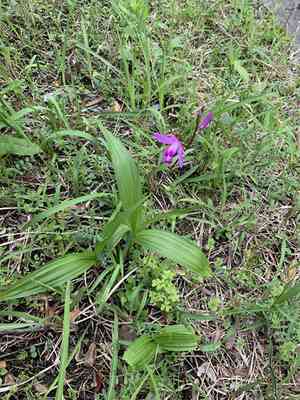
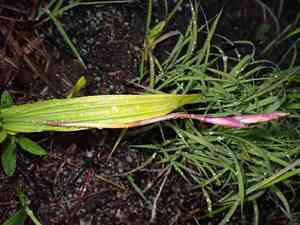
Quickly Identify Chinese ground orchid
1
Pleated, sword-like leaves up to 12 inches (30 cm) long.
2
Magenta-pink, orchid-like flowers, each 2 inches (5 cm) long, held downward.
3
Clumping growth habit, reaching 18 inches (45 cm) in height and 12 inches (30 cm) wide.
4
Flowers bloom in racemes atop up to 18 inches (45 cm) tall naked scapes.
5
Distinctive color range of purplish-pink, deep rose, or white flowers resembling cattleya orchids.
Scientific Classification of Chinese ground orchid
Phylum
Vascular plants
Class
Monocotyledons
Order
Asparagus and allies
Family
Orchid
Genus
Urn orchids
Species
Chinese ground orchid
Planting and Growing of Chinese ground orchid
Care Difficulty
Easy
Watering Schedule
Every 8 days
Sunlight Requirements
Full shade
Sunshine Duration
4-8 hours
Ideal Temperature
65-75℉
Soil Type
Potting Mix, Peat Mix
Soil pH
6.5-7.5
Fertilizer Type
Balanced
Pruning Season
Spring, Summer
Pruning Area
Branches, Leaves
Pruning Frequency
2 times a year
Repotting Season
Spring
Pot Type
Plastic, Ceramic
 How to Water Chinese ground orchid?
Bletilla striata prefers consistent moisture, but the soil should not be soggy. Watering should adequately reach the roots while avoiding waterlogging. Typically, 250ml per watering should keep the soil moist but not oversaturated, striking a balance that supports growth while preventing root rot.
What are the symptoms of an underwatered Chinese ground orchid?
›
What should I do if my Chinese ground orchid is not getting enough water?
›
What are the symptoms of an overwatered Chinese ground orchid?
›
How to save an overwatered Chinese ground orchid?
›
 What Are the Sunlight Requirements for Chinese ground orchid?
Bletilla striata prefers partial sun to full shade, ideally receiving between 2 to 5 hours of sunlight daily. Adequate light ensures vibrant blooms and healthy foliage necessary for its aesthetic appeal.
More About Sunlight Requirements Techniques→
Optimal Location
›
Seasonal Adjustments
›
Indoor Conditions
›
 What Is the Ideal Temperature Range for Chinese ground orchid?
The ideal temperature range for growing Bletilla striata is between 65°F and 75°F. These temperatures provide the perfect balance for growth and flowering, closely mimicking the plant's natural habitat conditions. Ensuring this range will promote healthy leaf development and a robust root system.
 What Soil is Best for Chinese ground orchid?
Bletilla striata thrives in well-drained soil, as it prevents waterlogging which can lead to root rot. Ensuring proper drainage mimics its natural forest floor habitat and promotes healthy rhizome growth. While drainage is key, the soil should also retain enough moisture to keep the plant hydrated without staying soggy. This balance supports consistent growth and vibrant flowering. Rich in organic content, such as decomposed leaves or compost, loamy soil provides the necessary nutrients and fosters beneficial soil microbes that enhance plant growth and disease resistance.
More About Soil→
 How to Fertilize Chinese ground orchid?
Bletilla striata thrives with moderate feeding. Use a balanced, water-soluble liquid fertilizer at a concentration of 1/4 the recommended rate on the label. Avoid over-fertilizing, as this can harm the plant. The goal is to provide just enough nutrients to support healthy growth without causing stress.
More About Fertilizing Techniques→
 How to Prune Chinese ground orchid?
Over-pruning can stress Bletilla striata and diminish its ability to bloom. Trim just enough to maintain the plant’s shape and health. Perform pruning chores when the plant is dry to reduce the chance of disease spread. Wet conditions can encourage fungal and bacterial infections. Before pruning, check for new shoots at the base of the plant. Be careful to avoid cutting these new growths as they will become next season's flowers.
More About Pruning Techniques→
 How to Propagate Chinese ground orchid plant?
1
Collect mature seeds from the Bletilla striata pods. Fill seed trays with a light, well-draining potting mix. Sow the seeds on the surface and gently press them into the soil without burying them deeply. Water lightly and cover with a lid or plastic to maintain humidity.
2
Dig up the entire plant with a garden fork. Gently shake off excess soil to expose the root system. Using a knife, carefully separate the healthy clumps, ensuring each has roots and pseudobulbs. Replant each division at the same depth they were growing initially.
3
Once seedlings have grown a few leaves and look sturdy, transplant them to individual pots. Use a well-draining mix, and ensure seedlings have enough space to develop without overcrowding each other. Water them thoroughly after planting.
 How to Repot Chinese ground orchid plant?
1
Bletilla striata should be repotted when you notice it is outgrowing its pot, roots are visible through the drainage holes, or the soil is deteriorating. These are clear signals indicating that it's time to move your plant to a new home, ensuring its optimal growth and health.
2
Select a pot with drainage holes and a size slightly larger than the current one to allow room for root expansion. A pot that's too large can retain excess moisture, leading to root rot, whereas a pot that's slightly bigger encourages healthy growth without overwhelming the plant.
3
Opt for a well-draining orchid mix to replicate Bletilla striata's natural habitat. This type of soil promotes excellent drainage, preventing the roots from sitting in water and reducing the risk of root rot, while providing necessary aeration for the roots.



