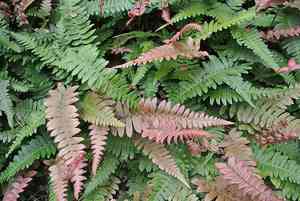
Hard fern (Blechnum) (Blechnum)
Also known as: Hard Fern, Deer Fern
Blechnum is a genus of ferns, commonly referred to as the hard ferns, which are known for their leathery texture and symmetrical appearance. These plants are primarily found in tropical and subtropical regions worldwide.
In This Article
Attributes of Hard fern (Blechnum)
Lifespan
Perennial
Plant Height
0.3 - 1 meter
Spread
0.5 - 1 meter
Leaf Color
Green (new growth can be reddish-brown)
Flower Size
N/A (ferns do not have flowers)
Flower Color
N/A (ferns do not have flowers)
Images of Hard fern (Blechnum)
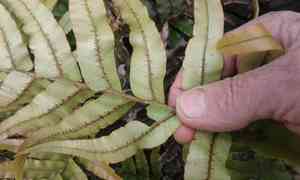
Quickly Identify Hard fern (Blechnum)
1
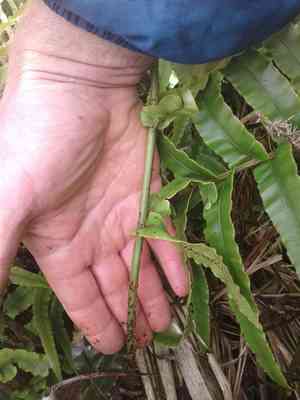
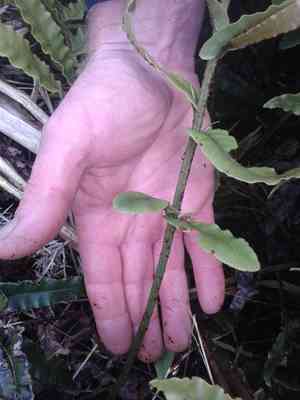
Blechnum species can be identified by their pinnate fronds, which are leathery and arranged in a symmetrical manner. The new fronds often emerge as a reddish-brown color and turn green as they mature.
Scientific Classification of Hard fern (Blechnum)
Phylum
Pteridophyta
Class
Polypodiopsida
Order
Polypodiales
Family
Blechnaceae
Genus
Blechnum
Planting and Growing of Hard fern (Blechnum)
Care Difficulty
Moderate
Watering Schedule
Every 2 days
Sunlight Requirements
Partial sun
Sunshine Duration
6-12 hours
Ideal Temperature
60-75℉
Soil Type
Potting Mix, Peat Mix
Soil pH
5.5-6.5
Fertilizer Type
Balanced
Pruning Season
Spring, Summer
Pruning Area
Branches, Leaves
Pruning Frequency
2 times a year
Repotting Season
Spring
Pot Type
Plastic, Ceramic
 How to Water Hard fern (Blechnum)?
Blechnum ferns prefer a consistent level of humidity around their roots. When you water, make sure the soil is thoroughly moist but not waterlogged. This generally means delivering about 200ml of water per session, ensuring the soil is evenly moist but allowing some natural drainage.
What are the symptoms of an underwatered Hard fern (Blechnum)?
›
What should I do if my Hard fern (Blechnum) is not getting enough water?
›
What are the symptoms of an overwatered Hard fern (Blechnum)?
›
How to save an overwatered Hard fern (Blechnum)?
›
 What Are the Sunlight Requirements for Hard fern (Blechnum)?
Blechnum's ideal range is partial sun to filtered light, promoting steady growth. Proper light exposure enhances the plant's lush fronds and overall vigor, sustaining its ornamental appeal.
Optimal Daily Sunlight Exposure
›
Sunlight Accessibility Solutions
›
Effects of Ideal Light Conditions
›
 What Is the Ideal Temperature Range for Hard fern (Blechnum)?
Blechnum species thrive best in environments where the temperature remains consistent between 60°F to 75°F. This range helps promote photosynthesis and nutrient uptake efficiently, providing an optimal condition for the fern's growth.
 What Soil is Best for Hard fern (Blechnum)?
Blechnum ferns thrive in well-drained soils that prevent waterlogging. This helps in avoiding root rot and ensures the roots have access to the oxygen they need, promoting healthy growth and vitality. These ferns prefer soils rich in organic matter which aid in retaining moisture. The organic matter provides essential nutrients that improve plant health and foliage growth, making them lush and vibrant. An acidic to slightly acidic soil environment is ideal for Blechnum. This pH range facilitates the uptake of vital nutrients, thus enhancing the fern's overall nourishment and strength.
 How to Fertilize Hard fern (Blechnum)?
When fertilizing Blechnum, it is crucial to consider its sensitivity to excess nutrients. Use a balanced liquid fertilizer diluted to half strength, applying about half a cup per application during the active growing season. Ensure that the soil is moist before fertilizing to prevent root burn. For slow-release fertilizers, follow the manufacturer's instructions, usually around 1 to 1.5 tablespoons per plant scattered evenly over the soil surface.
 How to Prune Hard fern (Blechnum)?
Begin by carefully identifying the older or damaged fronds that exhibit discoloration or decay. Using sterilized pruning shears, make clean cuts near the base of the plant. This not only removes unsightly parts but also allows for new growth. Be sure to maintain the natural shape of the fern while pruning. For a more sculpted look, select areas where you want to control growth and size. Trim selectively to promote an even distribution of fronds, ensuring that light infiltrates the canopy adequately. This technique is especially useful in cultivated garden arrangements where aesthetics are crucial.
 How to Propagate Hard fern (Blechnum) plant?
1
Choose a healthy Blechnum plant with a well-developed root system. Selecting a robust plant ensures that the divided sections have a higher chance of survival and growing vigorously.
2
Gently dig up the plant and divide the rhizomes into sections, ensuring each section has roots and several fronds attached. This is crucial as it guarantees each new plant has the necessary nutrients and structure to grow.
3
Plant the divided sections in containers or directly in soil, ensuring the roots are well-covered but the crown and fronds are above the soil. Water thoroughly after planting to settle the soil and eliminate air pockets.
 How to Repot Hard fern (Blechnum) plant?
1
You should consider repotting Blechnum when you notice roots protruding from the drainage holes, or the plant appears to have outgrown its current pot. These signals indicate that the plant needs more space for healthy growth.
2
Select a pot that is one to two inches larger in diameter than the current one. This ensures the plant has enough room to grow without overwhelming it with too much soil, which can lead to overwatering and root rot.
3
Opt for a rich, well-draining potting mix that retains moisture without becoming waterlogged. Such soil ensures that Blechnum receives adequate nutrients while preventing the dangerous buildup of excess water around the roots.

