Bixa (Bixa) (Bixa)
Also known as: Annatto, Achiote, Lipstick Tree
*Bixa* is a genus of tropical and subtropical plants and shrubs. Certain species within this genus have seeds with vibrant pigments, making them valuable for producing dyes used in products like paints and lipstick.
In This Article
Attributes of Bixa (Bixa)
Lifespan
Perennial
Plant Height
3-5 meters
Spread
3-4 meters
Leaf Color
Green
Flower Size
4-6 cm
Flower Color
Pink, White
Images of Bixa (Bixa)
Quickly Identify Bixa (Bixa)
1
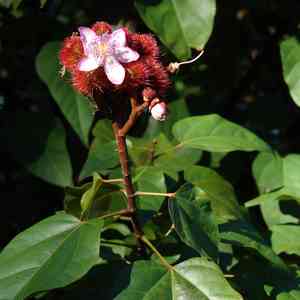
Bixa can be identified by its heart-shaped leaves, pink to white flowers, and hairy, red seed pods. The seed pods are typically clustered and have a distinctive spiky appearance.
Scientific Classification of Bixa (Bixa)
Phylum
Tracheophyta
Class
Magnoliopsida
Order
Malpighiales
Family
Bixaceae
Genus
Bixa
Planting and Growing of Bixa (Bixa)
Care Difficulty
Moderate
Watering Schedule
Every 3 days
Sunlight Requirements
Full sun
Sunshine Duration
6-10 hours
Ideal Temperature
68-86℉
Soil Type
Potting Mix, Peat Mix
Soil pH
6.5-7.5
Fertilizer Type
Balanced
Pruning Season
Spring, Summer
Pruning Area
Branches, Leaves
Pruning Frequency
2 times a year
Repotting Season
Spring
Pot Type
Plastic, Ceramic
 How to Water Bixa (Bixa)?
When watering Bixa plants, ensure that the soil is thoroughly moistened but not waterlogged. Aim for about 500 ml of water for each session, distributed evenly across the soil surface. The goal is to allow water to reach the roots while ensuring that excess water can drain effectively, preventing any standing water.
What are the symptoms of an underwatered Bixa (Bixa)?
›
What should I do if my Bixa (Bixa) is not getting enough water?
›
What are the symptoms of an overwatered Bixa (Bixa)?
›
How to save an overwatered Bixa (Bixa)?
›
 What Are the Sunlight Requirements for Bixa (Bixa)?
Bixa performs well in partial to full sun conditions. Ideal lighting conditions ensure robust growth and enhanced flowering, contributing to the plant's overall health and ornamental beauty.
Optimal Sun Exposure
›
Solution for Indoor Cultivation
›
Benefits of Proper Sunlight
›
 What Is the Ideal Temperature Range for Bixa (Bixa)?
The optimal temperature for Bixa, also known as achiote, is between 68-86°F. This range ensures the plant's enzymatic processes are running at peak efficiency, promoting healthy growth and flowering. Maintaining this ideal temperature range allows the plant to utilize nutrients properly, thus supporting its overall vitality.
 What Soil is Best for Bixa (Bixa)?
Bixa requires well-drained soil to prevent waterlogging, which can lead to root rot. Loamy soil is ideal as it provides the right balance of moisture and drainage, promoting healthy root systems and robust growth for the plant. Bixa thrives in soil that's rich in organic matter. The natural nutrients in loamy soil offer a fertile environment, ensuring that the plant receives adequate nutrition for vibrant foliage and abundant flowering, increasing the plant’s longevity and yield. This plant thrives in slightly acidic pH levels. The acidity helps in the effective absorption of nutrients like iron and magnesium, essential for photosynthesis and overall plant vigor. Maintaining a pH between 6.5 and 7.5 ensures optimal growth.
 How to Fertilize Bixa (Bixa)?
For Bixa plants, the ideal fertilizer amount should be carefully measured. Typically, a balanced 10-10-10 NPK liquid fertilizer is recommended, applied at a rate of 1 tablespoon per gallon of water. This ensures that the plant receives a good mix of nutrients without overwhelming its system.
 How to Prune Bixa (Bixa)?
Start by removing any branches that are dead or visibly damaged. This helps to focus the plant's energy on healthy growth, ensuring better nourishment and appearance. Trim the tips of branches to promote a denser bush. This not only enhances the plant’s aesthetic appeal but also provides it with a healthier structure. Assess the natural shape of the plant and prune to maintain or enhance this form. This improves symmetry and aesthetics, also facilitating better light penetration.
 How to Propagate Bixa (Bixa) plant?
1
Before sowing, seeds should be soaked in warm water for 24 hours to soften the seed coat. This helps in the germination process by allowing water to penetrate the seed more easily.
2
Select a healthy section of the plant and use clean, sharp shears to take a cutting. Ideally, cuttings should be around 6 inches long with 2-3 leaves to ensure they have enough energy to root.
3
Insert the cut end of the cutting into a pot of moist, well-drained soil or rooting medium. Ensure that at least a couple of nodes are below the surface to promote root growth.
 How to Repot Bixa (Bixa) plant?
1
You know it's time to repot your Bixa when roots start poking out of the drainage holes, the soil dries out too quickly, or growth seems stunted despite proper care. These signs indicate that the plant is running out of space or nutrients.
2
Select a pot that is one size larger than the current one, roughly 2-3 inches wider in diameter. Ensure it has ample drainage holes to prevent waterlogging, which increases the risks of root rot and fungal diseases, ultimately promoting healthier plant growth.
3
Opt for a well-drained loamy soil mix that retains moisture but doesn't become waterlogged. A balance of sand, silt, and clay helps supply the essential nutrients and maintain the right pH balance, ensuring healthy root development and nutrient uptake.
Learn More About Bixa (Bixa) Diseases
Anthracnose
Bacterial Leaf Spot
Bacterial Wilt
Crown Gall
Damping-off
Downy Mildew
Drought Stress
Fusarium Wilt
Gray Mold
Leaf Spot
Mosaic
Nutrient Deficiency
Nutrient Toxicity
Powdery Mildew
Root Rot
Root-knot Nematode
Rusts
Sooty Mold
Spider Mites
Temperature Stress
Thrips Damage
White Mold
Chemical Injury

