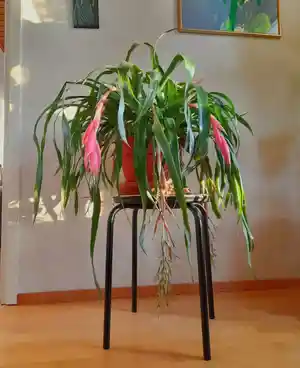
Queen's tears (Billbergia nutans)
Also known as: Angel's tears, Hardy friendship plant, Indoor oats
Queen's tears (*Billbergia nutans*) is a bromeliad that is native to South America and is often cultivated as an ornamental houseplant. In its native environment, it grows on other plants, although its shallow root system can also be at home in a pot of soil. Queen's tears produces eye-catching, multicolored flowers of pink, blue, green, and yellow.
In This Article
Attributes of Queen's tears
Lifespan
Perennial, Annual
Plant Type
Herb
Plant Height
50 cm
Spread
40 cm
Leaf Color
Green
Flower Size
2 cm
Flower Color
Purple Blue Green Pink
Images of Queen's tears
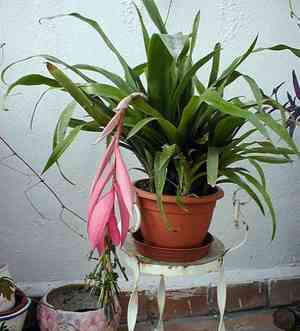
Quickly Identify Queen's tears
1
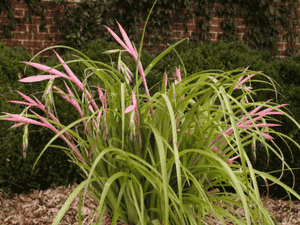
Arching rosettes up to 2 feet (60 cm) tall.
2
Slender, bronzy-green leaves with small teeth along margins.
3
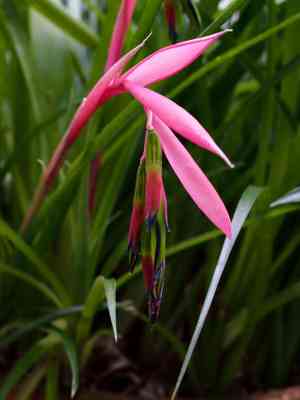
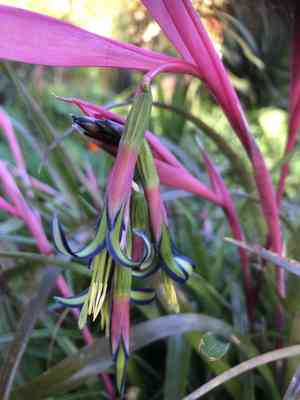
Pendant flowers with chartreuse green petals and royal-blue edges.
4
Pink bracts along the inflorescences.
5
Notable drought tolerance compared to other bromeliads.
Scientific Classification of Queen's tears
Phylum
Vascular plants
Class
Monocotyledons
Order
Poales
Family
Bromeliad
Genus
Billbergia
Species
Queen's tears
Planting and Growing of Queen's tears
Care Difficulty
Easy
Watering Schedule
Every 2 days
Sunlight Requirements
Partial sun
Sunshine Duration
6-10 hours
Ideal Temperature
60-75℉
Soil Type
Potting Mix, Peat Mix
Soil pH
6.5-7.5
Fertilizer Type
Balanced
Pruning Season
Spring, Summer
Pruning Area
Branches, Leaves
Pruning Frequency
2 times a year
Repotting Season
Spring
Pot Type
Ceramic, Plastic
 How to Water Queen's tears?
For Billbergia nutans, the ideal watering amount is about 300 milliliters each time. You want to ensure that the soil is evenly moist but not waterlogged. It's important to let the water drain completely to prevent root rot, as this plant dislikes standing water.
What are the symptoms of an underwatered Queen's tears?
›
What should I do if my Queen's tears is not getting enough water?
›
What are the symptoms of an overwatered Queen's tears?
›
How to save an overwatered Queen's tears?
›
 What Are the Sunlight Requirements for Queen's tears?
Partial sun is ideal for Billbergia nutans, providing it the necessary light for photosynthesis without the risk of leaf burn. Adequate light helps produce vibrant colors and robust blooms, while ensuring plant vitality.
More About Sunlight Requirements Techniques→
Optimal sunlight exposure
›
Solution for achieving ideal light
›
Beneficial effects of ideal lighting
›
 What Is the Ideal Temperature Range for Queen's tears?
Billbergia nutans thrives best in temperatures ranging from 60°F to 75°F. This moderate range ensures the plant receives adequate warmth without the risk of overheating or excessive cooling, promoting healthy growth and vibrant foliage.
 What Soil is Best for Queen's tears?
Billbergia nutans thrives best in soil that drains well, preventing water stagnation which can lead to root rot. A well-drained substrate enhances oxygen availability for the roots, promoting healthier and more robust plant growth. While needing good drainage, the soil must retain some moisture to mimic its natural habitat. This balance ensures the plant receives enough hydration without drowning, ideal for consistent growth and blooming. Nutrient availability is key for the vibrant coloration and flowering of Billbergia nutans. A rich soil full of necessary macro and micronutrients supports overall plant health and its ornamental features.
 How to Fertilize Queen's tears?
When fertilizing Billbergia nutans, use a balanced, water-soluble fertilizer at a quarter to half of the recommended strength. When using slow-release granules, apply them sparingly and follow the manufacturer's instructions closely to avoid over-fertilization.
 How to Prune Queen's tears?
Use sharp, sterilized pruning shears to make clean cuts, preventing damage and disease transmission. Sterilizing shears with rubbing alcohol before use helps maintain plant health. Begin by inspecting the plant and identifying any dead or brown leaves. Remove these at the base, cutting close to the rosette. Trim spent flower stalks to maintain the plant’s aesthetic and direct energy to new growth. Carefully shape the plant to maintain its natural growth habit. Avoid cutting too deep into living tissue, which can stunt growth or create an imbalance in the plant’s structure.
More About Pruning Techniques→
 How to Propagate Queen's tears plant?
1
Choose a healthy and mature Billbergia nutans with multiple offsets or pups at its base. The plant should show no signs of disease or pest infestation to ensure the best chances of successful propagation.
2
Carefully remove the plant from its pot and gently separate the offsets from the mother plant using a sharp knife. Each offset should have some roots attached to enhance the likelihood of successful propagation.
3
Pot each division into its own container with well-draining soil. Ensure the container has proper drainage holes. Lightly water the plants and place them in a location with indirect sunlight to promote growth.
 How to Repot Queen's tears plant?
1
Keep an eye out for telltale signs that your Billbergia nutans needs repotting. If the roots are tightly bound and starting to spill out of the pot or you notice that water isn't draining effectively, it's time to repot. The best time is during its growth phase, ensuring the plant's root system can establish itself in the new pot.
2
Select a pot that is just slightly larger than the current one. This encourages healthy root growth and prevents water from accumulating, reducing the risk of root rot. Ensure the pot has ample drainage holes to allow excess moisture to escape, promoting a healthy environment for your plant.
3
For Billbergia nutans, a well-draining orchid mix is ideal. This type of soil provides excellent aeration and ensures that water does not remain stagnant around the roots. The right soil fosters strong, healthy roots, crucial for supporting blooming and growth.



