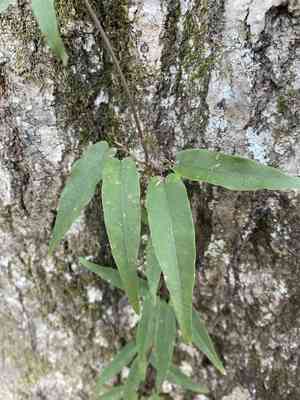
Bignonia (Bignonia) (Bignonia)
Also known as: Trumpet Creeper, Crossvine
The genus Bignonia is named in honor of Abbé Jean-Paul Bignon, a prominent figure in seventeenth-century France. He served as the librarian to King Louis XIV and was an influential patron of the arts and sciences. Documented as early as 1694, Bignonia includes flowering plants, often vines, native to the southern United States and South America.
In This Article
Attributes of Bignonia (Bignonia)
Lifespan
Perennial
Plant Height
6 to 9 meters (20 to 30 feet)
Spread
Up to 4 meters (13 feet)
Leaf Color
Dark green
Flower Size
5 to 8 cm (2 to 3 inches)
Flower Color
Red, orange, yellow
Images of Bignonia (Bignonia)
Quickly Identify Bignonia (Bignonia)
1
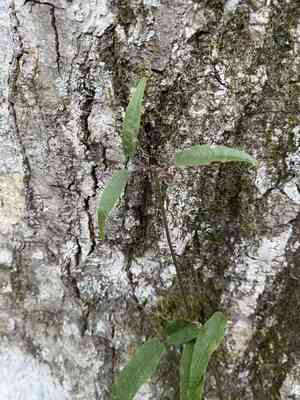
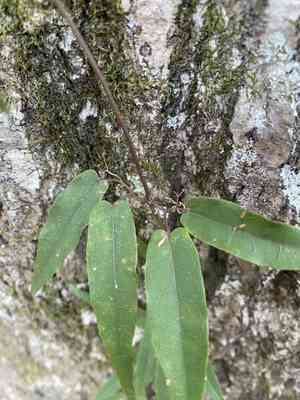
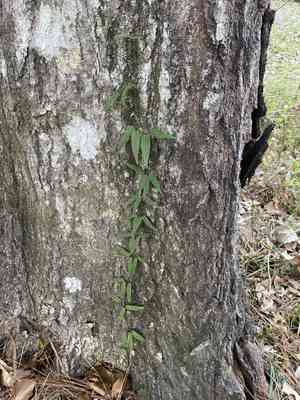
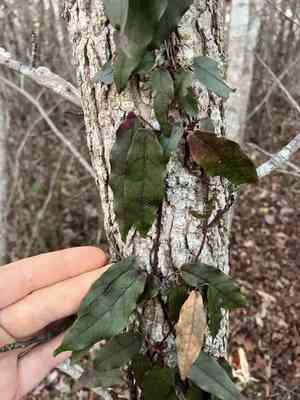
Bignonia can be identified by its trumpet-shaped flowers, which come in various colors such as red, orange, and yellow. The leaves are typically compound and opposite each other on the stem. The vines can climb using tendrils or grow along the ground.
Scientific Classification of Bignonia (Bignonia)
Phylum
Magnoliophyta
Class
Magnoliopsida
Order
Lamiales
Family
Bignoniaceae
Genus
Bignonia
Planting and Growing of Bignonia (Bignonia)
Care Difficulty
Easy
Watering Schedule
Every 3 days
Sunlight Requirements
Full sun
Sunshine Duration
6-10 hours
Ideal Temperature
70-85℉
Soil Type
Potting Mix, Peat Mix
Soil pH
6.5-7.5
Fertilizer Type
Balanced
Pruning Season
Spring, Summer
Pruning Area
Branches, Leaves
Pruning Frequency
2 times a year
Repotting Season
Spring
Pot Type
Plastic, Ceramic
 How to Water Bignonia (Bignonia)?
The watering for Bignonia should be thorough but not excessive. Allow the soil to absorb the water until the top inch is moist, ensuring it drains well to prevent root rot. This plant prefers evenly moist conditions, but it must be allowed to dry out slightly between waterings.
What are the symptoms of an underwatered Bignonia (Bignonia)?
›
What should I do if my Bignonia (Bignonia) is not getting enough water?
›
What are the symptoms of an overwatered Bignonia (Bignonia)?
›
How to save an overwatered Bignonia (Bignonia)?
›
 What Are the Sunlight Requirements for Bignonia (Bignonia)?
Bignonia performs best in full-to-partial sunlight. This range promotes strong growth, abundant flowering, and overall plant vigor. Adequate light also supports photosynthesis and healthy leaf development.
Ideal Light Environment
›
Solutions for Ideal Lighting
›
Benefits of Ideal Light
›
 What Is the Ideal Temperature Range for Bignonia (Bignonia)?
Bignonia thrives best within a temperature range of 70°F to 85°F. This range ensures optimal metabolic function and growth. Temperatures within this interval provide the best environment for cell processes, energy production, and other physiological activities essential for optimal plant health.
 What Soil is Best for Bignonia (Bignonia)?
Bignonia thrives in well-drained soil, which helps prevent root rot by allowing excess water to escape. This type of soil ensures that the roots receive plenty of oxygen, promoting robust growth and vibrant flowering. Bignonia benefits from soil rich in organic matter, providing the nutrients necessary for vigorous growth. Adding compost or well-rotted manure can significantly enhance soil fertility, leading to healthier plants. The soil should retain sufficient moisture to keep the plant hydrated without waterlogging. This balance is crucial for Bignonia, which appreciates consistent moisture for optimal growth but suffers if overly wet.
 How to Fertilize Bignonia (Bignonia)?
For Bignonia, apply a balanced liquid fertilizer at a dilution rate of half the recommended strength to avoid over-fertilization. During the growing season, ensure this is done bi-monthly to maintain healthy growth.
 How to Prune Bignonia (Bignonia)?
While Bignonia can handle regular pruning, avoid cutting back too much at once, which might stress the plant. It's essential to leave enough foliage for photosynthesis, ensuring the plant remains healthy and continues blooming. Be mindful of the sap that may exude from cut stems. This sticky substance can be an irritant to some. If you have sensitive skin, consider wearing gloves while handling the plant to avoid any discomfort.
 How to Propagate Bignonia (Bignonia) plant?
1
Gather seeds from mature Bignonia pods in the late summer or early autumn. Ensure the pods are dry and fully developed for maximum germination potential.
2
Select healthy, young stems approximately 6 inches long for cuttings. Remove the leaves from the lower half to minimize water loss and dip the cut end in rooting hormone.
3
Choose a low-hanging branch and gently bend it to the ground. Make a small wound where the branch will contact the soil, bury it lightly, and secure it with a U-shaped pin.
 How to Repot Bignonia (Bignonia) plant?
1
The perfect signs for repotting Bignonia include roots growing out of the drainage holes and slowed growth. It's best to repot during the active growing seasons, which are spring and summer. This allows the plant to recover more swiftly from the stress of being moved. Repotting at these times also gives the plant a full growing season in its new home, maximizing the potential for growth and stability.
2
Select a pot that is 1-2 inches larger in diameter than the current one. Ensure the pot has good drainage holes to prevent waterlogging. A pot that's too large might hold excess moisture, leading to root rot. Choosing a new pot with this careful measuring ensures room for growth while mitigating the risk of overwatering, fostering a healthier root system.
3
A rich, well-draining potting mix is essential for Bignonia. It should contain a mix of loamy soil, perlite, and organic matter to mimic its natural environment. This soil balance ensures adequate drainage while providing the necessary nutrients for vigorous growth. The well-drained soil prevents the risk of water-based root diseases, allowing Bignonia to thrive.

