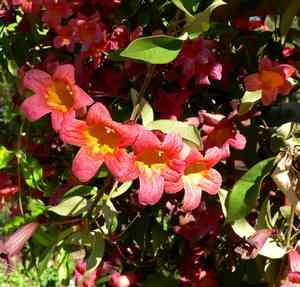
Crossvine(Bignonia capreolata)

Crossvine (Bignonia capreolata)

Also known as: Crossvine

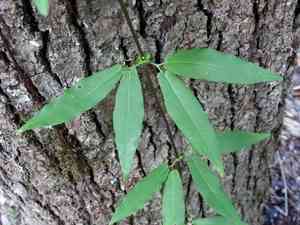
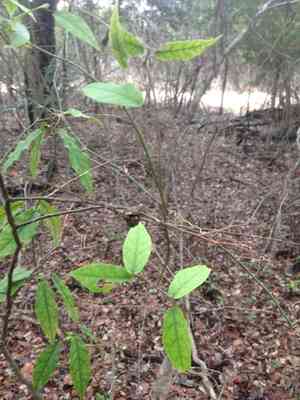
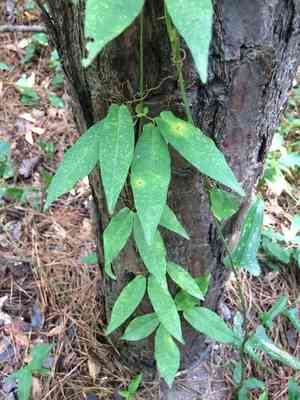
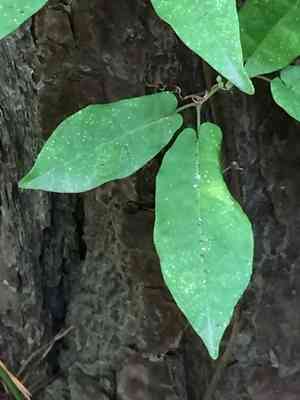
The Crossvine (Bignonia capreolata) is known for its distinctive stem, which, when cut crosswise, reveals a shape resembling a Greek cross. This species varies in color from dark, shiny green to reddish-purple, influenced by its geographic location. The vine climbs by using tendrils to coil around branches.

Attributes of Crossvine

Lifespan
Perennial
Plant Type
Vine
Plant Height
9 m to 15 m
Spread
1.8 m to 2.5 m
Leaf Color
Green Purple
Flower Size
2.5 cm to 8 cm
Flower Color
Red Yellow Orange

PlantJoy - Identify plants with a snap

Identify and diagnose plants, get toxicity alerts, and explore safety guides for all types of fungi.

Try for Free

Images of Crossvine

Crossvine(Bignonia capreolata)

Quickly Identify Crossvine

1
Cruciform inner mark visible in stem cross-section.
2
Leaves with two glossy green leaflets and tendrils.
3
Vibrant flowers in clusters, tubular with flaring mouth.
4
Greenish pods persisting on plant, smooth texture.
5
Woody stem with Greek cross pattern, climbing tendrils.

Scientific Classification of Crossvine

Phylum
Vascular plants
Class
Dicotyledons
Order
Lamiales
Family
Bignonia
Genus
Bignonia
Species
Crossvine

Planting and Growing of Crossvine

Care Difficulty
Easy
Watering Schedule
Every 2 days
Sunlight Requirements
Full sun
Sunshine Duration
6-10 hours
Ideal Temperature
65-75℉
Soil Type
Potting Mix, Peat Mix
Soil pH
6.5-7.5
Fertilizer Type
Balanced
Pruning Season
Spring, Summer
Pruning Area
Branches, Leaves
Pruning Frequency
2 times a year
Repotting Season
Spring
Pot Type
Plastic, Ceramic

water icon How to Water Crossvine?

Bignonia capreolata prefers consistently moist soil, but ensure good drainage to prevent root rot. Water until the top 5 cm of soil feels thoroughly saturated, which generally requires around 500 ml of water per session.
What are the symptoms of an underwatered Crossvine?
What should I do if my Crossvine is not getting enough water?
What are the symptoms of an overwatered Crossvine?
How to save an overwatered Crossvine?
More About Watering Techniques

sunlight icon What Are the Sunlight Requirements for Crossvine?

Sunlight Requirements: Full sun, Partial sun
Duration of light: 6 to 8 hours
Bignonia capreolata thrives in conditions offering full sun to partial sun throughout the day. This exposure ensures robust flowering and strong vine growth, enhancing the plant's ornamental appeal.
How much sunlight does Bignonia capreolata need?
Why is full to partial sun ideal?
What are the solutions for achieving ideal lighting?
More About Sunlight Requirements Techniques

temperature icon What Is the Ideal Temperature Range for Crossvine?

Ideal Temperature: 65 ~ 75℉
The ideal temperature range for Bignonia capreolata, commonly known as crossvine, is between 65°F and 75°F. This range provides optimal conditions for growth and flowering, ensuring that the plant performs admirably in terms of vigor and bloom production. Crossvine tends to thrive in moderate temperatures that mimic its native climate.

soil icon What Soil is Best for Crossvine?

Soil type: Sandy loam, Loam, Sandy soil
Soil PH: 6.5 ~ 7.5
Bignonia capreolata thrives in soil with excellent drainage. It helps prevent root rot caused by water-logging, ensuring healthy growth. Well-drained soils allow air to reach the roots, vital for their respiration. This plant benefits from moderately fertile soil. Too much fertility can lead to excessive foliage with fewer flowers. A balanced nutrient supply supports both lush vine growth and vibrant blooming. Bignonia capreolata prefers soil that is neutral to slightly acidic. This pH level helps in the optimal uptake of nutrients, ensuring the plant has access to essential minerals for robust health. More About Soil

fertilize icon How to Fertilize Crossvine?

Fertilizer type: Balanced
For Bignonia capreolata, when using liquid fertilizer, it is recommended to use a balanced formula at half strength. Apply approximately 250 ml of diluted solution per plant. This ensures the plant receives essential nutrients without risk of overfeeding. More About Fertilizing Techniques

prune icon How to Prune Crossvine?

Pruning Time: Spring, Summer, Autumn
Begin by cutting back any dead, damaged, or diseased branches to the base. This helps prevent the spread of disease and revitalizes the plant. Thin out crowded areas by cutting select stems back to a lateral branch or bud. This opens up the plant, ensuring light penetration and air circulation, which are crucial for healthy growth. After the main blooming period, trim the vine to promote new growth and subsequent flowering. Focus on cutting back shoots that have already flowered. More About Pruning Techniques

propagate icon How to Propagate Crossvine plant?

Propagate Time: Spring, Late spring, Early spring
1
Collect seeds from mature, ripe fruits of Bignonia capreolata. Ensure seeds are dry before planting. This step is crucial as healthy seeds lead to better germination rates.
2
Mix sand and peat moss as a growing medium. This provides a well-draining environment for cuttings, preventing rot. It's essential to ensure the medium retains enough moisture without waterlogging.
3
Identify a low-hanging branch, then nick it and secure with soil. Keep the nicked area moist. This method allows roots to develop while still attached to the parent plant.
More About Propagating Techniques

repot icon How to Repot Crossvine plant?

Repotting frequency: Every 2-3 years
1
Bignonia capreolata shows signs of needing a new pot when its roots begin escaping through the drainage holes. Another sign is when the plant's growth seems stunted despite optimal care. Repotting during spring or summer ensures the plant is in a growth phase, which aids recovery.
2
When selecting a pot for Bignonia capreolata, ensure it has sufficient drainage holes to prevent waterlogging, which can harm root health. A pot that's one to two inches larger in diameter than your current pot is ideal, allowing the roots ample space to grow without overwhelming them with too much extra soil.
3
Opt for a soil mixture that retains enough moisture for Bignonia capreolata but also drains well to prevent root rot. A blend with organic matter like compost or peat moss is beneficial, as it provides nutrients while maintaining good aeration, allowing roots to breathe and grow efficiently.

PlantJoy - Identify plants with a snap

Find the best spots for them to optimize their health, simply using your phone.

Try for Free

Toxicity of Crossvine

Is Crossvine toxic to humans?

The crossvine exhibits mild toxicity and generally poses a threat only when consumed in significant quantities. It contains reserpine, a chemical that serves as a sedative in minimal doses but can lead to a variety of hazardous and unpleasant effects if ingested in larger amounts. Initially, the side effect includes nasal congestion, which may escalate to nausea, vomiting, ulcers, abdominal cramps, diarrhea, hypotension, bradycardia, sedation, erectile dysfunction, dizziness, weakness, general fatigue, excessive drowsiness, vivid nightmares, and symptoms resembling Parkinson's disease. It is crucial to keep crossvines out of reach of small children.

Is Crossvine toxic to cat?

Crossvine presents a minor toxicity threat to felines. Every part of the crossvine plant can potentially be harmful if ingested in large amounts. Cats that ingest crossvine may suffer physical distress as a result of the plant's toxic characteristics, though exact symptoms are not specifically detailed. If there's a suspicion that a cat has consumed crossvine, it is essential to pursue prompt veterinary attention to address any potential illness and prevent more severe health issues.

Is Crossvine toxic to dog?

Crossvine is identified as having mild toxicity levels for dogs. Instances of poisoning usually happen when a dog ingests significant quantities of the plant. Every part of the crossvine is regarded as toxic and may present a danger if ingested by dogs. The symptoms associated with poisoning can differ but may include digestive disturbances, vomiting, or diarrhea. It is essential for pet owners to keep a close watch on their animals and restrict their access to crossvine to prevent any risk of poisoning. Should a dog consume crossvine, it is crucial to seek immediate veterinary assistance to ensure the most favorable outcome for the animal.

Identify toxic plants for your safety

Learn which plants are harmful to you and your pets, and make informed choices for a safer home!

Try for Free
WARNING
The judgment on toxicity and danger is for reference only. We DO NOT GUARANTEE any accuracy of such judgment. Therefore, you SHALL NOT rely on such judgment. It is IMPORTANT TO SEEK PROFESSIONAL ADVICE in advance when necessary.
More About Toxic Techniques