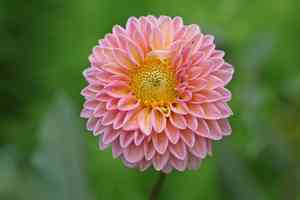
Bigelow's beggarticks (Bidens bigelovii)
Also known as: Bigelow's beggartick
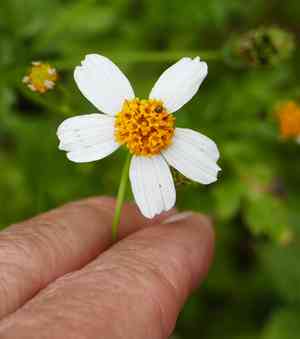
Bigelow's beggarticks (Bidens bigelovii) stand out due to their bright yellow blooms with a central cluster of dark disc florets, giving them a distinctive appearance. This resilient plant flourishes in arid environments, utilizing its narrow, elongated leaves to minimize water loss. The plant's notable feature, the 'beggar-ticks,' refers to its barbed seeds that readily attach to animals and people, aiding in effective seed dispersal.
In This Article
Attributes of Bigelow's beggarticks
Lifespan
Annual
Plant Type
Herb
Plant Height
0 mm to 91 cm
Spread
20-30 cm
Leaf Color
Green
Flower Size
3-4 cm
Flower Color
Yellow
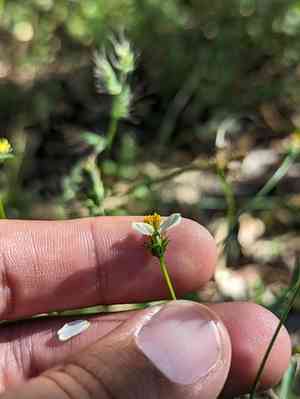
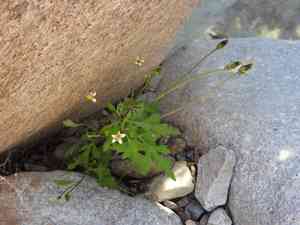
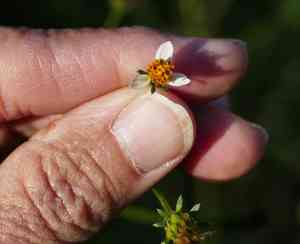
Images of Bigelow's beggarticks
Quickly Identify Bigelow's beggarticks
1
To identify Bidens bigelovii, look for its yellow, daisy-like flowers with long, slender petals and a central disc. The plant typically has serrated leaves and can be found in moist environments such as riverbanks and wet meadows.
Scientific Classification of Bigelow's beggarticks
Phylum
Vascular plants
Class
Dicotyledons
Order
Asterales
Family
Daisy
Genus
Beggarticks
Species
Bigelow's beggarticks
Planting and Growing of Bigelow's beggarticks
Care Difficulty
Moderate
Watering Schedule
Every 3 days
Sunlight Requirements
Full sun
Sunshine Duration
4-8 hours
Ideal Temperature
65-75℉
Soil Type
Potting Mix, Peat Mix
Soil pH
6.5-7.5
Fertilizer Type
Balanced
Pruning Season
Spring, Summer
Pruning Area
Branches, Leaves
Pruning Frequency
2 times a year
Repotting Season
Spring
Pot Type
Plastic, Ceramic
 How to Water Bigelow's beggarticks?
For Bidens bigelovii, the appropriate watering amount is around 250 ml. The soil should be thoroughly moistened, but ensure that excess water drains off. It's crucial not to leave the soil waterlogged; the water should reach the plant's root level while allowing the top layer to dry out slightly between waterings.
What are the symptoms of an underwatered Bigelow's beggarticks?
›
What should I do if my Bigelow's beggarticks is not getting enough water?
›
What are the symptoms of an overwatered Bigelow's beggarticks?
›
How to save an overwatered Bigelow's beggarticks?
›
 What Are the Sunlight Requirements for Bigelow's beggarticks?
Bidens bigelovii prefers 6 to 8 hours of full sun, promoting vibrant blooms and healthy foliage, ensuring the plant is more resistant to diseases and pests due to its robust vigor.
Identifying Ideal Light Levels
›
Solutions for Optimal Lighting
›
Benefits of Optimal Light
›
 What Is the Ideal Temperature Range for Bigelow's beggarticks?
The ideal temperature range for Bidens bigelovii is between 65 to 75 degrees Fahrenheit. These temperatures facilitate optimal metabolic activities within the plant, helping it to grow robustly and achieve optimal blooms. Providing consistent day and night temperatures within this range ensures that the plant does not experience stress that might impact its health and flowering capacity.
 What Soil is Best for Bigelow's beggarticks?
Bidens bigelovii thrives in well-drained soil conditions, which prevent root rot by allowing excess water to escape. This is crucial for healthy root development and ensures the plant receives adequate oxygen. A soil rich in organic matter and nutrients supports the vigorous growth of Bidens bigelovii. Organic compost or well-rotted manure can be mixed into the soil to enhance its fertility, leading to healthy foliage and prolific flowering. Maintaining a soil pH between 6.5 and 7.5 is vital for the optimal nutrient uptake of Bidens bigelovii. This range ensures essential nutrients like nitrogen, phosphorus, and potassium are readily available to the plant.
 How to Fertilize Bigelow's beggarticks?
Bidens bigelovii appreciates a balanced amount of nutrients to thrive. Generally, use a fertilizer rate of about half the recommended dose specified on the fertilizer packaging for the liquid option, ensuring not to overwhelm the plant. For solid fertilizers, a small handful per square foot of growing space is typically sufficient. This avoids nutrient burnout while keeping the plant adequately supplied.
 How to Prune Bigelow's beggarticks?
Start by sterilizing your pruning shears with rubbing alcohol to prevent disease. Identify and remove any dead, damaged, or diseased stems first to improve plant health. Next, trim back any leggy growth to encourage a bushier appearance. Aim to cut just above a node or a leaf, which encourages new growth. Remember to step back occasionally to assess the shape of the plant. The goal is to maintain a pleasing, balanced shape while encouraging new blooms. Finally, dispose of all trimmed material properly to avoid spreading disease.
More About Pruning Techniques→
 How to Propagate Bigelow's beggarticks plant?
1
Collect and clean seeds to remove any debris or pulp. This encourages successful germination and prevents fungal growth during the initial stages.
2
Choose healthy and disease-free stems for cutting. Select stems about 4-6 inches long with at least two nodes as these cuttings root more effectively.
3
Divide the plant during the cooler part of the day to minimize stress. Ensure each division has roots attached to enhance successful establishment.
 How to Repot Bigelow's beggarticks plant?
1
Bidens bigelovii usually requires repotting when you notice roots circling the pot's edge or growth slows significantly. Optimal time is during Spring or Autumn when the plant is neither in dormancy nor peak flowering. Look for pots that seem distorted as another sign.
2
Choose a pot that is one to two inches larger in diameter than the current pot. This prevents water from pooling and provides room for roots to expand. The new pot should also have drainage holes to prevent waterlogging, which can lead to root rot.
3
Opt for a well-draining, loamy soil mix. This composition ensures adequate aeration and moisture retention without becoming waterlogged. A loamy mix typically contains sand, silt, and a smaller amount of clay, supporting robust root growth and nourishment.



