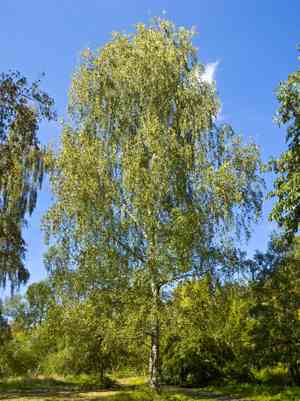
Betula (Betula) (Betula)
Also known as: Birch, White Birch, Paper Birch
Birch trees, found globally, are notable for their bark that peels off in strips, except in the case of the gray birch. They are significant pollen producers, contributing to around 20% of hay fever cases in the northern hemisphere. Historically, birch bark has been utilized for making paper, dating back to first-century Afghan texts and writings by ancient Romans. Additionally, birch sap and syrup are traditional treats in various cultures.
In This Article
Attributes of Betula (Betula)
Lifespan
Perennial
Plant Height
10 to 30 meters (33 to 98 feet)
Spread
5 to 10 meters (16 to 33 feet)
Leaf Color
Green
Flower Size
Not significant; tiny flowers in catkins
Flower Color
Greenish-yellow
Images of Betula (Betula)
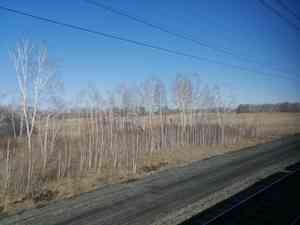
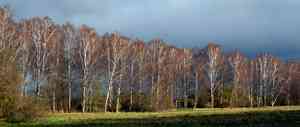
Quickly Identify Betula (Betula)
1
Identify birches by looking for their distinctive white, peeling bark and triangular leaves with serrated edges. The catkins, which are slim, cylindrical flower clusters, are also a key identifier.
Scientific Classification of Betula (Betula)
Phylum
Magnoliophyta
Class
Magnoliopsida
Order
Fagales
Family
Betulaceae
Genus
Betula
Planting and Growing of Betula (Betula)
Care Difficulty
Moderate
Watering Schedule
Every 3 days
Sunlight Requirements
Full sun
Sunshine Duration
4-6 hours
Ideal Temperature
60-75℉
Soil Type
Potting Mix, Peat Mix
Soil pH
5-6.5
Fertilizer Type
Balanced
Pruning Season
Spring, Summer
Pruning Area
Branches, Leaves
Pruning Frequency
2 times a year
Repotting Season
Spring
Pot Type
Plastic, Ceramic
 How to Water Betula (Betula)?
For Betula, water thoroughly so that the soil is consistently moist but not waterlogged. Aim for about 500ml per watering session, ensuring the water reaches the deeper roots. This helps the tree maintain a steady growth pattern, supporting its lush green foliage.
What are the symptoms of an underwatered Betula (Betula)?
›
What should I do if my Betula (Betula) is not getting enough water?
›
What are the symptoms of an overwatered Betula (Betula)?
›
How to save an overwatered Betula (Betula)?
›
 What Are the Sunlight Requirements for Betula (Betula)?
Betula thrives in full sun to partial sun conditions. Ideally, it should receive 4 to 6 hours of sun exposure daily. Adequate light ensures prolific growth, vibrant leaves, and strengthens its natural defense mechanisms.
Optimal Sun Exposure
›
Positioning the Plant
›
Maintaining Healthy Growth
›
 What Is the Ideal Temperature Range for Betula (Betula)?
The ideal temperature range for Betula, commonly known as birch trees, is between 60°F and 75°F. Within this range, birch trees can photosynthesize effectively, maintain strong cellular function, and exhibit optimal growth patterns. Ensuring that the ambient temperature stays within this range promotes healthy foliage, enhances disease resistance, and supports a robust root system.
 What Soil is Best for Betula (Betula)?
Betula trees require well-drained soils to thrive. This ensures that water doesn’t settle around the roots, preventing root rot and fostering healthy tree growth. While the soil should be well-drained, it must also retain some moisture. Adequate moisture supports the tree's vigorous growth and contributes to lush foliage. Betula trees flourish in nutritionally rich soils. This nutrient abundance supports robust growth and a vibrant canopy, making the tree resilient to environmental stressors.
 How to Fertilize Betula (Betula)?
For Betula trees, apply liquid fertilizer at a quarter of the concentration recommended on the product label. When using slow-release fertilizer, use around 250 grams per square meter of soil area, ensuring the nutrients sustain growth without overwhelming the plant.
 How to Prune Betula (Betula)?
Begin by identifying branches that cross or rub against each other, removing these first. This encourages a healthy structure and allows light to penetrate through the canopy. Aim to remove no more than 25% of the crown in one session to avoid stress on the tree. Carefully inspect the tree for any dead, diseased, or damaged wood. Using loppers or a pruning saw, remove these problematic branches to maintain the tree's health and appearance. Make cuts at a 45-degree angle just above a bud if possible.
 How to Propagate Betula (Betula) plant?
1
Collect seeds from mature birch trees during late autumn. Ensure the seeds are free from disease and pests to enhance the chances of successful germination.
2
Select healthy branches from a mature birch tree in early spring. Cut sections that are approximately 15-20 cm long using sharp pruning shears.
3
Choose a lower branch during early spring, bend it to the ground, and secure it with wire or a staple. Cover part of the branch with soil, ensuring at least a few buds are buried.
 How to Repot Betula (Betula) plant?
1
Look for signs such as roots growing out of the drainage holes, soil that dries out too quickly, or stunted growth. These indicators suggest it's time for repotting. Ideally, repotting should be done when the plant is actively growing in spring or summer.
2
Select a pot that is one size larger than the current one, with good drainage holes. This prevents waterlogging, facilitating healthy root growth. Opt for materials like clay or ceramic as they provide stability and help regulate soil moisture.
3
Choose a well-draining, loamy soil mix that retains essential nutrients and moisture without becoming waterlogged. This ensures the plant receives adequate oxygen and nutrients for optimal growth and prevents root rot.

