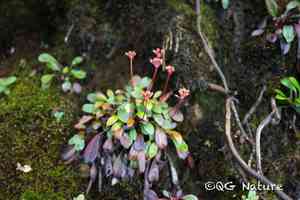
Berneuxia thibetica (Berneuxia thibetica)
Also known as: Thibetan Berneuxia
Berneuxia thibetica is a cushion-shaped evergreen shrub that produces clusters of pretty pink or white blossoms atop leaves that are arranged in a spiral shape. Thibetica in its Latin name means 'of Tibet', which indeed this plant is. It can also be found in fir forests in parts of China.
In This Article
Attributes of Berneuxia thibetica
Lifespan
Perennial
Plant Type
Herb
Plant Height
40 cm
Spread
30 cm
Leaf Color
Dark green
Flower Size
1-2 cm
Flower Color
White Purple
Images of Berneuxia thibetica
Quickly Identify Berneuxia thibetica
1
Berneuxia thibetica can be identified by its thick, leathery leaves which are broadly ovate and have a glossy surface. The plant produces small clusters of pink, bell-shaped flowers on a leafless stalk.
Scientific Classification of Berneuxia thibetica
Phylum
Vascular plants
Class
Dicotyledons
Order
Ericales
Family
Diapensia
Genus
Berneuxia
Species
Berneuxia thibetica
Planting and Growing of Berneuxia thibetica
Care Difficulty
Hard
Watering Schedule
Every 4 days
Sunlight Requirements
Partial sun
Sunshine Duration
4-8 hours
Ideal Temperature
60-75℉
Soil Type
Potting Mix, Peat Mix
Soil pH
6.5-7.5
Fertilizer Type
Balanced
Pruning Season
Spring, Summer
Pruning Area
Branches, Leaves
Pruning Frequency
2 times a year
Repotting Season
Spring
Pot Type
Ceramic, Plastic
 How to Water Berneuxia thibetica?
When watering Berneuxia thibetica, ensure the soil is thoroughly moistened yet not waterlogged. Approximately 250 milliliters per watering session should suffice, allowing the water to drain slowly through the pot for even distribution.
What are the symptoms of an underwatered Berneuxia thibetica?
›
What should I do if my Berneuxia thibetica is not getting enough water?
›
What are the symptoms of an overwatered Berneuxia thibetica?
›
How to save an overwatered Berneuxia thibetica?
›
 What Are the Sunlight Requirements for Berneuxia thibetica?
Partial sun to full shade is perfect for Berneuxia thibetica. This balance of light supports lush foliage development, prevents overheating, and simulates its natural environment, leading to a healthier plant.
What is the optimal sunlight exposure?
›
How can I achieve these light conditions?
›
What benefits does ideal lighting provide?
›
 What Is the Ideal Temperature Range for Berneuxia thibetica?
For Berneuxia thibetica, the ideal temperature range for optimal growth is between 60°F and 75°F. Within this range, the plant exhibits robust health, showing vibrant foliage and sustainable development. This temperature range is crucial as it supports its metabolic processes and photosynthesis, ensuring the plant achieves its growth potential.
 What Soil is Best for Berneuxia thibetica?
Berneuxia thibetica thrives in well-drained soil, preventing root rot and ensuring that the roots receive the necessary aeration for optimal growth. Proper drainage also helps avoid waterlogging, which is crucial for maintaining plant health. This plant requires moderately moist soil conditions to mimic its natural habitat. Keeping the soil consistently moist without being overly saturated allows the plant to absorb adequate nutrients and supports vigorous growth. A nutrient-rich soil boosts the vitality of Berneuxia thibetica. Ensuring that the soil is enriched with organic matter provides the essential nutrients that support flowering and healthy foliage.
 How to Fertilize Berneuxia thibetica?
For Berneuxia thibetica, it's crucial to ensure the right amount of fertilizer is used. When using liquid fertilizer, aim for a solution at half the recommended strength. Apply approximately 100 ml per plant. For solid fertilizer, use a balanced, slow-release type with a teaspoon per plant.
 How to Prune Berneuxia thibetica?
Start by identifying any dead or damaged leaves or stems. Removing these not only improves appearance but also allows the plant's resources to be better utilized for healthy growth. Prune to achieve the desired shape by cutting back overgrown branches. Focus on maintaining airflow through the plant's center to prevent fungal diseases. After pruning, water the plant adequately and consider applying a balanced fertilizer. This aids in recovery and supports the plant’s regrowth.
More About Pruning Techniques→
 How to Propagate Berneuxia thibetica plant?
1
Harvest seeds from mature Berneuxia thibetica plants. Ensure that seeds are fully ripe. Clean them by removing any surrounding fruit pulp and let them dry before sowing.
2
Choose healthy stems and use sterile pruning shears to cut 10-15 cm sections. Remove lower leaves and dip the cut end in rooting hormone to enhance root development.
3
Dig up the plant and gently separate clumps into smaller sections. Ensure each division has roots and at least one growing point. Replant immediately to minimize stress.
 How to Repot Berneuxia thibetica plant?
1
Look for signs like roots emerging from drainage holes or perched on top of the soil, indicating it's time for repotting. Berneuxia thibetica thrives when given a bit more space and fresh soil to rejuvenate its growth.
2
Select a pot that's one size larger with good drainage. This ensures the roots have space to grow and prevents water logging, protecting the plant from root rot and ensuring healthy growth.
3
Opt for well-draining, rich soil that retains some moisture but doesn't become waterlogged. It supports healthy root development by providing necessary nutrients and proper aeration.
Learn More About Berneuxia thibetica Diseases
Anthracnose
Bacterial Leaf Spot
Bacterial Soft Rot
Bacterial Wilt
Crown Gall
Cyst Nematode
Damping-off
Downy Mildew
Fusarium Wilt
Gray Mold
Leaf Curl
Leaf Spot
Mosaic
Powdery Mildew
Root Rot
Root-knot Nematode
Rusts
Sooty Mold
White Mold
Chemical Injury
Drought Stress
Nutrient Deficiency
Nutrient Toxicity
Spider Mites
Temperature Stress
Thrips Damage



