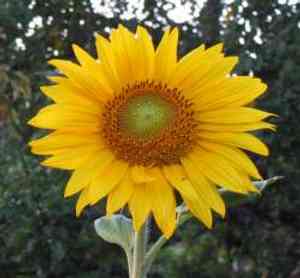
Florida greeneyes (Berlandiera subacaulis)
Also known as: Heart-leaf Greeneyes
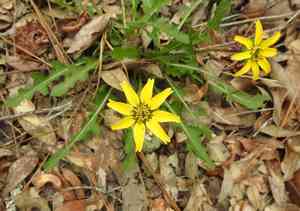
Lanceleaf coreopsis is a perennial herb that thrives in the sandy soils of North American pine savannas. It features a low-growing rosette of leaves and produces bright yellow, daisy-like flowers with maroon centers. These vivid flowers, supported by slender stems, rise slightly above the foliage, attracting pollinators and adding a touch of color to the habitat from spring to early summer.
In This Article
Attributes of Florida greeneyes
Lifespan
Perennial
Plant Type
Herb
Plant Height
30 cm to 91 cm
Spread
Approximately 0.3 to 0.5 meters
Leaf Color
Green
Flower Size
2.5 to 4 centimeters
Flower Color
Yellow (with green centers)
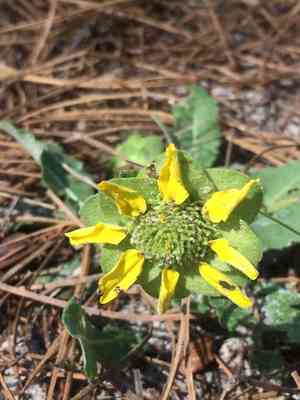
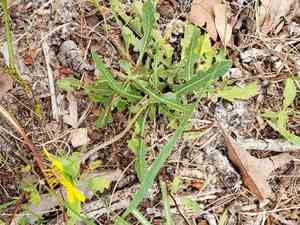
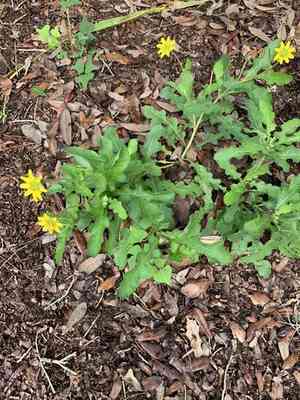
Images of Florida greeneyes
Quickly Identify Florida greeneyes
1
To identify Berlandiera subacaulis, look for its distinctive heart-shaped leaves and bright yellow daisy-like flowers. The flowers typically have a green center, which gives it its common name \'Greeneyes\'.
Scientific Classification of Florida greeneyes
Phylum
Vascular plants
Class
Dicotyledons
Order
Asterales
Family
Daisy
Genus
Greeneyes
Species
Florida greeneyes
Planting and Growing of Florida greeneyes
Care Difficulty
Easy
Watering Schedule
Every 2 days
Sunlight Requirements
Full sun
Sunshine Duration
6-10 hours
Ideal Temperature
65-75℉
Soil Type
Potting Mix, Peat Mix
Soil pH
6.5-7.5
Fertilizer Type
Balanced
Pruning Season
Spring, Summer
Pruning Area
Branches, Leaves
Pruning Frequency
2 times a year
Repotting Season
Spring
Pot Type
Plastic, Ceramic
 How to Water Florida greeneyes?
When watering Berlandiera subacaulis, aim for about 250 ml each time. The key indicator is to ensure that the soil is moist but not waterlogged. Allow the water to penetrate deeply until it starts to drain from the bottom of the pot, but always ensure good drainage to prevent root rot.
What are the symptoms of an underwatered Florida greeneyes?
›
What should I do if my Florida greeneyes is not getting enough water?
›
What are the symptoms of an overwatered Florida greeneyes?
›
How to save an overwatered Florida greeneyes?
›
 What Are the Sunlight Requirements for Florida greeneyes?
The ideal light range for Berlandiera subacaulis is full sun, which encourages vigorous growth, abundant flowering, and a healthier plant. Optimal sunlight ensures its vibrant color and enhances its aesthetic appeal.
How much sunlight does it need?
›
What is the best position for optimal light?
›
How to manage sunlight during cloudy days?
›
 What Is the Ideal Temperature Range for Florida greeneyes?
For optimal growth, Berlandiera subacaulis thrives best in temperatures ranging from 65°F to 75°F. This range ensures that metabolic processes occur efficiently, promoting healthy growth and blooming. Maintaining temperatures within this range helps prevent stress and supports robust development of this plant.
 What Soil is Best for Florida greeneyes?
Berlandiera subacaulis thrives in soil with moderate nutrient levels. Rich soils can lead to excessive growth and reduced flowering, so a balanced soil that provides all essential nutrients without over-fertilization is ideal. This plant requires soil that drains well to prevent waterlogging, which can cause root rot. Ensuring good drainage helps maintain healthy roots, promoting vigorous growth and vibrant flowers. While drainage is crucial, the soil should also retain enough moisture to nourish the plant between waterings. This balance helps sustain the plant without the need for constant attention.
 How to Fertilize Florida greeneyes?
The appropriate amount of fertilizer for Berlandiera subacaulis should be moderate to avoid nutrient burn while also ensuring adequate growth. A general recommendation would be to use half the manufacturer’s recommended strength for liquid fertilizers to start and adjust based on plant response.
 How to Prune Florida greeneyes?
Begin by closely examining Berlandiera subacaulis for any signs of dead or dying foliage. Identify crossed or crowded branches that need removal to allow air and light penetration. When pruning, make clean cuts just above a bud or lateral leaf to encourage new growth. Angling the cut helps water runoff and prevents decay. Regularly deadhead faded blooms to promote sustained blooming throughout the season. This directs the plant's energy into producing more flowers rather than seed development.
More About Pruning Techniques→
 How to Propagate Florida greeneyes plant?
1
Gather mature seeds from the plant after the flowering period. Make sure the seeds are fully ripened, and dry them thoroughly before storage to prevent mold or rot.
2
Select healthy stems for cutting. Cut just below a node to ensure proper rooting. Remove the lower leaves and dip the cut end in rooting hormone to promote root development.
3
Divide the plant by carefully separating the roots into sections, ensuring each section has sufficient roots and shoots. Replant immediately and water thoroughly to reduce transplant shock.
 How to Repot Florida greeneyes plant?
1
Repotting Berlandiera subacaulis is best undertaken in spring when the plant is emerging from dormancy. Signs that your plant may need repotting include roots growing through the drainage holes, the plant becoming top-heavy, or a noticeable decline in growth. Repotting during this time ensures minimal stress and allows the plant to adjust as it starts actively growing.
2
Choose a pot that is one size larger than the current one, ensuring it has good drainage holes. A pot that is too large can retain too much water, leading to root rot, while a pot that's too small can restrict root growth. Terra cotta pots are ideal as they allow for excellent air circulation to the roots.
3
Select a well-drained sandy loam soil that's slightly acidic to neutral. This type of soil mimics the native conditions of Berlandiera subacaulis, ensuring optimal nutrient uptake and water drainage, preventing root rot while supporting healthy plant growth.



