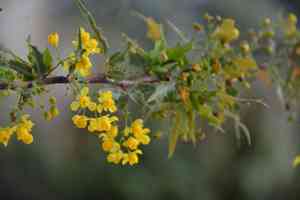
Nevin's barberry (Berberis nevinii)
Also known as: Nevin's barberry
According to the 1910 Bulletin of the New York Botanical Garden, populations of the rare species were historically located in the San Fernando Valley, particularly near the Tujunga wash and the Garnsey neighborhood. The species was noted as being rare and primarily found on the sandy slopes along the eastern edge of the valley, within the Upper Sonoran life zone.
In This Article
Attributes of Nevin's barberry
Lifespan
Perennial
Plant Type
Shrub
Plant Height
1.8 m to 3.5 m
Spread
6-8 feet
Leaf Color
Dark green
Flower Size
0.5 inches
Flower Color
Bright yellow
Images of Nevin's barberry
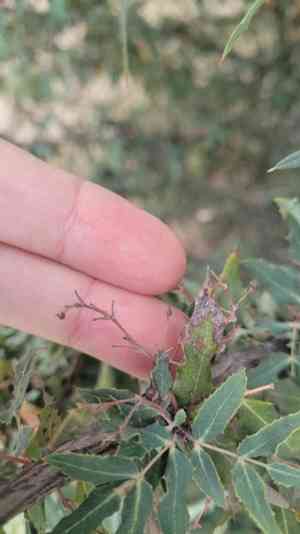
Quickly Identify Nevin's barberry
1
Robust stature, 6-10 feet (1.8-3 meters) in height with gray-blue foliage.
2
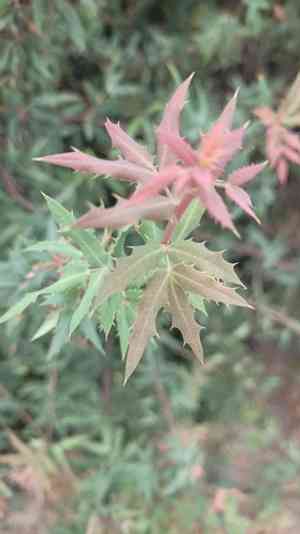
3-5 leathery, spear-shaped leaflets with pinkish hue in new growth.
3
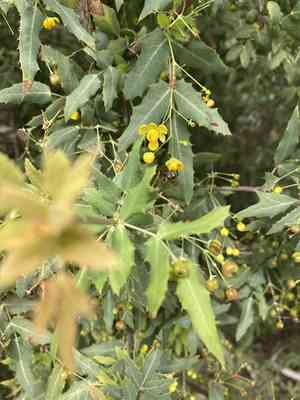
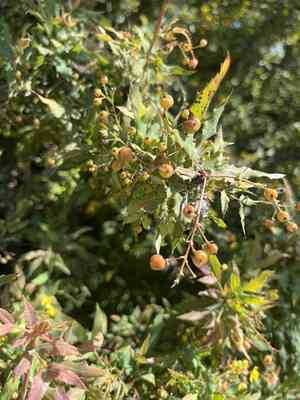
Bright yellow flowers in clusters transitioning to red berries by summer.
4
Ornamental berries favored by birds, adding wildlife support.
Scientific Classification of Nevin's barberry
Phylum
Vascular plants
Class
Dicotyledons
Order
Ranunculales
Family
Barberry
Genus
salmon barberry
Species
Nevin's barberry
Planting and Growing of Nevin's barberry
Care Difficulty
Easy
Watering Schedule
Every 2 days
Sunlight Requirements
Full sun
Sunshine Duration
4-8 hours
Ideal Temperature
65-75℉
Soil Type
Potting Mix, Peat Mix
Soil pH
6.5-7.5
Fertilizer Type
Balanced
Pruning Season
Spring, Summer
Pruning Area
Branches, Leaves
Pruning Frequency
2 times a year
Repotting Season
Spring
Pot Type
Plastic, Ceramic
 How to Water Nevin's barberry?
Berberis nevinii prefers deep watering sessions. Aim for about 1000 milliliters. This amount ensures the soil is moistened thoroughly, allowing water to reach the root depths while promoting robust root growth. Water deeply once but allow the soil to dry out between waterings.
What are the symptoms of an underwatered Nevin's barberry?
›
What should I do if my Nevin's barberry is not getting enough water?
›
What are the symptoms of an overwatered Nevin's barberry?
›
How to save an overwatered Nevin's barberry?
›
 What Are the Sunlight Requirements for Nevin's barberry?
Berberis nevinii benefits from full to partial sun, preferable around 6 to 8 hours daily. This range supports its colorful foliage and strong growth, enabling the plant to maintain its structural integrity and resistance to pests.
What is the best lighting for Berberis nevinii?
›
How to achieve ideal lighting conditions for Berberis nevinii?
›
What benefits does ideal lighting bring to Berberis nevinii?
›
 What Is the Ideal Temperature Range for Nevin's barberry?
The ideal temperature range for cultivating Berberis nevinii is between 65°F and 75°F. This range allows the plant to perform essential biological functions efficiently, promoting healthy growth and development. Within this comfortable temperature zone, metabolic activities such as photosynthesis and respiration are optimized, ensuring robust and vigorous growth.
 What Soil is Best for Nevin's barberry?
Nevin's Barberry thrives best in well-drained soils that allow water to flow freely. This characteristic prevents waterlogging, protecting the roots from rot and ensuring adequate aeration. Good drainage is crucial for promoting healthy root development and overall plant vigor. The plant prefers moderately fertile soils that provide essential nutrients without overwhelming it. Overly fertile soils can lead to excessive foliage at the expense of flower and fruit production. Balanced fertility ensures optimal growth and vibrant color in foliage. Maintaining a soil pH between 6.5 and 7.5 helps Nevin's Barberry absorb the nutrients it requires effectively. This pH range supports enzyme function and nutrient availability, contributing to robust growth and resilience against pests and diseases.
 How to Fertilize Nevin's barberry?
For Berberis nevinii, use approximately 1/4 cup of granular fertilizer per plant, spreading it evenly around the base without touching the stem. For liquid fertilizer, mix a balanced 10-10-10 formula at a ratio of 1 tablespoon per gallon of water.
 How to Prune Nevin's barberry?
Begin by removing any dead or diseased branches to keep the plant healthy. Use sharp, clean pruning shears to ensure clean cuts. Shape the shrub by selectively trimming the outer branch tips. Aim for a balanced look, maintaining its natural shape while controlling its size. Focus on opening up the center of the shrub to improve airflow. This process not only keeps the plant aesthetically pleasing but also promotes healthier growth. Thinning cuts are essential for Berberis nevinii, as they help encourage better light penetration and air movement within the plant. Remove entire branches at their point of origin rather than cutting them halfway. This method helps in reducing density without altering the natural growth habit of the shrub. Perform thinning cuts during the dormant season to prepare the plant for vigorous spring growth.
More About Pruning Techniques→
 How to Propagate Nevin's barberry plant?
1
Start by selecting healthy, disease-free stems from the Berberis nevinii plant. Cut a section of approximately 4-6 inches in length using clean pruning shears to avoid introducing pathogens.
2
Mix equal parts of peat moss and perlite to create a light, well-draining soil mixture. This will ensure the cuttings or seeds have access to both moisture and aeration, critical for root development.
3
Dip the freshly cut ends of the Berberis nevinii cuttings into rooting hormone to enhance root growth. Insert the cuttings into the pre-prepared soil mix, ensuring at least half of the cutting is buried.
 How to Repot Nevin's barberry plant?
1
Berberis nevinii should be repotted when you notice roots emerging from the drainage holes, or the plant's growth appears stunted. These signs indicate that the plant is root-bound and needs more space to thrive, typically observed after two or three growing seasons.
2
Opt for a pot that is 1-2 inches larger in diameter than the current one. This ensures the plant has ample room to expand its root system without being overwhelmed by too much soil that could retain excess moisture. A pot with drainage holes is crucial to prevent waterlogging.
3
For Berberis nevinii, select a well-draining, sandy loam soil to ensure proper aeration and moisture management. This type of soil prevents root rot and promotes healthy growth by allowing water to trickle through, preventing saturation.



