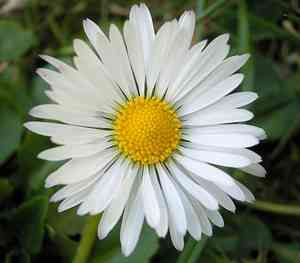
Bellis (Bellis) (Bellis)
Also known as: Daisy, Lawn Daisy, Common Daisy
*Bellis* is a well-known genus of flowering plants that typically produce a single large flower per stem. These plants are frequently used by gardeners for bedding purposes. Predominantly found in Europe and the Mediterranean, species within this genus are generally perennials.
In This Article
Attributes of Bellis (Bellis)
Lifespan
Perennial
Plant Height
5-20 cm
Spread
10-30 cm
Leaf Color
Green
Flower Size
2-3 cm
Flower Color
White, Pink
Images of Bellis (Bellis)
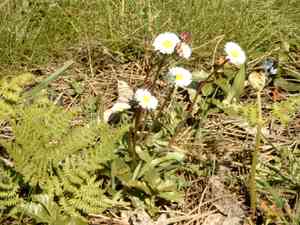
Quickly Identify Bellis (Bellis)
1
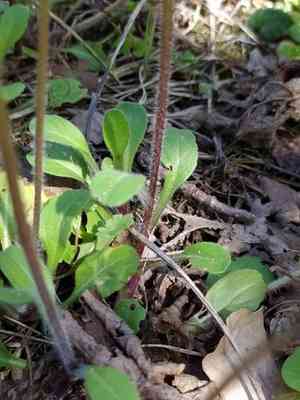
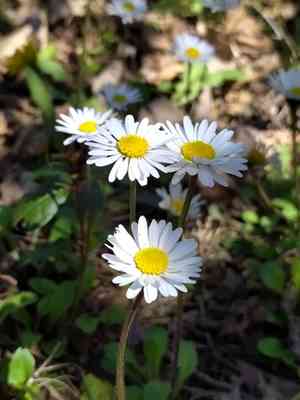
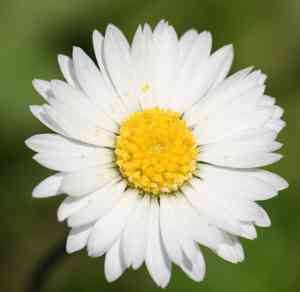
Bellis can be identified by their small, round flower heads with white or pink petals and yellow centers. The leaves are usually spoon-shaped and form a rosette at the base.
Scientific Classification of Bellis (Bellis)
Phylum
Magnoliophyta
Class
Magnoliopsida
Order
Asterales
Family
Asteraceae
Genus
Bellis
Planting and Growing of Bellis (Bellis)
Care Difficulty
Easy
Watering Schedule
Every 4 days
Sunlight Requirements
Full sun
Sunshine Duration
6-10 hours
Ideal Temperature
60-75℉
Soil Type
Potting Mix, Peat Mix
Soil pH
6-7.5
Fertilizer Type
Balanced
Pruning Season
Spring, Summer
Pruning Area
Branches, Leaves
Pruning Frequency
2 times a year
Repotting Season
Spring
Pot Type
Plastic, Ceramic
 How to Water Bellis (Bellis)?
For Bellis, the watering amount should be carefully measured. Typically, about 150 milliliters each time is sufficient, ensuring that the soil is moist but not soggy. The key principle is to water deeply enough so that moisture reaches the root zone, yet the soil should dry slightly between watering sessions to avoid waterlogging.
What are the symptoms of an underwatered Bellis (Bellis)?
›
What should I do if my Bellis (Bellis) is not getting enough water?
›
What are the symptoms of an overwatered Bellis (Bellis)?
›
How to save an overwatered Bellis (Bellis)?
›
 What Are the Sunlight Requirements for Bellis (Bellis)?
Partial to full sunlight throughout the day ensures the best growth for Bellis, promoting vibrant blossoms and healthy foliage. This balance allows the plant to capitalize on sun exposure for energy while ensuring acclimation to avoid heat stress and maintain a lively appearance.
What is the ideal location for Bellis?
›
How to achieve ideal lighting with limited sun exposure?
›
What are the benefits of ideal lighting for Bellis?
›
 What Is the Ideal Temperature Range for Bellis (Bellis)?
The ideal temperature range for Bellis, between 60°F and 75°F, provides optimal conditions for photosynthesis and growth. This temperature band ensures that metabolic processes occur efficiently, promoting vibrant flowering and healthy foliage development.
 What Soil is Best for Bellis (Bellis)?
Bellis thrives in well-drained soils that prevent water accumulation. This helps in avoiding root rot and ensures optimal oxygen supply to the roots, promoting healthy growth and vibrant blooms. These plants prefer soils that retain some moisture but aren't soggy. Consistent moisture helps Bellis maintain lush foliage and increases its resistance to stress from heat or drought. Bellis benefits from a soil rich in organic matter, which provides essential nutrients. This fosters vigorous plant development, boosting both flower production and foliage health.
 How to Fertilize Bellis (Bellis)?
For Bellis, a moderate amount of balanced fertilizer is needed. Avoid over-fertilizing as it can lead to excessive leaf growth at the expense of flowers. Use about half a teaspoon of liquid fertilizer per gallon of water or a slow-release fertilizer at the rate of 1/4 cup per square meter.
 How to Prune Bellis (Bellis)?
Begin by removing any dead or damaged leaves from the plant to promote better air circulation. Next, cut back any stems with spent flowers just above a leaf node to encourage new flowering. Be sure to make angled cuts to reduce water retention on cut surfaces. While pruning, aim to maintain a balanced shape by trimming taller stems to match the rest of the foliage. This ensures the plant looks symmetric and receives equal sunlight exposure all around.
 How to Propagate Bellis (Bellis) plant?
1
Begin by filling a seed tray with well-draining compost. Scatter the Bellis seeds thinly over the surface and cover them lightly with a thin layer of compost. Water gently and cover with a clear lid or plastic wrap to maintain humidity, ensuring they are in a sunny area to encourage germination.
2
When the Bellis plants have grown, use a garden fork to carefully dig up the plants. Gently separate the roots into smaller sections, using a sharp knife if necessary. Replant each section in prepared soil immediately to prevent drying out and ensure a successful new growth cycle.
3
Once the seedlings are large enough to handle, about 3 inches tall, transplant them into individual pots or carefully spaced in the garden. Ensure each plant gets adequate space and sunlight for optimal growth and cover the roots well with soil to prevent any exposure.
 How to Repot Bellis (Bellis) plant?
1
Repotting Bellis is crucial when you observe roots emerging from the drainage holes, or if the soil becomes compacted and waterlogged. These signs indicate that the plant requires more space or better soil aeration to thrive.
2
Choose a pot that is one size larger than the current one and ensures good drainage. This prevents root rot and allows adequate space for root expansion. A suitable pot promotes healthier growth and vibrant blooms.
3
Select a well-draining potting mix tailored for flowering plants. This ensures proper water retention and aeration, promoting healthy root growth and abundant flowering. The right soil prevents waterlogging and nutrient deficiencies.

