
Common daisy (Bellis perennis)
Also known as: English daisy, Meadow daisy, Bruisewort
The common daisy is known for its distinctive flowers and has been a staple in European and American folklore for centuries, symbolizing childlike innocence. While edible in small amounts and often added to salads, sandwiches, soups, or tea, consuming daisies in large quantities can lead to digestive issues due to their potential toxicity.
Attributes of Common daisy
Images of Common daisy
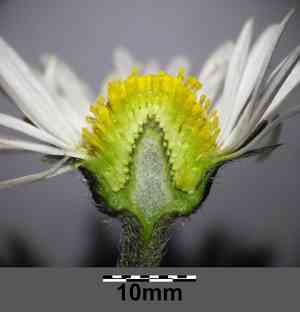
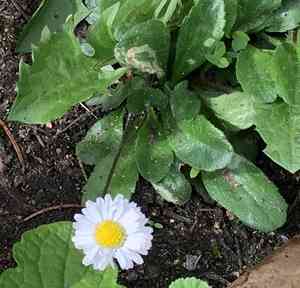
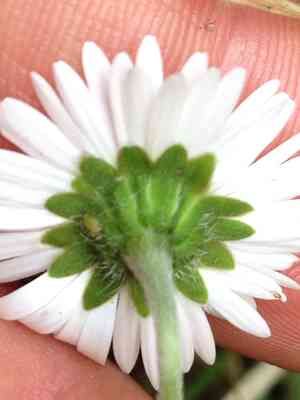
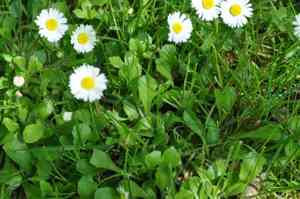
Quickly Identify Common daisy
Scientific Classification of Common daisy
Planting and Growing of Common daisy
 How to Water Common daisy?
 What Are the Sunlight Requirements for Common daisy?
 What Is the Ideal Temperature Range for Common daisy?
 What Soil is Best for Common daisy?
 How to Fertilize Common daisy?
 How to Prune Common daisy?
 How to Propagate Common daisy plant?
 How to Repot Common daisy plant?
Toxicity of Common daisy
Is Common daisy toxic to cat?
The common daisy poses a toxic threat to cats. Should a cat consume any part of this plant, including the flowers, fruits, leaves, roots, seeds, stems, or sap/juice, it is susceptible to poisoning. Accidental ingestion is the most frequent route through which cats encounter common daisy toxins. After exposure, they may display general signs of physical discomfort, such as lethargy or digestive distress. Regrettably, specific symptoms can vary and may not appear right away. Cat owners need to remain alert and seek immediate veterinary assistance if they suspect their cat has ingested any portion of the common daisy, as timely intervention is essential for a favorable outcome.
Is Common daisy toxic to dog?
The common daisy is regarded as a toxic plant for dogs. If dogs ingest any part of the common daisy—such as its flowers, fruits, leaves, roots, seeds, stems, or sap—they can suffer poisoning. This ingestion may happen inadvertently during outdoor play or while foraging. After consuming common daisy, dogs can show various symptoms, including gastrointestinal distress, vomiting, diarrhea, excessive salivation, or more severe reactions depending on the quantity ingested. It is essential for dog owners to closely supervise their pets and restrict their access to common daisy. In cases where a dog is suspected of having ingested this toxic plant, seeking immediate veterinary assistance is vital to ensure timely and effective treatment.



