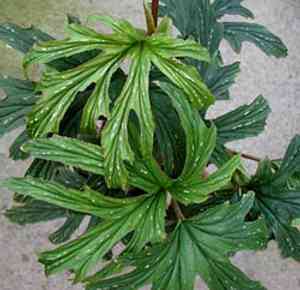
Begonias (Begonia) (Begonia)
Also known as: Begonia, Wax Begonia, Angel-wing Begonia
Begonias are a widely varied group of plants with over 10,000 different types. They are celebrated for their striking and colorful flowers, as well as their attractive foliage. These plants are a staple in warm-climate gardens and parks globally. While they add vibrant beauty to any setting, begonias can be somewhat challenging to grow due to their sensitivity to cold and their preference for high humidity. In regions with cooler climates, they are often kept as indoor plants.
Attributes of Begonias (Begonia)
Images of Begonias (Begonia)




Quickly Identify Begonias (Begonia)
Scientific Classification of Begonias (Begonia)
Planting and Growing of Begonias (Begonia)
 How to Water Begonias (Begonia)?
 What Are the Sunlight Requirements for Begonias (Begonia)?
 What Is the Ideal Temperature Range for Begonias (Begonia)?
 What Soil is Best for Begonias (Begonia)?
 How to Fertilize Begonias (Begonia)?
 How to Prune Begonias (Begonia)?
 How to Propagate Begonias (Begonia) plant?
 How to Repot Begonias (Begonia) plant?
Toxicity of Begonias (Begonia)
Is Begonias (Begonia) toxic to humans?
Begonias are popular decorative flowering plants found extensively around the globe. Nevertheless, they possess toxic properties that can be harmful to both humans and animals.
Is Begonias (Begonia) toxic to cat?
All varieties of begonias possess a moderate level of toxicity for cats if consumed. The plant's leaves and stems contain minuscule, needle-like crystals within their sap. Once ingested, a cat may experience severe burning sensations and irritation in its mouth, often leading to vomiting. While this is not typically life-threatening, the discomfort can be significant, and it's advisable to reach out to your veterinarian for guidance on how to alleviate the cat’s suffering.
Is Begonias (Begonia) toxic to dog?
Plants belonging to the Begonia genus exhibit varying levels of toxicity, ranging from mild to severe for dogs. The degree of toxicity is influenced by the specific species and the quantity ingested. All parts of begonias contain calcium oxalate, with the highest concentrations found in the roots. When consumed, they can cause irritation and a burning sensation in the mouth and throat, often resulting in difficulties with swallowing and a reduced appetite. Additionally, symptoms such as vomiting and diarrhea may ensue. In severe instances, particularly when substantial amounts are ingested, this could lead to kidney failure, coma, or even death. Fortunately, due to the unpleasant taste of these plants, dogs typically consume only small amounts.


