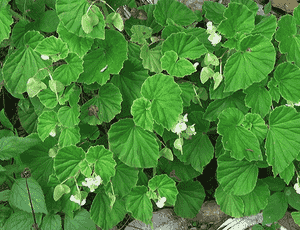
Brazilian begonia (Begonia hirtella)
Also known as: Begonia, Downy Begonia
The Brazilian Begonia, native to Brazil and also found in Peru, is an excellent choice for shady flowerbeds or as a potted plant. It is appreciated for its attractive, upright stems and delicate white flowers.
In This Article
Attributes of Brazilian begonia
Lifespan
Perennial, Annual
Plant Type
Herb
Plant Height
15-30 cm
Spread
15-25 cm
Leaf Color
Green Blue
Flower Size
1-2 cm
Flower Color
White
Images of Brazilian begonia
Quickly Identify Brazilian begonia
1
Look for its hairy leaves and stems, which are typically green and can have a slight sheen. The leaves are often asymmetric with serrated edges. Flowers are typically small and white or pink.
Scientific Classification of Brazilian begonia
Phylum
Vascular plants
Class
Dicotyledons
Order
Cucurbitales
Family
Begonia
Genus
Begonias
Species
Brazilian begonia
Planting and Growing of Brazilian begonia
Care Difficulty
Easy
Watering Schedule
Every 4 days
Sunlight Requirements
Partial sun
Sunshine Duration
6-8 hours
Ideal Temperature
65-75℉
Soil Type
Potting Mix, Peat Mix
Soil pH
6.5-7.5
Fertilizer Type
Balanced
Pruning Season
Spring, Summer
Pruning Area
Branches, Leaves
Pruning Frequency
2 times a year
Repotting Season
Spring
Pot Type
Plastic, Ceramic
 How to Water Brazilian begonia?
For Begonia hirtella, ensure the soil is evenly moist but not waterlogged. Water until you see some drainage but avoid soaking the soil completely. This plant thrives with consistent but moderate watering. If the top inch of soil feels dry, it's time to water.
What are the symptoms of an underwatered Brazilian begonia?
›
What should I do if my Brazilian begonia is not getting enough water?
›
What are the symptoms of an overwatered Brazilian begonia?
›
How to save an overwatered Brazilian begonia?
›
 What Are the Sunlight Requirements for Brazilian begonia?
Partial sun is ideal, offering 2 to 4 hours of dappled sunlight. This helps Begonia hirtella maintain robust growth and vibrant foliage without succumbing to heat stress.
More About Sunlight Requirements Techniques→
What type of sunlight does Begonia hirtella prefer?
›
How can you create ideal lighting conditions for Begonia hirtella indoors?
›
What benefits does Begonia hirtella gain from ideal lighting?
›
 What Is the Ideal Temperature Range for Brazilian begonia?
For Begonia hirtella, the ideal temperature range is between 65-75°F. This range ensures optimal growth and health, allowing the plant to photosynthesize efficiently while maintaining proper cellular function. Below this range, the plant might experience stunted growth, and above this range, it could be at risk of heat stress.
 What Soil is Best for Brazilian begonia?
Begonia hirtella thrives in well-draining soil, which prevents root rot and ensures proper aeration for roots. Such soil allows excess water to escape easily, making it essential for the plant's overall health and growth. The plant benefits from soil rich in organic matter, which provides essential nutrients for growth and robustness. Nutrient-rich soil supports healthy leaf coloration and vigorous flowering, enhancing the plant's ornamental value. While well-draining, the soil should also retain some moisture to support continuous hydration. Retentive soil helps in maintaining consistent moisture levels around the roots, preventing stress and promoting steady growth.
 How to Fertilize Brazilian begonia?
Begonia hirtella thrives with a moderate amount of fertilizer. For optimal growth, use a balanced liquid fertilizer diluted to half-strength. Apply approximately 100ml per plant during the active growing season to avoid over-fertilization.
 How to Prune Brazilian begonia?
Begin by removing any dead, damaged, or diseased foliage from the base of the plant. This will not only improve the plant's appearance but also focus energy on healthy growth. Removing old leaves can reduce pest problems and make room for new leaves to thrive. Trim back longer stems to shape the Begonia hirtella into a well-balanced form. This is particularly important if the plant is growing unevenly. Use your shears to clip just above a leaf node at a 45-degree angle, encouraging new growth to spread outwards and filling in gaps. After the initial growth spurt in spring, trim the plant to encourage more blooms. Focus on tips of the branches where flower buds form. Removing spent flowers can prolong the blooming period and push the plant to produce more vibrant blossoms.
More About Pruning Techniques→
 How to Propagate Brazilian begonia plant?
1
Use a well-draining soil mix, combining peat and sand or a commercial seed-starting mix to ensure it retains enough moisture without becoming waterlogged. This type of soil mix promotes root growth and prevents fungal diseases.
2
Spread the seeds evenly over the surface of the prepared soil in the seed tray. Lightly press them into the soil surface; some seeds need light to germinate and should not be covered thoroughly.
3
Select a healthy stem without any signs of disease or insect damage and cut just below a node to a length of 10-15 cm. Remove any lower leaves to expose nodes for root development.
 How to Repot Brazilian begonia plant?
1
Repot Begonia hirtella when you notice roots growing through the drainage holes or when the plant's growth has slowed despite optimal care. These are signals that the roots need more space to spread, generally every couple of years. Spring or summer is ideal because the plant is in its active growing period, allowing it to recover quickly from transplantation.
2
Select a pot that is one size larger, ideally with a diameter 2-3 inches greater than the current one. Ensure that it has drainage holes to prevent waterlogging. Using a slightly bigger pot helps control soil moisture better and provides room for root expansion, crucial for the plant's overall health and growth.
3
Pick a well-draining, peat-based potting mix, rich in organic matter to mimic its natural habitat. This type of soil retains enough moisture without staying soggy, providing Begonia hirtella with the right balance of hydration and aeration, necessary for healthy root development.
Learn More About Brazilian begonia Diseases
Anthracnose
Bacterial Leaf Spot
Bacterial Soft Rot
Chemical Injury
Crown Gall
Damping-off
Downy Mildew
Drought Stress
Fusarium Wilt
Gray Mold
Leaf Curl
Leaf Spot
Mosaic
Nutrient Deficiency
Nutrient Toxicity
Powdery Mildew
Root Rot
Root-knot Nematode
Sooty Mold
Spider Mites
Temperature Stress
Thrips Damage
White Mold



