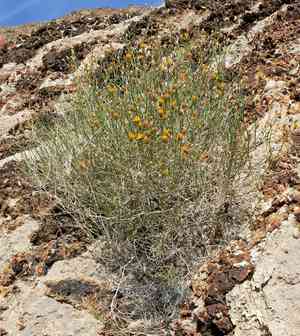
Sweetbushes (Bebbia) (Bebbia)
Also known as: Sweetbush
Bebbia, commonly known as Sweetbushes, is a genus of aromatic shrubs within the daisy family (Asteraceae). These plants are indigenous to the southwestern United States and northern Mexico. They produce numerous yellow disc flowers. According to the Global Compositae Checklist and The Plant List, there are two accepted species within this genus.
In This Article
Attributes of Sweetbushes (Bebbia)
Lifespan
Perennial
Plant Height
1-2 meters
Spread
1-1.5 meters
Leaf Color
Green
Flower Size
1-2 cm
Flower Color
Yellow
Images of Sweetbushes (Bebbia)
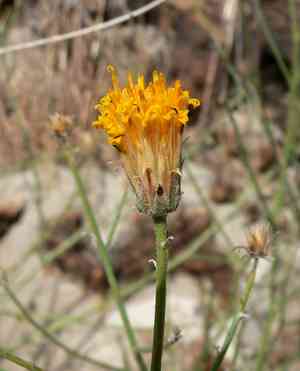

Quickly Identify Sweetbushes (Bebbia)
1
Bebbia can be identified by its yellow flowers and aromatic, desert-adapted foliage. It typically grows in dry, rocky soils and has a distinctive sweet smell.
Scientific Classification of Sweetbushes (Bebbia)
Phylum
Magnoliophyta
Class
Magnoliopsida
Order
Asterales
Family
Asteraceae
Genus
Bebbia
Planting and Growing of Sweetbushes (Bebbia)
Care Difficulty
Moderate
Watering Schedule
Every 2 days
Sunlight Requirements
Full sun
Sunshine Duration
6-10 hours
Ideal Temperature
65-80℉
Soil Type
Potting Mix, Peat Mix
Soil pH
6.5-7.5
Fertilizer Type
Balanced
Pruning Season
Spring, Summer
Pruning Area
Branches, Leaves
Pruning Frequency
Once a year
Repotting Season
Spring
Pot Type
Plastic, Ceramic
 How to Water Sweetbushes (Bebbia)?
For the Bebbia plant, each watering session should provide approximately 250 milliliters of water. This is because Bebbia requires a balance of moisture without becoming waterlogged. Water until the soil is moist but not soggy, allowing excess water to drain away.
What are the symptoms of an underwatered Sweetbushes (Bebbia)?
›
What should I do if my Sweetbushes (Bebbia) is not getting enough water?
›
What are the symptoms of an overwatered Sweetbushes (Bebbia)?
›
How to save an overwatered Sweetbushes (Bebbia)?
›
 What Are the Sunlight Requirements for Sweetbushes (Bebbia)?
Bebbia thrives in full sun with 8-10 hours of exposure. Proper lighting ensures robust growth, promoting lush foliage and abundant flowering, which are essential for its ornamental use and ecological role in the garden.
What is the ideal lighting condition for Bebbia?
›
How can you provide ideal lighting for Bebbia in a less sunny location?
›
What benefits does Bebbia gain from ideal lighting conditions?
›
 What Is the Ideal Temperature Range for Sweetbushes (Bebbia)?
The ideal temperature range for cultivating Bebbia plants lies between 65°F and 80°F. This range ensures optimal growth and flowering conditions. Maintaining temperatures within this range helps the plant perform essential physiological functions efficiently, leading to robust growth.
 What Soil is Best for Sweetbushes (Bebbia)?
Bebbia thrives in well-drained soils that prevent waterlogging, which can lead to root rot. Ensuring that the soil drains well helps maintain healthy root systems and supports robust plant growth. This plant prefers soils with moderate nutrient availability. Too rich a soil can lead to excessive growth that compromises the plant's structural integrity, while nutrient-poor soils can stunt its growth. Incorporating organic matter into the soil can improve its texture and moisture retention capacity, providing Bebbia with consistent conditions for sustainable growth.
 How to Fertilize Sweetbushes (Bebbia)?
For Bebbia, the fertilization should be moderate. Apply approximately one tablespoon of liquid fertilizer per gallon of water. When using slow-release granules, use around 1/4 cup spread evenly around the base of the plant.
 How to Prune Sweetbushes (Bebbia)?
Start by identifying and removing any dead or damaged branches. These do not contribute to the health of the plant and can be cut back to their base to encourage new growth. After dealing with damaged branches, trim the plant back to maintain a desired shape. Focus on cutting just above a leaf node to promote the emergence of new shoots.
 How to Propagate Sweetbushes (Bebbia) plant?
1
Begin by collecting mature seeds from the Bebbia plant. It's important to dry the seeds properly in a cool, dark place to prevent mold growth. Once dried, some seeds may benefit from a period of stratification, which involves chilling them to simulate winter conditions, effectively breaking dormancy and promoting germination. Plant the seeds in seedling trays filled with well-draining potting mix and keep them moist but not waterlogged.
2
Select healthy, non-flowering stems from the Bebbia plant for cuttings. Each cutting should be around 4-6 inches long, making sure to cut below a node. Remove the lower leaves, leaving a few at the top. Dip the cut end in rooting hormone to encourage quicker root development. Plant the cutting in a well-draining potting mix and keep it in a warm, humid environment to promote rooting.
3
For division propagation, remove the Bebbia plant from its pot or ground and gently separate the root ball into sections with a sharp knife or spade. Each section should have a healthy portion of roots and shoots. Replant the divisions into separate pots or garden locations, ensuring that they are at the same depth as they were previously. Water thoroughly to help establish the divisions.
 How to Repot Sweetbushes (Bebbia) plant?
1
Bebbia shows it's time for a new pot when roots protrude the drainage holes or the plant's growth stalls. Spring is the ideal season, as the plant enters a growth phase, allowing it to recover swiftly from the repotting stress.
2
Opt for a pot that is just a size larger than the current one, providing room for growth without overwhelming the roots. Ensure it has ample drainage holes to prevent waterlogging, which could lead to root rot. The right pot supports healthy root expansion and plant stability.
3
Select a well-draining sandy mix to mimic Bebbia's natural habitat. This ensures roots receive adequate air and water doesn't accumulate, curbing the risk of root rot. A proper mix supports nutrient uptake and robust growth.
Learn More About Sweetbushes (Bebbia) Diseases
Anthracnose
Bacterial Leaf Spot
Bacterial Wilt
Chemical Injury
Crown Gall
Cyst Nematode
Damping-off
Downy Mildew
Drought Stress
Fusarium Wilt
Gray Mold
Leaf Spot
Mosaic
Nutrient Deficiency
Nutrient Toxicity
Powdery Mildew
Root Rot
Root-knot Nematode
Rusts
Sooty Mold
Spider Mites
Temperature Stress
Thrips Damage
White Mold

