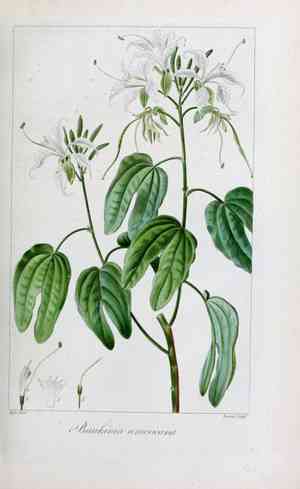
Mexican orchid tree (Bauhinia divaricata)
Also known as: Pom pom orchid tree
The Mexican orchid tree (Bauhinia mexicana) is an excellent choice for ornamental gardens because of its striking, orchid-like white flowers that bloom prolifically over a long period. Its compact size makes it ideal for yards, as it doesn't grow too large. This tree is also valued for being drought-tolerant and requiring minimal maintenance, making it perfect for a variety of climates. Additionally, it thrives in well-drained soils, further enhancing its appeal for home landscapes.
In This Article
Attributes of Mexican orchid tree
Lifespan
Perennial
Plant Type
Tree
Plant Height
2-5 meters
Spread
1-3 meters
Leaf Color
Green
Flower Size
3-5 cm
Flower Color
White with occasional pink tinges
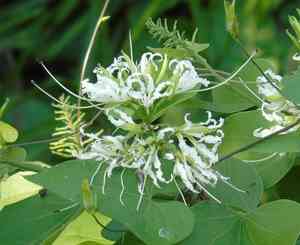
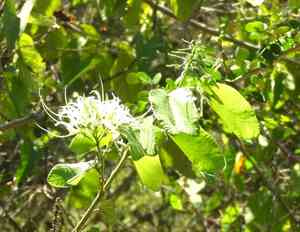
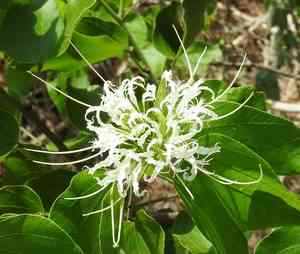
Images of Mexican orchid tree
Quickly Identify Mexican orchid tree
1
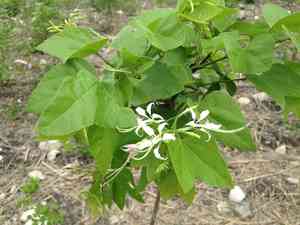
To identify Bauhinia divaricata, look for its distinct twin-lobed, heart-shaped leaves. The small tree or shrub also features white or slightly pinkish flowers and long, slender seed pods.
Scientific Classification of Mexican orchid tree
Phylum
Vascular plants
Class
Dicotyledons
Order
Fabales
Family
Legume
Genus
Orchid trees
Species
Mexican orchid tree
Planting and Growing of Mexican orchid tree
Care Difficulty
Easy
Watering Schedule
Every 3 days
Sunlight Requirements
Full sun
Sunshine Duration
8-12 hours
Ideal Temperature
68-77℉
Soil Type
Potting Mix, Peat Mix
Soil pH
6.5-7.5
Fertilizer Type
Balanced
Pruning Season
Spring, Summer
Pruning Area
Branches, Leaves
Pruning Frequency
2 times a year
Repotting Season
Spring
Pot Type
Plastic, Ceramic
 How to Water Mexican orchid tree?
For Bauhinia divaricata, ensure that the soil is thoroughly moistened when watering, but not waterlogged. Aim for about 500 ml of water per session, making sure the excess can drain out to prevent root rot.
What are the symptoms of an underwatered Mexican orchid tree?
›
What should I do if my Mexican orchid tree is not getting enough water?
›
What are the symptoms of an overwatered Mexican orchid tree?
›
How to save an overwatered Mexican orchid tree?
›
 What Are the Sunlight Requirements for Mexican orchid tree?
Bauhinia divaricata thrives best under full to partial sun. Ideal light encourages abundant flowering, vibrant leaves, and robust growth by enhancing photosynthesis.
What is the ideal amount of sunlight?
›
How to achieve ideal lighting?
›
Benefits of ideal sunlight exposure?
›
 What Is the Ideal Temperature Range for Mexican orchid tree?
The ideal temperature range for Bauhinia divaricata cultivation lies between 68°F and 77°F. This range ensures optimal growth and blooming. Temperatures within this range provide the best environment for metabolic processes, aiding in photosynthesis and nutrient uptake. If maintained consistently, plants are likely to exhibit vibrant foliage and abundant flowering.
 What Soil is Best for Mexican orchid tree?
Bauhinia divaricata thrives in well-drained soil conditions as it prevents root rot and ensures the roots receive adequate oxygen. This is crucial for its growth as poor drainage leads to waterlogged conditions that can be detrimental to the plant. A nutrient-rich soil boosts the growth of Bauhinia divaricata by supplying essential minerals and nutrients. It promotes vigorous blooming and overall plant health, ensuring that the plant reaches its full ornamental potential. This plant benefits from soil that holds moisture but isn't overly wet. Moderate moisture retention helps maintain a stable water supply, reducing the risk of drought stress while preventing the roots from sitting in water.
 How to Fertilize Mexican orchid tree?
For Bauhinia divaricata, the appropriate amount of fertilizer depends on its size and growth stage. A balanced liquid fertilizer diluted to half-strength is recommended. Generally, 100 ml per plant once every two weeks during active growth should suffice. Over-fertilizing can harm the plant, so start with a lower dose and increase only if necessary.
 How to Prune Mexican orchid tree?
Begin by removing any dead, damaged, or diseased branches to maintain plant health. Proceed by cutting crossing or rubbing branches to promote a strong structure. Focus on opening up the center of the plant to improve air circulation, which helps in reducing fungal diseases. Finally, trim back any overgrown areas to shape the plant and encourage bushier growth. When pruning Bauhinia divaricata, aim to create a balanced shape by evenly spacing the branches. Regular trimming not only helps in maintaining an aesthetic appearance but also ensures that light penetrates the foliage, fostering even growth and healthy flowering.
More About Pruning Techniques→
 How to Propagate Mexican orchid tree plant?
1
For cutting propagation, select healthy stems and use sterilized pruning shears for cutting. This prevents disease transfer and promotes cleaner cut surfaces.
2
Before sowing, soak seeds in water for 24 hours. This helps soften the seed coat, aiding germination. Use lukewarm water to simulate natural warm conditions.
3
Dip cut ends of the stems in rooting hormone before planting. This stimulates root development and increases the chances of successful propagation.
 How to Repot Mexican orchid tree plant?
1
Repot Bauhinia divaricata when you notice its roots protruding from the drainage holes or if the current pot seems overcrowded with a mass of roots. This usually means the plant has outgrown its space and needs a larger pot to flourish. Spring and autumn are ideal seasons for repotting this plant.
2
Select a pot that is one size larger than the current one, ensuring it has adequate drainage holes. A pot that is too large can retain excess moisture, leading to root rot. The right-sized pot balances space for growth and avoids waterlogging, promoting healthy plant development.
3
Opt for a well-draining potting mix that mimics its natural environment. Bauhinia divaricata thrives in soil rich in organic matter with additional sand or perlite to enhance drainage. This soil composition prevents water accumulation and ensures the plant's roots are aerated, promoting robust growth.
Learn More About Mexican orchid tree Diseases
Anthracnose
Bacterial Leaf Spot
Bacterial Wilt
Crown Gall
Damping-off
Downy Mildew
Drought Stress
Fusarium Wilt
Gray Mold
Leaf Curl
Leaf Spot
Mosaic
Nutrient Deficiency
Nutrient Toxicity
Powdery Mildew
Root Rot
Root-knot Nematode
Rusts
Sooty Mold
Spider Mites
Temperature Stress
Thrips Damage
White Mold



