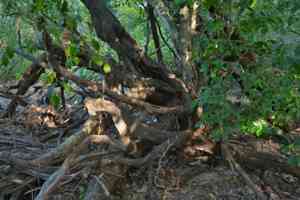
Pegunny (Bauhinia binata)
Also known as: Lysiphyllum binatum, Lysiphyllum madagascariense
The pegunny can be located in coastal and mangrove ecosystems, thriving in low-lying areas slightly above sea level. Despite being a substantial vine, it exhibits flowering and fruiting patterns similar to those of a shrub.
In This Article
Attributes of Pegunny
Lifespan
Perennial
Plant Height
3 to 10 meters
Spread
Up to 5 meters
Leaf Color
Green
Flower Size
5 to 7 centimeters
Flower Color
White to light pink
Images of Pegunny
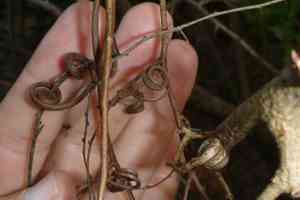
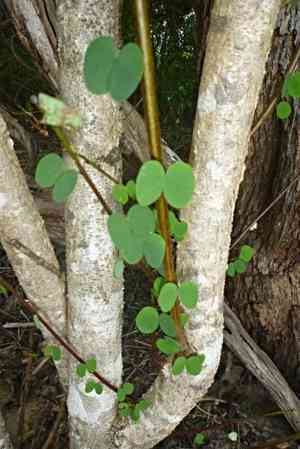

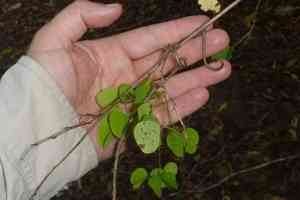
Quickly Identify Pegunny
1
To identify Bauhinia binata, look for its unique bifoliate leaves, which are divided into two symmetric lobes. The plant often has white to light pink flowers that resemble orchids.
Scientific Classification of Pegunny
Phylum
Vascular plants
Class
Dicotyledons
Order
Fabales
Family
Legume
Genus
Orchid trees
Species
Pegunny
Planting and Growing of Pegunny
Care Difficulty
Moderate
Watering Schedule
Every 2 days
Sunlight Requirements
Full sun
Sunshine Duration
4-8 hours
Ideal Temperature
68-86℉
Soil Type
Potting Mix, Peat Mix
Soil pH
6.5-7.5
Fertilizer Type
Balanced
Pruning Season
Spring, Summer
Pruning Area
Branches, Leaves
Pruning Frequency
2 times a year
Repotting Season
Spring
Pot Type
Plastic, Ceramic
 How to Water Pegunny?
Bauhinia binata prefers a moderate amount of water. It's important to water the plant until the top 2-3 inches of soil are moist but not waterlogged. Allow the soil to dry slightly between waterings to prevent root rot.
What are the symptoms of an underwatered Pegunny?
›
What should I do if my Pegunny is not getting enough water?
›
What are the symptoms of an overwatered Pegunny?
›
How to save an overwatered Pegunny?
›
 What Are the Sunlight Requirements for Pegunny?
Bauhinia binata ideally enjoys full sun to partial sun. Adequate sunlight enhances its lush foliage and vibrant flowers, supporting healthy vitality throughout the growing season.
What is the best lighting condition for Bauhinia binata?
›
Where should I place Bauhinia binata for optimal lighting?
›
How does ideal lighting benefit Bauhinia binata?
›
 What Is the Ideal Temperature Range for Pegunny?
Bauhinia binata thrives best within an ideal temperature range of 68°F to 86°F. Within this range, the plant experiences optimal metabolic activity, resulting in robust growth and enhanced flowering. Consistent temperatures help maintain the plant's physiological balance, crucial for healthy development.
 What Soil is Best for Pegunny?
Bauhinia binata thrives in well-drained soils to prevent root rot. Good drainage ensures that excess water doesn't accumulate, which can otherwise lead to fungal diseases and compromised growth. The plant benefits from soils enriched with organic matter. Nutrient-rich soils provide essential elements like nitrogen, phosphorous, and potassium, resulting in vigorous growth and enhanced flowering. While adequate drainage is crucial, the soil should also be capable of retaining some moisture. Consistent soil moisture levels support steady growth and help the plant withstand periods of drought.
 How to Fertilize Pegunny?
When fertilizing Bauhinia binata, use a balanced fertilizer with an N-P-K ratio of 10-10-10. For liquid fertilizers, mix 1 tablespoon per gallon of water every two weeks during the growing season.
 How to Prune Pegunny?
When pruning Bauhinia binata, start by sterilizing your pruning tools to prevent the spread of disease. Focus on removing any dead or dying branches as these can harbor pests and reduce the plant’s overall health. Always prune back to a natural fork or toward the main trunk. To stimulate new, vigorous growth, trim back branches just above a node or bud, cutting at a slight angle to allow moisture to run off. This promotes the plant’s growth by directing energy to the remaining buds and branches, encouraging a fuller and more robust bloom.
More About Pruning Techniques→
 How to Propagate Pegunny plant?
1
Choose healthy branches from a mature Bauhinia binata that are free from disease or pest infestations. This ensures that your cuttings have the best chance of rooting and growing into healthy plants.
2
Cut the selected branches into 4-6 inch segments. Remove any flowers or seed pods to allow the cutting to direct energy towards root development.
3
Insert the cuttings into a well-draining medium, such as a mix of peat and perlite. Keep the cuttings in a warm, humid environment to encourage rooting.
 How to Repot Pegunny plant?
1
Bauhinia binata shows signs of needing repotting when roots start escaping through drainage holes or the plant's growth appears stunted. Spring or early summer is ideal for repotting, as the plant enters its growing season and can quickly recover and adapt to new conditions.
2
Select a pot that is 1-2 inches larger in diameter than the existing one with adequate drainage holes. A slightly bigger pot encourages healthy growth without the risk of excessive soil moisture retention, which can lead to root rot.
3
Use a well-draining potting soil, rich in organic matter with a mix of sand or perlite. This ensures excellent water drainage and aeration, preventing water-logging and providing the roots with the necessary nutrients for vigorous growth.



