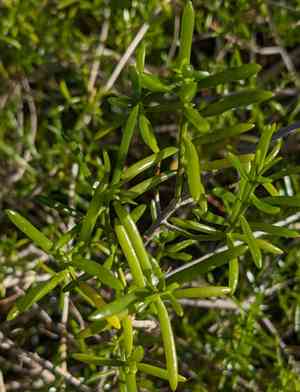
Turtleweed (Batis) (Batis)
Also known as: Beachwort
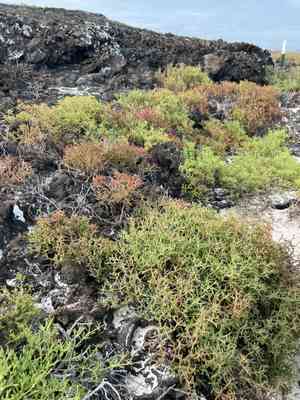
Turtleweed, belonging to a genus of evergreen, flowering shrubs, thrive in the salt marshes along the coasts of America and Australia. These salt-tolerant plants feature fine hairs on their leaves that help retain water, an adaptation crucial for surviving in their saline habitats.
In This Article
Attributes of Turtleweed (Batis)
Lifespan
Perennial
Plant Height
30-60 cm
Spread
Sprawling, can cover a wide area
Leaf Color
Green
Flower Size
Small, around 5 mm
Flower Color
Yellowish-green
Images of Turtleweed (Batis)
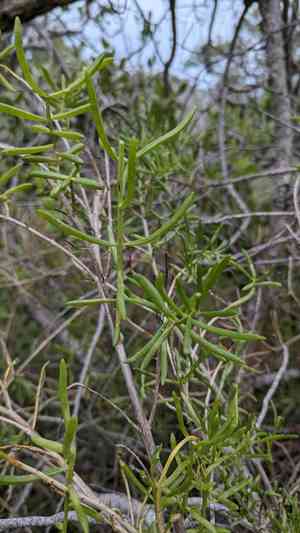
Quickly Identify Turtleweed (Batis)
1
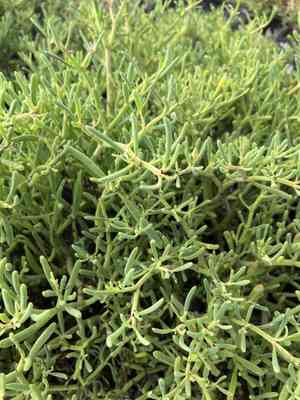
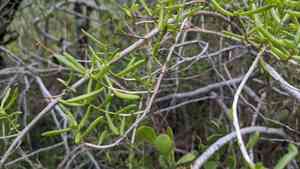
Batis can be identified by its succulent, fleshy leaves which are adapted for salty environments. The plants are generally low-growing with a sprawling habit and produce small, inconspicuous flowers.
Scientific Classification of Turtleweed (Batis)
Phylum
Angiosperms
Class
Magnoliopsida
Order
Brassicales
Family
Bataceae
Genus
Batis
Planting and Growing of Turtleweed (Batis)
Care Difficulty
Moderate
Watering Schedule
Every 2 days
Sunlight Requirements
Partial sun
Sunshine Duration
6-10 hours
Ideal Temperature
68-77℉
Soil Type
Potting Mix, Peat Mix
Soil pH
6-7.5
Fertilizer Type
Balanced
Pruning Season
Spring, Summer
Pruning Area
Branches, Leaves
Pruning Frequency
2 times a year
Repotting Season
Spring
Pot Type
Plastic, Ceramic
 How to Water Turtleweed (Batis)?
Batis plants prefer a thorough soaking when watered, ensuring that the water reaches the deeper layers of the soil. By doing so, you're encouraging the roots to grow deeper, which in turn helps the plant become more resilient to dry spells. Always check the topsoil before watering; it should be dry up to your first knuckle. Aim for an even distribution of about 500ml per watering session, but be adaptable based on the seasonal conditions.
What are the symptoms of an underwatered Turtleweed (Batis)?
›
What should I do if my Turtleweed (Batis) is not getting enough water?
›
What are the symptoms of an overwatered Turtleweed (Batis)?
›
How to save an overwatered Turtleweed (Batis)?
›
 What Are the Sunlight Requirements for Turtleweed (Batis)?
Batis's ideal light range is partial sunlight. It benefits from filtered light that promotes healthy foliage and growth continuity by balancing light exposure.
What is the best lighting setup for Batis?
›
How can I provide the ideal light conditions for Batis indoors?
›
What benefits does Batis gain from ideal lighting?
›
 What Is the Ideal Temperature Range for Turtleweed (Batis)?
What is the ideal temperature range for growing Batis? The ideal temperature range for growing Batis is between 68 to 77 °F. These temperatures mimic the plant's native habitat conditions, promoting optimal growth and health.
 What Soil is Best for Turtleweed (Batis)?
Although Batis is tolerant of sandy environments, it benefits from soil that can retain some moisture. This balance ensures the plant has access to water during dry spells, which supports its growth and resilience in arid conditions. For optimal development, Batis prefers soil rich in organic matter. Loamy soils can supply essential nutrients and support robust growth, enhancing the plant's flowering and overall vigor. Well-draining soil is crucial for Batis, as it prevents waterlogging that can lead to root rot. Sandy and loamy soils ensure effective drainage, promoting healthy root systems and preventing disease.
 How to Fertilize Turtleweed (Batis)?
For Batis, it is important to apply fertilizers cautiously. A general recommendation is to provide 0.25 to 0.5 ounces of balanced fertilizer per square foot. Too much fertilizer can damage the plants, leading to nutrient burn, while too little will result in stunted growth.
 How to Prune Turtleweed (Batis)?
Prune Batis in the early months of Spring or in Summer and early Autumn to take advantage of active growth periods. This timing helps the plant recover quickly and produce robust new growth. Begin by cutting back any overgrown branches to the main stem. Next, remove any crossing branches that impede airflow and light penetration. Finish by trimming around the periphery to maintain your desired shape, ensuring all cuts are clean and angled slightly to prevent water accumulation on the cut surface. After pruning, water the plant thoroughly and consider applying a balanced fertilizer to support new growth. Monitor the plant closely for signs of stress, such as wilting or discoloration, and adjust care as needed.
 How to Propagate Turtleweed (Batis) plant?
1
Soak Batis seeds in lukewarm water for 24 hours to soften seed coats and enhance germination rates. Drain and sow seeds onto a seed mix, lightly covering them with soil.
2
Select healthy, disease-free stems from the Batis plant. Using sharp shears, make a clean cut just below a node, ideally with a length of 4-6 inches.
3
Dip the cut end of the stem in rooting hormone powder to promote root development. Plant the cutting in moist, well-draining potting mix, ensuring that the first set of leaves is above the soil level.
 How to Repot Turtleweed (Batis) plant?
1
Batis plants show signs of needing a new pot when their roots begin to circle tightly within the current pot or protrude from the drainage holes. Additional indicators include slow growth and compacted soil, which make it the perfect time to refresh their growing environment, typically during spring or autumn for less stress.
2
Select a pot that is slightly larger than the current one, with sufficient drainage holes. The new pot should provide room for growth without overwhelming the plant. A well-chosen pot optimizes water flow, preventing root rot and ensuring a healthy root environment.
3
Opt for a sandy, well-draining soil mix, as Batis thrives in such conditions. The right soil formulation helps maintain balance, preventing excess moisture and allowing necessary air exchange for root health, which in turn supports the plant's robust growth.

