Summer cypress(Bassia scoparia)

Summer cypress (Bassia scoparia)

Also known as: Mexican fireweed, Mock-cypress, Belvedere, Mexican fire bush

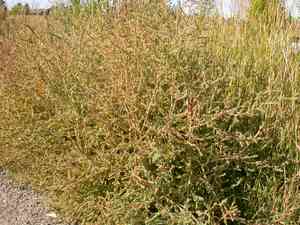
Summer cypress (Bassia scoparia) belongs to the amaranth family, which also includes plants like quinoa and beets. Native to Europe and Asia, this annual plant flourishes in full sunlight and prefers well-drained soil, although it can tolerate poor and dry conditions. It is particularly noted for its striking transformation in the fall, when the foliage turns a vibrant red. This drought-resistant plant is typically planted in the spring and grows rapidly throughout the summer.

Attributes of Summer cypress

Lifespan
Annual
Plant Type
Herb
Plant Height
30 cm to 1.8 m
Spread
30 cm to 45 cm
Leaf Color
Green Red
Flower Size
2.5 cm
Flower Color
Green

PlantJoy - Identify plants with a snap

Identify and diagnose plants, get toxicity alerts, and explore safety guides for all types of fungi.

Try for Free

Images of Summer cypress

Summer cypress(Bassia scoparia)

Quickly Identify Summer cypress

1
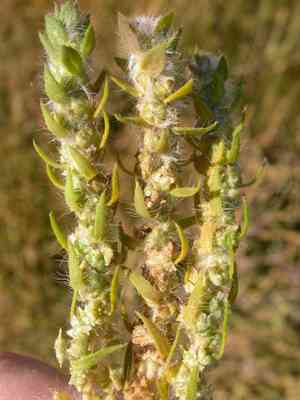
Upright growth reaching 1-3 feet (30-90 cm) with feathery and sprawling appearance.
2
Inconspicuous green flowers blending with lanceolate leaves in late summer to fall.
3
Dry seed in ovary shell with five membranous wings, maturing from green to brown.
4
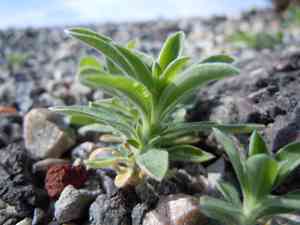
Light green, narrow, feathery leaves with prominent veins and red fall coloration.
5
Finely ribbed stem varying from green to red, erect, with sparse hairiness.

Scientific Classification of Summer cypress

Phylum
Vascular plants
Class
Dicotyledons
Order
Pinks, cacti, and allies
Family
Amaranth
Genus
Smotherweeds
Species
Summer cypress

Planting and Growing of Summer cypress

Care Difficulty
Easy
Watering Schedule
Every 2 days
Sunlight Requirements
Full sun
Sunshine Duration
6-10 hours
Ideal Temperature
65-77℉
Soil Type
Potting Mix, Peat Mix
Soil pH
6.5-7.5
Fertilizer Type
Balanced
Pruning Season
Spring, Summer
Pruning Area
Branches, Leaves
Pruning Frequency
2 times a year
Repotting Season
Spring
Pot Type
Plastic, Ceramic

water icon How to Water Summer cypress?

For Bassia scoparia, you'll want to water thoroughly but infrequently. The plant thrives on a deep and consistent watering schedule that allows the soil to dry out between sessions. Aim for about 500 ml per watering session to ensure moisture reaches the deeper roots while avoiding waterlogging.
What are the symptoms of an underwatered Summer cypress?
What should I do if my Summer cypress is not getting enough water?
What are the symptoms of an overwatered Summer cypress?
How to save an overwatered Summer cypress?
More About Watering Techniques

sunlight icon What Are the Sunlight Requirements for Summer cypress?

Sunlight Requirements: Full sun, Partial sun
Duration of light: 6-8 hours of sunlight
Bassia scoparia thrives in full sun or partial sun, benefiting from 6-8 hours of light daily. Ideal light conditions promote balanced photosynthesis, leading to healthy, vigorous growth and enhanced pest resistance.
What is the best light condition for Bassia scoparia?
How can I enhance light exposure for Bassia scoparia?
Why is achieving the ideal lighting important for Bassia scoparia?
More About Sunlight Requirements Techniques

temperature icon What Is the Ideal Temperature Range for Summer cypress?

Ideal Temperature: 65 ~ 77℉
The ideal temperature range for Bassia scoparia cultivation is between 65°F and 77°F. This range provides a conducive environment for optimal growth and development, ensuring adequate enzymatic and physiological processes. High temperatures beyond this range could lead to stress while too low a temperature can impede metabolic activities.

soil icon What Soil is Best for Summer cypress?

Soil type: Sandy loam, Loam
Soil PH: 6.5 ~ 7.5
Bassia scoparia thrives in well-drained soil that prevents waterlogging, which can cause root rot. Proper drainage ensures healthy root development and robust overall plant growth. This plant prefers soil with moderate nutrient content, offering essential elements without overwhelming the roots. Balanced nutrients support strong stem and leaf development. Maintaining consistent soil moisture is crucial for Bassia scoparia. While it can tolerate drought, consistent moisture supports optimal plant health and vigor, leading to lush foliage. More About Soil

fertilize icon How to Fertilize Summer cypress?

Fertilizer type: Balanced
When fertilizing Bassia scoparia, use a balanced fertilizer diluted to half-strength. You'll want to apply approximately 0.5 to 1 ounce per gallon of water for liquid feed or follow the package instructions for granular types. Be cautious not to overuse, as this plant is not a heavy feeder. More About Fertilizing Techniques

prune icon How to Prune Summer cypress?

Pruning Time: Spring, Summer, Autumn
Begin by examining your Bassia scoparia for any dead, diseased, or damaged branches. Use clean, sharp pruning shears to cut these back to healthy tissue to prevent the spread of disease and improve overall plant health. Prune your Bassia scoparia to maintain its desired shape and size, whether rounded or more tailored. Target excessively long or unruly stems and cut them back to a leaf node or lateral branch to encourage a fuller shape. Selectively thin the plant's interior to enhance airflow and light penetration. This reduces the risk of fungal diseases and promotes healthy growth throughout the plant by preventing excess moisture retention. More About Pruning Techniques

propagate icon How to Propagate Summer cypress plant?

Propagate Time: Spring,Early spring
1
Select healthy and viable Bassia scoparia seeds. Soak them in water for 24 hours to soften the seed coat and promote faster germination.
2
Fill seedling trays with a well-draining potting mix. Sow the seeds approximately 1/4 inch deep, covering them lightly with soil.
3
Gently water the seeds, ensuring the soil is moist but not waterlogged. Place the trays in a brightly lit area, preferably with direct sunlight.
More About Propagating Techniques

repot icon How to Repot Summer cypress plant?

Repotting frequency: Every one to two years
1
Repotting Bassia scoparia is essential when roots start circling the bottom of the pot or protrude from drainage holes. Signs of stunted growth or rapid drying soil are indicators to consider repotting. Ideally, repot during the growing season in spring or autumn when the plant can easily adjust to new soil.
2
Select a pot that is one to two inches larger in diameter than the current pot to give roots ample space to grow. Choose containers with good drainage holes to prevent waterlogging, which can lead to root rot. Lightweight, breathable materials like terracotta can enhance aeration, promoting healthier root development.
3
Opt for a well-draining potting mix to provide adequate aeration and drainage, crucial for preventing root diseases. A mix containing sandy soils or perlite can aid in keeping a light texture, which benefits the plant's overall health by balancing moisture retention and excess water drainage.

PlantJoy - Identify plants with a snap

Find the best spots for them to optimize their health, simply using your phone.

Try for Free

Toxicity of Summer cypress

Is Summer cypress toxic to cat?

The summer cypress plant is recognized as toxic to cats. In home settings, cats may inadvertently consume various parts of this plant, specifically its sap or juice, which are known to be harmful. Following ingestion, feline companions might display a range of symptoms that signify physical distress or illness. Although the exact toxic compounds found in summer cypress are not identified, it is clear that this botanical species can lead to negative health effects in cats. Therefore, it is essential for cat owners to remain alert and keep their pets away from summer cypress. Should there be any suspicion of poisoning, it is vital to seek prompt veterinary assistance to safeguard the wellbeing of the impacted cat.

Is Summer cypress toxic to dog?

Summer cypress is recognized as toxic to dogs. If canines ingest this plant accidentally, they may suffer from poisoning. The main concern stems from its sap or juice, which harbors harmful substances that can cause toxicity in dogs. Following ingestion, a dog may display a range of symptoms indicative of poisoning, which can include gastrointestinal distress, vomiting, diarrhea, lethargy, and more severe manifestations depending on the quantity consumed. It is essential for dog owners to vigilantly supervise their pets and restrict access to summer cypress. Should poisoning be suspected, prompt veterinary attention is vital to safeguard the health and safety of the affected animal.

Identify toxic plants for your safety

Learn which plants are harmful to you and your pets, and make informed choices for a safer home!

Try for Free
WARNING
The judgment on toxicity and danger is for reference only. We DO NOT GUARANTEE any accuracy of such judgment. Therefore, you SHALL NOT rely on such judgment. It is IMPORTANT TO SEEK PROFESSIONAL ADVICE in advance when necessary.
More About Toxic Techniques