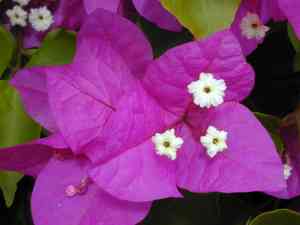
Basella (Basella) (Basella)
Also known as: Malabar Spinach, Indian Spinach, Ceylon Spinach, Vine Spinach
Basella is a small genus of tropical flowering vines, with most species native to Africa and Madagascar. Basella alba, also known as Malabar spinach, stands out as the primary species cultivated for its nutritional benefits. It is a rich source of vitamins A and C, iron, calcium, and protein. Historically, the red-stemmed varieties were also utilized for dye production.
In This Article
Attributes of Basella (Basella)
Lifespan
Perennial
Plant Height
Up to 10 feet (3 meters)
Spread
Varies, often sprawling
Leaf Color
Green, sometimes with purplish stems
Flower Size
About 0.1 to 0.2 centimeters
Flower Color
White to pale pink
Images of Basella (Basella)
Quickly Identify Basella (Basella)
1
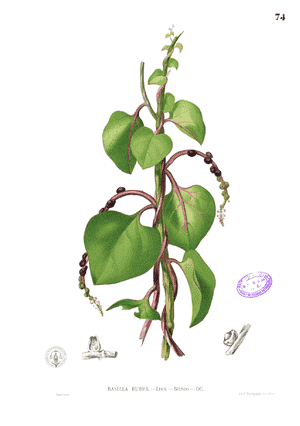
Basella can be identified by its thick, fleshy, heart-shaped leaves and dark green to reddish-purple vines. The plant produces small white to pink flowers that are followed by deep purple to black berries.
Scientific Classification of Basella (Basella)
Phylum
Tracheophyta
Class
Magnoliopsida
Order
Caryophyllales
Family
Basellaceae
Genus
Basella
Planting and Growing of Basella (Basella)
Care Difficulty
Easy
Watering Schedule
Every 8 days
Sunlight Requirements
Full sun
Sunshine Duration
4-8 hours
Ideal Temperature
68-86℉
Soil Type
Potting Mix, Peat Mix
Soil pH
6.5-7.5
Fertilizer Type
Balanced
Pruning Season
Spring, Summer
Pruning Area
Branches, Leaves
Pruning Frequency
2 times a year
Repotting Season
Spring
Pot Type
Plastic, Ceramic
 How to Water Basella (Basella)?
Basella plants enjoy regular but moderate watering. The key is to keep the soil consistently moist but never waterlogged. Aim to thoroughly soak the soil until water just begins to drain from the bottom of the pot, ensuring all roots receive moisture.
What are the symptoms of an underwatered Basella (Basella)?
›
What should I do if my Basella (Basella) is not getting enough water?
›
What are the symptoms of an overwatered Basella (Basella)?
›
How to save an overwatered Basella (Basella)?
›
 What Are the Sunlight Requirements for Basella (Basella)?
Basella thrives best in full sun to partial sun environments. Optimal light exposure enhances photosynthesis, promoting healthy foliage and greater leaf production.
What is the best lighting condition for Basella?
›
How can you achieve ideal lighting for Basella?
›
What are the benefits of providing ideal lighting?
›
 What Is the Ideal Temperature Range for Basella (Basella)?
Basella grows optimally between 68°F and 86°F because these temperatures mimic its native tropical climate, ensuring optimal photosynthesis and growth. At this range, the plant's enzymatic and metabolic processes operate efficiently, supporting robust development and leaf production. Such conditions also provide a favorable environment that reduces stress and prevents disease manifestation associated with temperature extremes.
 What Soil is Best for Basella (Basella)?
Basella thrives in well-drained soil, which prevents waterlogging that can lead to root rot. The well-drained nature allows air to reach the roots, enhancing nutrient uptake and plant health. Providing a nutrient-rich soil boosts Basella's growth rate and leaf production. The essential nutrients like nitrogen and phosphorous support lush, green foliage and overall plant vigor. Soil that retains moderate moisture helps maintain consistent hydration for Basella, ensuring it doesn't dry out too quickly. This balance is key to sustaining healthy, robust plants.
 How to Fertilize Basella (Basella)?
For Basella, using liquid fertilizer, dilute it to half the recommended strength and apply about 500 ml per mature plant. Solid fertilizers should be used sparingly, approximately 50 grams per plant annually, spread evenly.
 How to Prune Basella (Basella)?
Start by identifying any stems that are dead, diseased, or damaged. These are priorities for removal, as they can take up resources that the healthier parts of the plant need. When pruning the stems, make your cuts just above a leaf node. This encourages new growth from the node, leading to a fuller and healthier plant.
 How to Propagate Basella (Basella) plant?
1
Harvest seeds from mature Basella berries when they have turned dark purple. Clean out the pulp and let them dry completely before sowing to improve the chances of successful germination.
2
Choose a healthy stem of Basella, approximately 4-6 inches long, with at least a couple of leaves. Remove the lower leaves, leaving some leaves at the top to promote photosynthesis.
3
Plant seeds or cuttings in a mixture of potting soil and compost, ensuring the base is buried sufficiently deep to stabilize the plant and facilitate root growth. Water lightly after planting.
 How to Repot Basella (Basella) plant?
1
Knowing when to repot your Basella is crucial. If you notice the plant becoming root-bound—with roots visibly circling the pot or emerging from drainage holes—it's time. Additionally, slow growth and yellowing leaves may signal the need for more space.
2
Select a pot that is one size larger than the current one, ensuring it has adequate drainage holes. A terracotta pot can be beneficial as it allows for better air circulation and moisture management, which helps prevent root rot.
3
Opt for a potting soil that offers good drainage and is rich in organic matter. A mixture of compost, perlite, and peat moss provides the necessary aeration and nutrients, ensuring optimal growth and preventing waterlogging.

