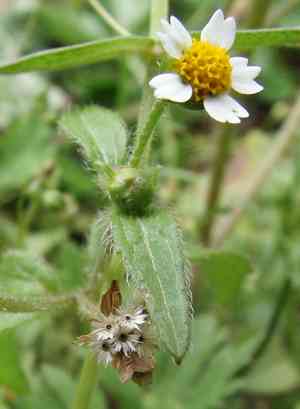
Bartlettia (Bartlettia) (Bartlettia)
Also known as: Bartlettia, Daisy Tree
Bartlettia is a genus of flowering plants in the family Asteraceae. They are known for their bright and attractive flowers, which are typically found in shades of yellow or orange. These plants are often cultivated for ornamental purposes in gardens and landscapes.
In This Article
Attributes of Bartlettia (Bartlettia)
Lifespan
Perennial
Plant Height
1 to 2 meters (3 to 6.5 feet)
Spread
Varies by species, typically around 1 meter (3 feet)
Leaf Color
Green
Flower Size
3 to 5 cm (1 to 2 inches)
Flower Color
Yellow, Orange
Images of Bartlettia (Bartlettia)
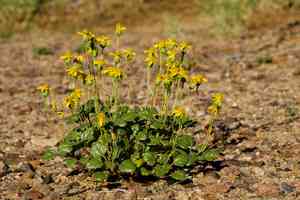
Quickly Identify Bartlettia (Bartlettia)
1
Look for yellow or orange composite flowers with a daisy-like appearance. The leaves are often green and may vary in shape depending on the species.
Scientific Classification of Bartlettia (Bartlettia)
Phylum
Magnoliophyta
Class
Magnoliopsida
Order
Asterales
Family
Asteraceae
Genus
Bartlettia
Planting and Growing of Bartlettia (Bartlettia)
Care Difficulty
Hard
Watering Schedule
Every 2 days
Sunlight Requirements
Partial sun
Sunshine Duration
4-8 hours
Ideal Temperature
65-75℉
Soil Type
Potting Mix, Peat Mix
Soil pH
6.5-7.5
Fertilizer Type
Balanced
Pruning Season
Spring, Summer
Pruning Area
Branches, Leaves
Pruning Frequency
2 times a year
Repotting Season
Spring
Pot Type
Plastic, Ceramic
 How to Water Bartlettia (Bartlettia)?
For Bartlettia, ensure the soil is evenly moist but not waterlogged. Use approximately 250ml per watering session, allowing the top inch of soil to dry out between waterings. This helps provide the right amount of moisture for its roots without causing root rot.
What are the symptoms of an underwatered Bartlettia (Bartlettia)?
›
What should I do if my Bartlettia (Bartlettia) is not getting enough water?
›
What are the symptoms of an overwatered Bartlettia (Bartlettia)?
›
How to save an overwatered Bartlettia (Bartlettia)?
›
 What Are the Sunlight Requirements for Bartlettia (Bartlettia)?
Bartlettia prefers partial sunlight, flourishing in an area receiving early day light. This light range is crucial because it ensures robust growth, prevents stress, and supports photosynthesis.
What is Bartlettia's preferred sunlight exposure?
›
How can you achieve the ideal light conditions for Bartlettia?
›
What happens if Bartlettia receives the ideal light conditions?
›
 What Is the Ideal Temperature Range for Bartlettia (Bartlettia)?
Bartlettia thrives best within a temperature range of 65°F to 75°F. This range supports optimal photosynthesis and healthy growth. Maintaining these temperatures ensures that the plant’s cellular functions occur without stress, promoting vibrant foliage and robust flowering. This range mimics the plant's native environment, balancing warmth with adequate moisture availability.
 What Soil is Best for Bartlettia (Bartlettia)?
Bartlettia thrives in soil that drains well, preventing water from pooling around the roots. This helps prevent root rot, ensuring that the plant can uptake nutrients effectively and grow healthily. A nutrient-rich soil provides Bartlettia with essential minerals and nutrients for optimal growth. Fertile soil encourages robust foliage and vibrant blooms, maximizing its ornamental appeal. Bartlettia prefers soil that retains moderate moisture, avoiding extreme drought or excessive wetness. Balanced moisture levels foster healthy root development and consistent growth.
 How to Fertilize Bartlettia (Bartlettia)?
For Bartlettia, apply fertilizers modestly, using a balanced mix containing equal parts nitrogen, phosphorus, and potassium. Apply approximately 10 grams per plant, ensuring even distribution in the soil for optimal growth. This approach helps prevent nutrient burn and guarantees a steady supply of nourishment.
 How to Prune Bartlettia (Bartlettia)?
Always inspect for signs of pests or diseases, as damaged areas can be entry points. Clean tools before and after use to prevent spreading. After pruning, observe the plant's response. Pruning is an ongoing process, and learning how the plant reacts will guide future cuts. Try not to prune during freezing temperatures or extreme heat to avoid additional stress. Choose mild days for pruning activities.
 How to Propagate Bartlettia (Bartlettia) plant?
1
Collect mature seeds from the plant and clean off any pulp. Soak them in water for 24 hours to enhance germination, then plant them shallowly in a seed-starting mix.
2
Choose green, non-flowering stems and cut them with sterilized pruning shears. Dip the cut end in rooting hormone to promote root development and place them in a well-aerated medium.
3
Carefully dig up a mature plant and use a sharp spade to separate its root clumps. Ensure each division has roots and shoots before planting them in separate pots or ground.
 How to Repot Bartlettia (Bartlettia) plant?
1
Bartlettia should be repotted when you notice roots growing through the drainage holes or the plant appears top-heavy. The best time is early spring when new growth begins, providing ample time for the plant to adjust and thrive in its new environment.
2
Select a pot 2-3 inches larger in diameter than the current one with good drainage. This ensures enough space for root growth, minimizing the risk of root-bound issues and promoting healthier overall plant development.
3
Opt for a well-draining potting mix rich in organic matter. Such a mix provides optimal aeration and moisture retention, ensuring Bartlettia's roots remain healthy and free from rot, while supplying essential nutrients for growth.
Learn More About Bartlettia (Bartlettia) Diseases
Anthracnose
Bacterial Leaf Spot
Bacterial Soft Rot
Bacterial Wilt
Black Spot
Chemical Injury
Crown Gall
Cyst Nematode
Damping-off
Downy Mildew
Drought Stress
Fusarium Wilt
Gray Mold
Leaf Curl
Leaf Spot
Mosaic
Nutrient Deficiency
Nutrient Toxicity
Powdery Mildew
Root Rot
Root-knot Nematode
Rusts
Sooty Mold
Spider Mites
Temperature Stress
Thrips Damage
White Mold

