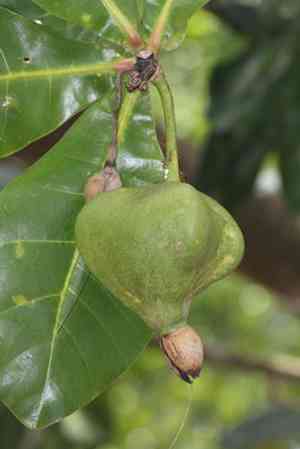
Sea poison tree (Barringtonia asiatica)
Also known as: Fish poison tree
The **Barringtonia asiatica**, also known as the sea poison tree, is an ornamental tree native to the mangroves of the Indian Ocean. It produces distinctive box-shaped fruit that can float on ocean currents. Every part of this tree is toxic.
In This Article
Attributes of Sea poison tree
Lifespan
Perennial
Plant Type
Tree
Plant Height
6 m to 20 m
Spread
6 m to 8 m
Leaf Color
Green
Flower Size
13 cm to 15 cm
Flower Color
White Pink Red
Images of Sea poison tree
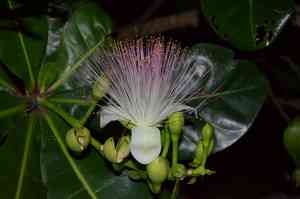
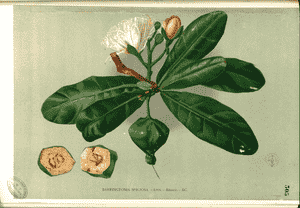
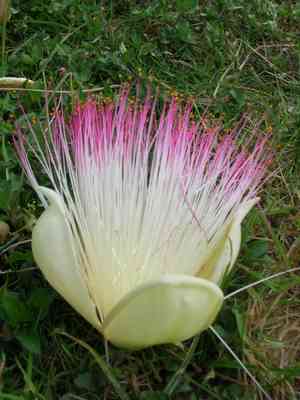
Quickly Identify Sea poison tree
1
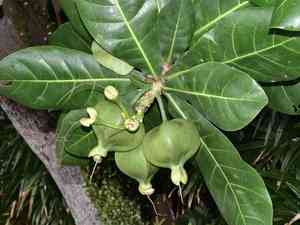
Look for a medium to tall tree with large leaves that are shiny and glossy. The flowers are large and white with long, pink-tipped stamens, typically blooming at night. The fruits are large, quadrangular and green to brown when ripe.
Scientific Classification of Sea poison tree
Phylum
Vascular plants
Class
Dicotyledons
Order
Ericales
Family
Brazil-nut
Genus
Barringtonia
Species
Sea poison tree
Planting and Growing of Sea poison tree
Care Difficulty
Hard
Watering Schedule
Every 2 days
Sunlight Requirements
Full sun
Sunshine Duration
8-12 hours
Ideal Temperature
75-85℉
Soil Type
Potting Mix, Peat Mix
Soil pH
6.5-7.5
Fertilizer Type
Balanced
Pruning Season
Spring, Summer
Pruning Area
Branches, Leaves
Pruning Frequency
2 times a year
Repotting Season
Spring
Pot Type
Plastic, Ceramic
 How to Water Sea poison tree?
For Barringtonia asiatica, ensure that each watering session thoroughly moistens the soil. The goal is to allow water to reach the roots, typically requiring around 500 milliliters per session. This helps maintain consistent moisture levels without waterlogging, which the plant dislikes.
What are the symptoms of an underwatered Sea poison tree?
›
What should I do if my Sea poison tree is not getting enough water?
›
What are the symptoms of an overwatered Sea poison tree?
›
How to save an overwatered Sea poison tree?
›
 What Are the Sunlight Requirements for Sea poison tree?
Barringtonia asiatica thrives in partial to full sunlight, ideally receiving 4 to 8 hours daily. This light range promotes optimal photosynthesis, aiding in lush foliage development and facilitating regular blooming cycles, thereby enhancing its ornamental quality.
More About Sunlight Requirements Techniques→
What is the best location for Barringtonia asiatica?
›
How do you ensure proper light during overcast weather?
›
Is afternoon sun suitable for Barringtonia asiatica?
›
 What Is the Ideal Temperature Range for Sea poison tree?
The ideal temperature range for Barringtonia asiatica is between 75°F and 85°F. This range provides optimal conditions for growth as it mimics the plant's natural subtropical habitat where warmth and humidity are prevalent. Maintaining this temperature range ensures healthy foliage and robust root systems.
 What Soil is Best for Sea poison tree?
Barringtonia asiatica thrives in soil with excellent drainage. Proper drainage prevents waterlogging, which can lead to root rot, ensuring the plant remains healthy and vibrant. This species benefits from a nutrient-rich substrate, as it supports robust growth and vibrant foliage. Organic matter, such as compost, can be added to enhance soil fertility. While drainage is crucial, the soil should retain enough moisture to support the plant's needs, allowing it to absorb essential nutrients efficiently without drought stress.
 How to Fertilize Sea poison tree?
For Barringtonia asiatica, use a balanced 10-10-10 liquid fertilizer at a concentration of 1 teaspoon per gallon of water. For slow-release granules, 0.5 pounds per square meter spread evenly on the soil. Adjust based on plant response.
 How to Prune Sea poison tree?
Begin by assessing the overall structure of the Barringtonia asiatica. Look for any dead or diseased branches that need to be removed. Start with the outer branches and gradually move into the center to maintain a balanced shape and promote airflow. Using sharp pruning shears, make clean cuts at a 45-degree angle, which helps water run off and prevents disease. Cut branches back to a node or lateral branch to encourage healthy regrowth. Make sure to disinfect your tools between cuts if you suspect any branches are diseased. Shape the plant by cutting back overgrown branches. This not only controls the size of the plant but also promotes a bushier appearance. Thin out the internal branches to increase light penetration and airflow, reducing fungal issues.
More About Pruning Techniques→
 How to Propagate Sea poison tree plant?
1
Collect ripe Barringtonia asiatica seeds from mature fruits, ensuring they are free from any rotting or damage that may hinder germination.
2
Use a well-drained potting mix. Ensure the soil is enriched with organic matter for the seeds to access adequate nutrients as they sprout.
3
Place the seeds on top of the soil in the seed trays, lightly covering them with a thin layer of soil to allow exposure to light while maintaining moisture.
 How to Repot Sea poison tree plant?
1
The ideal time to repot Barringtonia asiatica is when you notice roots starting to emerge from drainage holes, indicating that the plant is root-bound. Another signal is slowed growth, even during its active seasons. Repotting during spring or early summer ensures the plant has ample time to recover and establish itself in its new container before the dormant season.
2
Selecting the right pot is crucial for the health of Barringtonia asiatica. Opt for a container that is one size larger than the current one, providing enough room for the roots to grow without overwhelming the plant. The pot should have good drainage holes to prevent waterlogging, which is vital as Barringtonia asiatica prefers a well-aerated root zone.
3
Choosing the right soil mix is essential for Barringtonia asiatica, which thrives in a well-draining sandy mix. This type of soil prevents water retention and encourages aeration around the roots, reducing the risk of root rot. A balanced soil mixture supports healthy growth by mimicking the natural coastal conditions this plant originates from.
Toxicity
Ingestion of seeds, bark, leaves or contact with sap
WARNING
The judgment on toxicity and danger is for reference only. We DO NOT GUARANTEE any accuracy of such judgment. Therefore, you SHALL NOT rely on such judgment. It is IMPORTANT TO SEEK PROFESSIONAL ADVICE in advance when necessary.
Learn More About Sea poison tree Diseases
Anthracnose
Bacterial Leaf Spot
Bacterial Soft Rot
Bacterial Wilt
Crown Gall
Damping-off
Downy Mildew
Drought Stress
Fusarium Wilt
Gray Mold
Leaf Spot
Mosaic
Nutrient Deficiency
Nutrient Toxicity
Powdery Mildew
Root Rot
Root-knot Nematode
Rusts
Sooty Mold
Spider Mites
Temperature Stress
Thrips Damage
White Mold



