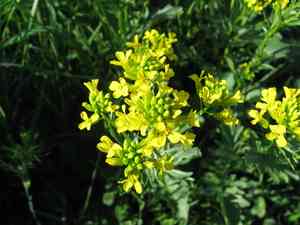
Yellow rocket (Barbarea vulgaris)
Also known as: Winter cress, yellow rocket
Yellow rocket, a biennial herb native to Europe, derives its name "Barbarea" from Saint Barbara, the patron saint of artillerymen and miners. This association likely stems from the plant's historical use in treating wounds common in those professions. The leaves of Barbarea are edible, both raw and cooked, and the plant is naturally resistant to various insects.
Attributes of Yellow rocket
Images of Yellow rocket
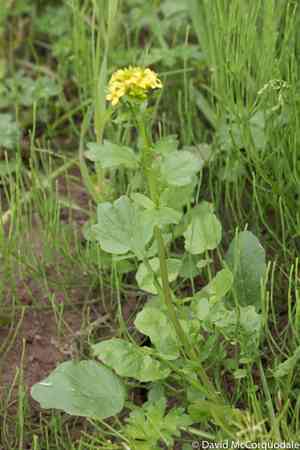
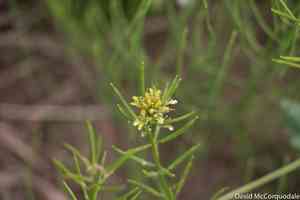
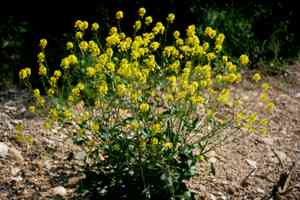
Quickly Identify Yellow rocket
Scientific Classification of Yellow rocket
Planting and Growing of Yellow rocket
 How to Water Yellow rocket?
 What Are the Sunlight Requirements for Yellow rocket?
 What Is the Ideal Temperature Range for Yellow rocket?
 What Soil is Best for Yellow rocket?
 How to Fertilize Yellow rocket?
 How to Prune Yellow rocket?
 How to Propagate Yellow rocket plant?
 How to Repot Yellow rocket plant?
Toxicity of Yellow rocket
Is Yellow rocket toxic to humans?
Yellow rocket is considered potentially harmful to humans if consumed in large quantities. Some studies indicate that the leaves of yellow rocket, alongside other members of the Barbarea genus, could lead to kidney damage if ingested in excessive amounts. However, due to the lack of substantial evidence, there is limited information regarding the common symptoms or the severity of poisoning. Therefore, it is advisable to refrain from consuming this plant as a precautionary measure.
Is Yellow rocket toxic to cat?
Yellow rocket is recognized as a toxic species for felines. If cats happen to ingest any part of yellow rocket, it may result in physical distress or sickness. Signs of toxicity in a cat that has consumed yellow rocket can appear and require urgent care. Cat owners should be vigilant for any alterations in their pet's condition if exposure is thought to have occurred, and they should quickly consult a veterinarian to guarantee their pet receives the necessary medical intervention.
Is Yellow rocket toxic to dog?
Yellow rocket is recognized as toxic to dogs. Canines might inadvertently consume parts of this plant, resulting in poisoning. Every part of the plant—leaves, stems, flowers, and roots—harbors toxic compounds that can be detrimental to a dog's wellbeing. Signs of poisoning in dogs can manifest as vomiting, diarrhea, excessive salivation, weakness, or more pronounced symptoms like alterations in heart rate or tremors. It is essential for dog owners to remain vigilant and keep their pets away from yellow rocket. Should a dog ingest any section of yellow rocket, it is vital to seek prompt veterinary assistance to ensure the best possible recovery for the affected animal.



