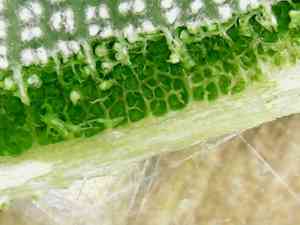
Ashby's banksia (Banksia ashbyi)
Also known as: Ashby's Banksia, Prostrate Banksia
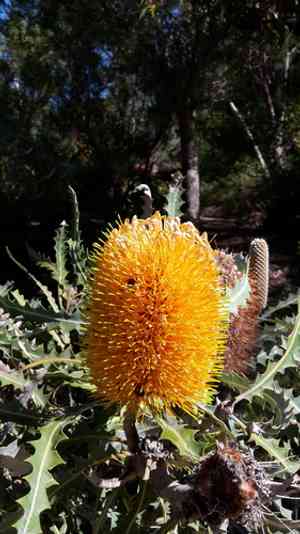
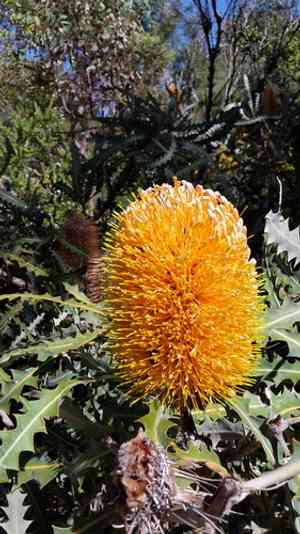
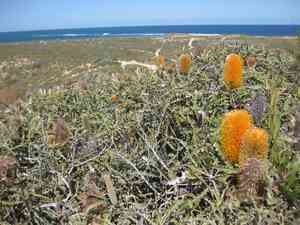
The plant known for its bright orange, bottlebrush-like upright blooms that attract nectar-feeding birds is Ashby's banksia. This species was first discovered and documented by Edwin Ashby, after whom it is named.
In This Article
Attributes of Ashby's banksia
Lifespan
Perennial
Plant Type
Shrub
Plant Height
2-10 meters
Spread
2-5 meters
Leaf Color
Dark green
Flower Size
5-10 cm
Flower Color
Orange
Images of Ashby's banksia
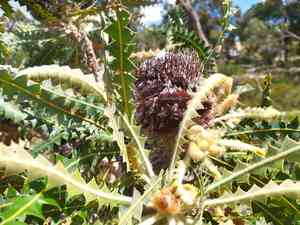
Quickly Identify Ashby's banksia
1
Look for bright orange flower heads that can be up to 10 cm in length, along with deeply serrated, dark green leaves. The plant often grows as a shrub or small tree.
Scientific Classification of Ashby's banksia
Phylum
Vascular plants
Class
Dicotyledons
Order
Proteales
Family
Protea
Genus
Banksia
Species
Ashby's banksia
Planting and Growing of Ashby's banksia
Care Difficulty
Hard
Watering Schedule
Every 2 days
Sunlight Requirements
Full sun
Sunshine Duration
8-12 hours
Ideal Temperature
60-75℉
Soil Type
Potting Mix, Peat Mix
Soil pH
6.5-7.5
Fertilizer Type
Balanced
Pruning Season
Spring, Summer
Pruning Area
Branches, Leaves
Pruning Frequency
2 times a year
Repotting Season
Spring
Pot Type
Plastic, Ceramic
 How to Water Ashby's banksia?
When watering Banksia ashbyi, ensure each session involves around 250ml of water. This allows the soil to absorb moisture without becoming waterlogged. The plant thrives best in well-drained soil, so aim to water until the soil is moist but not soggy.
What are the symptoms of an underwatered Ashby's banksia?
›
What should I do if my Ashby's banksia is not getting enough water?
›
What are the symptoms of an overwatered Ashby's banksia?
›
How to save an overwatered Ashby's banksia?
›
 What Are the Sunlight Requirements for Ashby's banksia?
Banksia ashbyi thrives best with full sunlight, meaning consistent and direct exposure for 6-8 hours daily. This light condition promotes vigorous growth and vibrant flowering.
What is the ideal light condition for Banksia ashbyi?
›
How can I provide the ideal sunlight for Banksia ashbyi?
›
What benefits does Banksia ashbyi gain from ideal sunlight?
›
 What Is the Ideal Temperature Range for Ashby's banksia?
The ideal temperature range for cultivating Banksia ashbyi is between 60°F and 75°F. This range supports optimal growth and development, ensuring the plant can photosynthesize efficiently, take up necessary nutrients, and thrive. Maintaining this temperature range helps the plant avoid stress symptoms and diseases, ensuring vibrant foliage and abundant flowering.
 What Soil is Best for Ashby's banksia?
Banksia ashbyi thrives in well-drained soils to prevent waterlogging, which can lead to root rot. Good drainage enhances root health, fostering robust growth and flower production. This plant prefers soils with low organic matter as it is adapted to sandy soils with poor nutrients, mimicking its natural habitat. Low nutrient soil promotes a more natural growth form. A soil pH between 6.5 and 7.5 is ideal for Banksia ashbyi, ensuring optimal nutrient availability. This range supports healthy foliage and vibrant flower displays.
 How to Fertilize Ashby's banksia?
For Banksia ashbyi, a balanced approach with fertilizer is key. Avoid over-fertilizing by applying only a half-dose of liquid fertilizer, approximately 1 teaspoon per gallon of water. When using slow-release fertilizers, apply only a light sprinkling around the base. Remember, banksias are sensitive to phosphorus, so choose a low-phosphorus fertilizer formulation.
 How to Prune Ashby's banksia?
Begin by evaluating the overall health and shape of your Banksia ashbyi. Identify any dead, diseased, or damaged branches, as these are your priority to remove. This not only improves appearance but also directs the plant's energy towards new, vigorous growth. Start pruning by making clean cuts just above a node or bud facing outward. This outward growth encourages a more open canopy, improving air circulation and light penetration. Remove any crossing branches that could rub and cause damage over time. While pruning, focus on maintaining the natural shape of the Banksia ashbyi. Trim back extra-long branches to keep a balanced profile. Avoid removing more than one-third of the plant at a time to prevent stress.
More About Pruning Techniques→
 How to Propagate Ashby's banksia plant?
1
Fill containers with a sandy and well-draining potting mix, ensuring they are appropriately sized and have good drainage holes.
2
Spread seeds over the surface of the potting mix, cover them lightly with sand, and water gently. Ensure they are in a warm and sunny location to mimic their natural habitat.
3
Select healthy shoots and use sharp shears to take cuttings of about 10-15 cm. Remove lower leaves to reduce moisture loss and dip the cut end in rooting hormone.
 How to Repot Ashby's banksia plant?
1
Banksia ashbyi shows signs of needing repotting when roots start circling the pot's edge or when growth becomes stunted. Spring and autumn are ideal seasons, offering moderate temperatures and less stress for the plant.
2
Select a pot that is one size larger than the current one, with good drainage holes. Ensuring proper drainage prevents root rot and simulates the natural conditions Banksia ashbyi thrives in.
3
Opt for a well-draining, sandy mix to replicate the plant's natural habitat. This type of soil mix promotes healthy root development and minimizes the risk of waterlogged conditions, which can be detrimental.
Learn More About Ashby's banksia Diseases
Anthracnose
Bacterial Leaf Spot
Crown Gall
Cyst Nematode
Damping-off
Downy Mildew
Drought Stress
Fusarium Wilt
Gray Mold
Leaf Spot
Mosaic
Nutrient Deficiency
Nutrient Toxicity
Powdery Mildew
Root Rot
Root-knot Nematode
Rusts
Sooty Mold
Spider Mites
Temperature Stress
Thrips Damage
White Mold
Chemical Injury



